2026 Top Compression Fittings What You Need to Know?
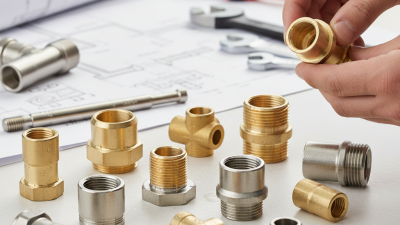
In the world of plumbing and piping, compression fittings play a crucial role. The global market for these fittings is projected to reach $36 billion by 2026, driven by increased construction activity and infrastructure development. An industry expert, John Steele, noted, “The reliability of compression fittings is unmatched, making them essential in numerous applications.”
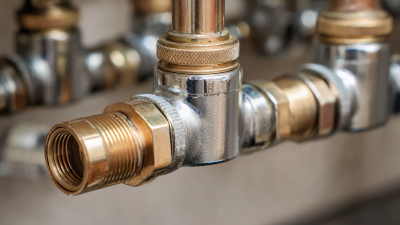
However, the selection and implementation of compression fittings can be complex. Different materials, sizes, and connection types weigh heavily on performance. For instance, brass compression fittings are favored for their corrosion resistance, while plastic fittings are popular in residential systems. Making the right choice means considering not just the immediate requirements but future needs as well.
Despite advancements, common mistakes remain. Many overlook the importance of proper installation. A poorly done fitting can lead to leaks and system inefficiencies. Attention to detail during installation is vital for long-term success. Compression fittings require precision and a careful approach. Emphasizing quality and compatibility can prevent costly mishaps down the line.
Overview of Compression Fittings in 2026
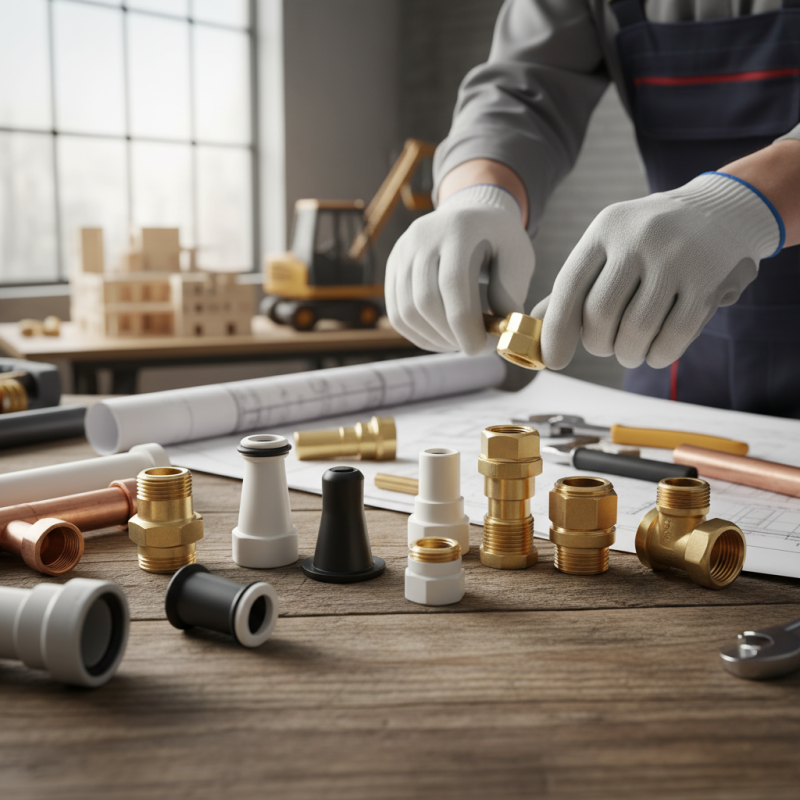
Compression fittings play a crucial role in various plumbing and piping applications. In 2026, these fittings continue to evolve, offering improved reliability and ease of use. They connect pipes securely, preventing leaks that could lead to waste or damage.
One significant aspect is the wide range of materials available. Common options include brass, plastic, and stainless steel. Each material has its advantages and drawbacks, affecting durability and suitability for different environments. For example, plastic fittings are lightweight and resistant to corrosion, but they might not handle high pressure as well as metal fittings.
Tightening these fittings can sometimes cause issues. Over-tightening risks damaging the fitting or the pipe itself. It's important to find the right balance. Users should also consider environmental factors like temperature and humidity, which can affect the fitting's performance. Making informed choices requires research and a good understanding of the application at hand.
Key Materials Used in Compression Fittings
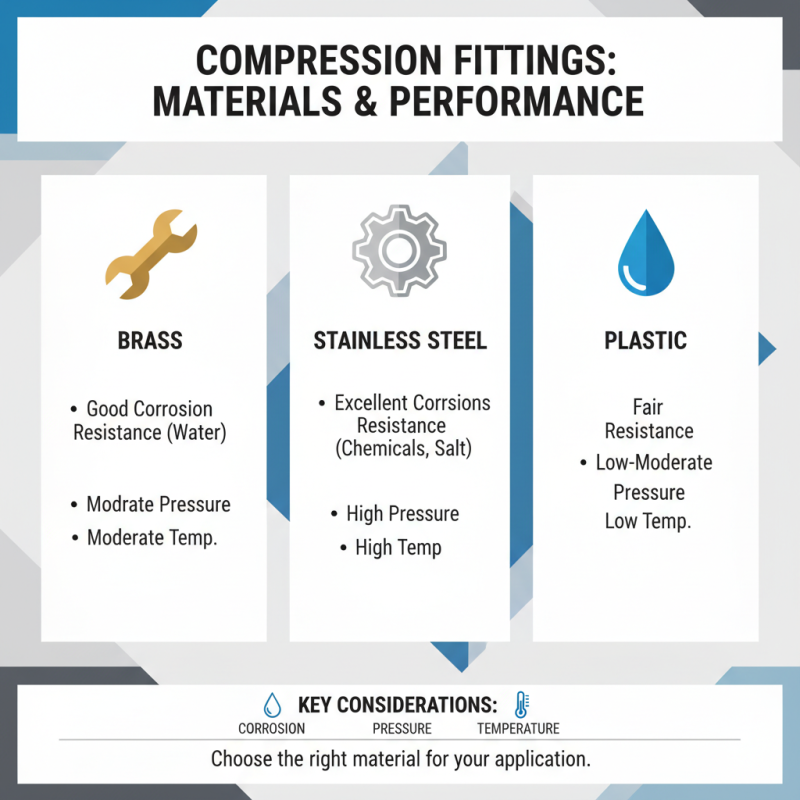
When it comes to compression fittings, materials play a crucial role in performance. Different materials offer unique benefits and limitations. Commonly used materials include brass, stainless steel, and plastic. Each has varying resistance to corrosion, pressure ratings, and temperature thresholds.
Brass is a popular choice due to its strength and durability. It's resistant to corrosion, making it suitable for plumbing and industrial applications. However, brass can be heavy, and some may find it challenging to work with if weight is a concern.
Stainless steel stands out for its exceptional strength and corrosion resistance. It can handle high pressure and extreme temperatures. Nevertheless, it can be more costly compared to other materials. Plastic compression fittings are lightweight and easier to handle. They resist corrosion but may not be suitable for high-pressure applications.
**Tips:** Always consider the specific conditions your fittings will face. Evaluating the working environment helps in making the right choice. Remember, not every material is perfect for every situation. Take time to assess individual needs. This reflection can lead to more effective and durable choices in the long run.
Types of Compression Fittings and Their Applications
Compression fittings are essential in various plumbing and construction applications. They create secure, leak-proof connections for pipes and tubes. There are several types of compression fittings, each serving specific functions.
One common type is the straight compression fitting. This type connects two pipes end-to-end. It's often used in gas and water lines. Another type is the reducing compression fitting. It allows for connections between pipes of different sizes. This is useful in retrofitting projects where existing pipes need modifications.
Compression fittings can be made from different materials like brass and plastic. The choice of material can affect their durability and suitability for certain environments. A few drawbacks exist too. Improper installation may lead to leaks. It’s crucial to double-check each connection. While compression fittings are practical, they also require regular maintenance to ensure optimal function.
2026 Top Compression Fittings: Types and Applications
Installation Best Practices for Compression Fittings
When installing compression fittings, attention to detail is crucial. Proper installation can prevent leaks and ensure the longevity of the connection. According to industry reports, improper fittings can cause up to 30% of pipeline failures. It's easy to overlook small details that lead to significant issues later on.
One common mistake is over-tightening. While ensuring a snug fit is important, over-tightening can damage the fitting or the pipe. A good practice is to follow the manufacturer’s torque specifications. Use a torque wrench to avoid guesswork.
**Tips:** Always inspect the pipe ends for burrs. Deburring helps create a smooth surface for the fitting to seal. It’s also advisable to apply a light film of lubricant to the threads. This will ease the assembly and prevent cross-threading.
Another area often neglected is the alignment of pipes. Misalignment can create stress on connections, leading to potential failure. Ensuring proper alignment will save time and costly repairs in the long run. Regularly review your installation processes to identify areas for improvement. Keep records of issues encountered; reflection can foster better practices.
Maintenance and Troubleshooting Tips for Compression Fittings
Compression fittings are essential components in various piping systems. They offer reliable connections but require proper maintenance. Neglecting regular checks can lead to leaks or system failures. Inspecting fittings regularly is vital. Look for signs of wear, corrosion, or loose connections.
Troubleshooting is also crucial. If you notice leaks, check if the fitting is properly tightened. Over-tightening can cause damage, leading to more problems down the line. Sometimes, replacing the sealing mechanism is necessary. A worn-out seal can lead to continuous leaks and performance issues. Other times, the entire fitting needs replacement.
Keep a close eye on your systems. Document any issues and repairs. This practice helps track potential patterns. Using the right tools during installation can prevent future headaches. Remember, regular maintenance is not just about fixing problems; it’s about preventing them. A well-maintained system works efficiently and lasts longer. Don't overlook the small details.
2026 Top Compression Fittings: What You Need to Know?
| Fitting Type |
Material |
Application |
Pressure Rating (psi) |
Temperature Range (°F) |
Common Issues |
| Straight Connector |
Brass |
Water, HVAC |
150 |
-40 to 200 |
Leakage, corrosion |
| Elbow Fitting |
Stainless Steel |
Oil & Gas |
300 |
-60 to 400 |
Cracking, improper sealing |
| Tee Fitting |
Plastic |
Hydroponics, chemical |
100 |
-20 to 140 |
Brittleness, leaks |
| Cross Fitting |
Copper |
Refrigeration |
250 |
-40 to 300 |
Weak joints, disconnections |