What is a Ball Valve and How Does it Work?
A ball valve is a crucial component in many piping systems. Its design allows for efficient flow control with minimal resistance. The ball, which is located inside the valve, has a hole in the center. This hole can be aligned with the pipe for full flow or turned sideways to block it. The simplicity of this mechanism makes the ball valve popular.
Understanding how a ball valve works can help you appreciate its role in various industries. From water supply to gas systems, it ensures reliability and safety. However, not every application is suited for a ball valve. Designers must consider factors like pressure and temperature.
Proper installation and maintenance are vital to ensure performance. A poorly installed ball valve may lead to leaks or operational failures. It's important to consult professionals to avoid costly mistakes. Awareness and knowledge about ball valves can significantly enhance system efficiency and longevity in any setup.
What is a Ball Valve? Definition and Key Characteristics
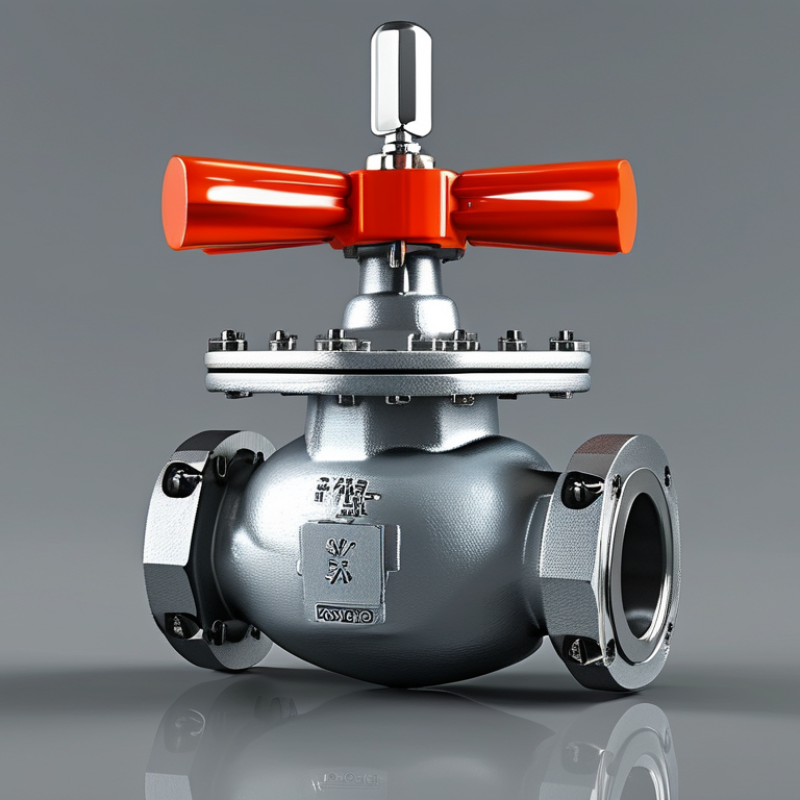
A ball valve is a crucial component in various piping systems. It consists of a hollow, perforated sphere that controls fluid flow. When the ball is turned, it either allows or prevents the passage of the fluid. This design offers quick and efficient operation, making it ideal for many industrial applications.
Key characteristics of a ball valve include durability and reliability. The smooth surface of the ball allows for minimal wear and impressive longevity. These valves can handle high pressure and temperature. They are also available in various materials, providing flexibility for different environmental conditions. However, improper installation can lead to issues. It's vital to ensure that the valve fits correctly and operates as intended.
In terms of expertise, understanding the operating principles is essential. A well-crafted ball valve can save time and resources. Yet, not all ball valves are created equal. Different designs and materials may suit specific applications better. It's important to evaluate the requirements before making a selection. This reflection on usability can improve efficiency and reduce potential frustrations.
The Anatomy of a Ball Valve: Components and Their Functions
A ball valve is a simple yet effective device used in various fluid control systems. Understanding its components is essential. A typical ball valve consists of three main parts: the body, the ball, and the actuator. The body holds the fluid and is typically made from durable materials. This ensures longevity and resistance to corrosion.
The ball is the core element of the valve, featuring a hole through its center. When the ball turns, it either allows or blocks the flow of fluid. The actuator can be manual or automated, providing the means to rotate the ball. This component often incorporates a handle or an electronic interface. Each part plays a crucial role in delivering reliable performance.
Despite their effectiveness, ball valves are not without flaws. Over time, the seals can wear out, leading to leaks. Installers must be cautious during setup; improper alignment may hinder functionality. Regular maintenance checks are necessary to ensure the ball valve operates smoothly. Understanding these elements aids in making informed decisions about fluid control systems.
How Ball Valves Operate: Understanding the Mechanism
Ball valves are essential components in many plumbing and industrial applications. They facilitate the flow of liquids and gases through a system. The core mechanism revolves around a spherical disc known as the ball. This ball has a hole, or port, that aligns with the flow path when open. Thus, when the valve is turned, the ball rotates, either allowing or stopping the flow seamlessly.
Understanding how ball valves work is crucial for effective systems management. These valves provide quick shut-off and excellent sealing capabilities. In many cases, failure to maintain them can lead to leaks or inefficiencies. Inspecting them regularly is key. Attention to detail matters immensely; small particles can disrupt their operation. Always ensure the valve seats are free of debris.
Tips: Regular maintenance can extend the life of ball valves. Look for wear signs. If you notice unusual resistance when turning the handle, it could indicate an issue. Consider consulting with a specialist if problems persist. Even minor issues can escalate if ignored, leading to more significant repairs. Keep systems running efficiently by prioritizing valve care. This proactive approach saves time and costs in the long run.
Applications of Ball Valves in Various Industries and Sectors
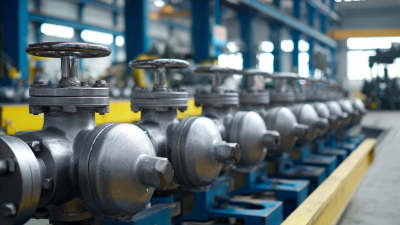
Ball valves are pivotal components in a variety of industries. Their design allows for efficient flow control, making them ideal for different applications. In the oil and gas sector, ball valves manage the flow of liquids and gas, ensuring safe transport. They provide tight sealing and withstand high pressure, which is crucial in this environment.
In water treatment facilities, these valves regulate water flow and pressure. Their durability ensures long-term performance, reducing maintenance needs. The food and beverage industry also relies on ball valves to maintain hygiene and safety standards. These valves are easy to clean and provide a reliable seal to prevent contamination.
However, there are challenges in using ball valves. They can become stuck if not operated regularly, leading to potential operational issues. Understanding the specific requirements of each application is vital. Proper installation and routine checks help mitigate these risks. Knowledge of materials used in manufacturing ball valves can also affect performance, as they must withstand various conditions.
What is a Ball Valve and How Does it Work? - Applications of Ball Valves in Various Industries and Sectors
| Industry |
Application |
Type of Ball Valve |
Key Features |
| Oil and Gas |
Flow regulation and shut-off |
Trunnion Ball Valve |
High pressure, minimal leakage |
| Water Treatment |
Isolation and diversion |
Floating Ball Valve |
Corrosion resistance, durability |
| Chemical Processing |
On/off control of harsh chemicals |
Pneumatic Ball Valve |
Automated operation, safe handling |
| Pharmaceuticals |
Sterile flow control |
Sanitary Ball Valve |
Clean design, easy to sanitize |
| Food and Beverage |
Flavoring and preservatives flow |
Manual Ball Valve |
User-friendly, reliable operation |
Maintenance and Best Practices for Ensuring Ball Valve Longevity
Maintaining a ball valve is crucial for ensuring its longevity and optimal performance. Regular inspections can help catch issues early. Look for signs of leaks or corrosion. If the valve feels stiff, it may need lubrication. Clean the valve’s exterior to prevent buildup that can affect operation.
Best practices include keeping the valve in a suitable environment. Extreme temperatures or exposure to harsh chemicals can damage the valve. Ensure that it operates within its specified pressure limits. This prevents stress that could lead to failure. Consider a routine maintenance schedule to assess the valve’s condition regularly.
Despite these measures, sometimes unanticipated problems arise. Users may overlook small leaks that can escalate. It’s essential not to ignore unusual noises during operation. These could indicate mechanical issues that need attention. Always document maintenance activities to track performance over time. This practice can provide insights into potential patterns affecting the valve's lifespan.