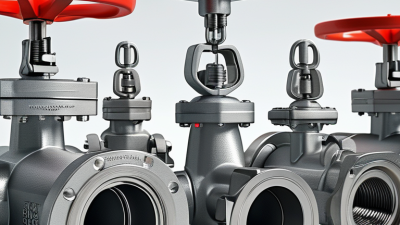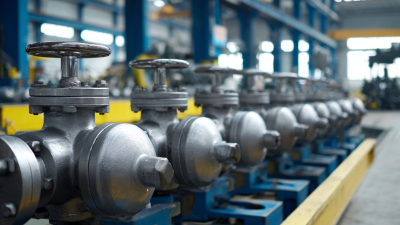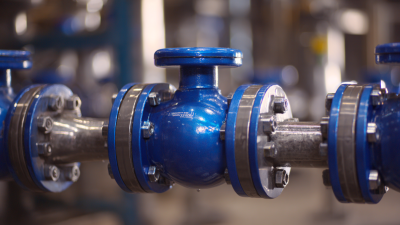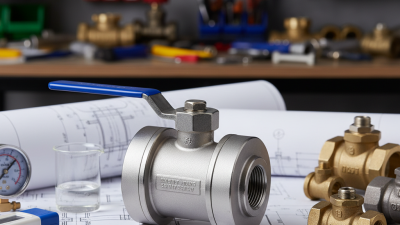
Choosing a Ball Valve in 2026 means looking beyond price and pipe size. Buyers must match valve design to fluid, pressure, temperature, operating frequency, and maintenance needs. A quarter-turn valve may suit quick isolation, while a V-port design can offer more controlled flow. The details matter: a stainless-steel body, soft seat, or trunnion-mounted ball can change performance substantially. Small choices. Real consequences.
Valve-selection author R. W. Zappe provides a useful technical reference for comparing designs. A practical summary of his selection approach is: “Choose the valve for the service, not merely the line size.” This is a paraphrase, not a direct quotation. That distinction matters when buyers rely on published guidance. Product data should also be checked against the actual operating conditions, rather than accepted from a catalog headline.
This guide introduces the top Ball Valve types buyers are likely to consider in 2026, including floating, trunnion-mounted, multi-port, and control designs. It explains where each type fits, what trade-offs deserve attention, and which specifications to verify with suppliers. Think of a hot process line, a gritty slurry, or a cramped installation where actuator clearance is limited. Each calls for different questions. No valve type is best everywhere. Even experienced buyers can overlook one awkward detail, such as seat compatibility or access for maintenance. A careful comparison helps narrow the options, but final selection should reflect documented service conditions and manufacturer data.
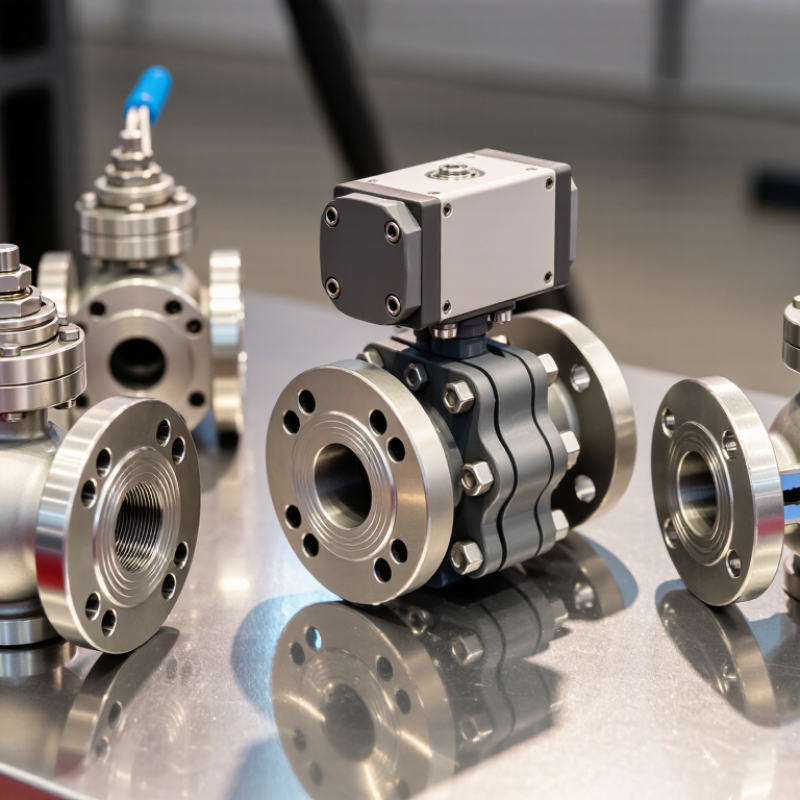
A ball valve uses a drilled sphere that turns a quarter-turn to open or block flow. When the bore aligns with the pipe, fluid passes; when it turns across the flow, the seats seal against the ball. Simple operation does not mean every design suits every duty. Floating-ball models often suit smaller lines, while trunnion-mounted designs can handle larger valves and higher operating loads. The right choice depends on pressure, temperature, fluid compatibility, solids, cycling frequency, and required leakage performance. Grand View Research estimated the global industrial valves market at USD 78.5 billion in 2022, forecasting 4.3% annual growth through 2030. That figure covers industrial valves broadly, not ball valves alone.
Tip: Check the valve’s pressure-temperature rating against actual operating conditions, including startup surges. Match body, ball, and seat materials to the fluid. Confirm the specified leakage class, end connections, and actuator torque. For throttling, ask whether the chosen ball and seat design is suitable; standard shutoff models may wear faster under continuous partial opening. Small detail. Big consequence.
Before ordering, compare full-port and reduced-port designs. Full-port valves generally create less flow restriction, while reduced-port options may be more compact or economical. Request test documentation and verify the exact configuration, not just the valve size. Maintenance access matters too: a valve buried behind insulation can turn a routine inspection into a costly job. I would also question assumptions about “maintenance-free” service; operating conditions and installation quality still matter.
Floating ball valves hold the ball between two seats, while the stem turns it a quarter turn. Line pressure pushes the ball downstream against the seat, helping create a tight shutoff. Unlike trunnion designs, the ball is not fixed by separate supports. This matters. Higher pressure can increase seat loading and operating torque, so sizing and actuator choice deserve care. Grand View Research estimated the 2023 global industrial-valve market at $79.7 billion. It projects 4.3% annual growth from 2024 to 2030. The report covers many valve types, not floating valves alone, so it signals broader demand rather than a specific product trend.
Floating designs are common in smaller-bore service across water systems, process lines, and oil and gas facilities. A full-bore version can reduce flow restriction; reduced-bore models may be more compact. Seat material, body alloy, temperature, and fluid chemistry all affect suitability. ISO 17292 outlines requirements for metal ball valves used in petroleum, petrochemical, and natural gas industries. In practice, seat wear and media compatibility are easy to underestimate. Check pressure ratings and test documentation against the actual operating conditions, not just the pipe size.
For high-pressure service, a trunnion-mounted ball valve is often a practical choice. Its ball is supported by shafts at the top and bottom, rather than being pushed against the seats by flow pressure alone. That support helps limit operating torque as valve size and pressure rise. Spring-loaded seats maintain contact with the ball, though the exact sealing arrangement varies by design. Less handle effort. More controlled operation.
Buyers should check the valve’s pressure-temperature rating, materials, seat design, and differential pressure—not pressure class alone. For example, a valve exposed to hot process fluid may have a lower allowable pressure than the same valve at room temperature. Confirm whether the specified test standard and leakage criteria match the service. Double-block-and-bleed capability can be useful, but it should be verified for the exact configuration.
Other designs can suit demanding duties. Metal-seated ball valves may handle higher temperatures or abrasive media better than soft-seated models, but they can allow more leakage. Floating-ball valves may fit smaller lines, depending on pressure and size limits. Ask about cycle frequency, actuator torque, and maintenance access. A neat catalog table cannot capture every upset condition. I would also question any selection based on “high pressure” alone; the fluid, temperature, and shutoff needs matter just as much.
Port design affects flow, pressure loss, and the space needed for installation. A full-port ball valve has an opening close to the connected pipe’s inside diameter, helping limit restriction. Reduced-port designs use a smaller passage and may suit systems where compact size matters more than maximum flow. Check the pressure drop at the expected flow rate; nominal pipe size alone can be misleading. Small detail. Big effect.
Entry style shapes access and maintenance. A side-entry valve is assembled through its body joint and is common in many general-purpose lines. A top-entry design provides access to internal parts from above, which can help when removing the valve from a fixed pipeline is difficult. That access is useful, but it does not automatically make every repair quick. Confirm clearance above the valve and the manufacturer’s maintenance procedure before specifying it.
Body construction also matters. One-piece bodies are compact, while two-piece designs allow a body joint for assembly and service. Three-piece bodies can be easier to remove and maintain in place, provided the pipeline supports the separated sections safely. These are trade-offs, not a simple ranking. In one project, I would compare service frequency, available space, media, and operating conditions before choosing. I would also recheck assumptions: a valve that fits the drawing may still be awkward to inspect in the actual plant.
Choosing a ball valve begins with the fluid, not the catalog photo. Record operating and peak pressure, temperature, flow direction, and any solids. Carbon steel can suit many general services, while stainless steel may better resist corrosion. But “stainless” is not a complete compatibility check; verify the exact alloy against the fluid and cleaning chemicals. Not a guess.
Seats and seals need equal care. PTFE offers broad chemical resistance, yet temperature limits, pressure, and repeated cycling can affect performance. Elastomers must match the media and temperature range; a seal suitable for water may not suit hot oil. NACE International’s IMPACT study estimated corrosion costs at US$2.5 trillion annually, about 3.4% of global GDP. That figure is a reminder that material selection has real operating consequences, not just purchase costs. Still, the study describes corrosion broadly, not valve failures alone.
For actuation, compare required torque at the highest pressure differential, including breakaway torque after long idle periods. Pneumatic actuators suit sites with reliable instrument air; electric units can simplify control where air is unavailable. Specify the desired fail position and confirm the actuator’s output across the full stroke. A tidy datasheet can still miss field conditions. Review the actual duty cycle, temperature swings, and maintenance access before finalizing the valve.
| Valve Type or Design | Typical Construction and Materials | Seats and Seals | Common Actuation | Typical Applications | Buyer Considerations |
|---|---|---|---|---|---|
| Floating Ball | The ball is held between the seats and moves slightly under line pressure. Bodies are commonly carbon steel, stainless steel, or other specified alloys. | Soft seats such as PTFE or reinforced PTFE are common. Stem seals may use PTFE packing or application-specific elastomers. | Lever for smaller or manually operated valves; gear operator or pneumatic/electric actuator for larger sizes or automated service. | General shutoff of compatible liquids and gases in process, utility, and industrial piping. | As pressure loads the ball against the downstream seat, operating torque and seat loading can increase. Check pressure, temperature, size, and cycle requirements. |
| Trunnion-Mounted Ball | The ball is supported by upper and lower trunnions. Carbon steel, stainless steel, and corrosion-resistant alloys are selected according to the service. | Often uses spring-loaded seats; seat inserts may be soft materials or metal, depending on temperature, pressure, and shutoff needs. | Gear operator or powered actuator is common, particularly for larger valves and higher-pressure duties. | Pipeline, storage, and process isolation where larger sizes or higher differential pressures may be involved. | Confirm pressure and temperature ratings, seat design, cavity relief requirements, and whether the specified design provides the required isolation function. |
| Full-Port or Reduced-Port | Available with different body and ball bore proportions; body materials depend on fluid, pressure, temperature, and applicable piping specifications. | Seat and stem-seal materials are selected for the process fluid and operating conditions, not by port size alone. | Lever, gear, pneumatic, or electric actuation, depending on size and operating requirements. | Full-port designs can reduce flow restriction and may suit pigging where the bore and pipeline layout permit. Reduced-port designs can be used where a smaller flow opening is acceptable. | Compare bore diameter, pressure drop, required flow capacity, pig passage, face-to-face dimensions, and cost. Port designation alone does not establish flow capacity. |
| Three-Way Ball Valve | A ball with an L-port or T-port passage routes flow between three connections. Body materials commonly include stainless steel or carbon steel, subject to compatibility. | Seat materials and seal design depend on the fluid and temperature. Confirm the permitted leakage and switching conditions. | Manual lever or an actuator with the required rotation and position control. | Flow diversion, selection between sources, or mixing/splitting arrangements in process and utility systems. | Specify L-port or T-port and verify the flow path at every handle or actuator position. Not every three-way design provides positive shutoff at every port. |
| Metal-Seated Ball Valve | Typically uses hard-faced or otherwise engineered metal seating surfaces; body and trim alloys are chosen for the service. | Metal-to-metal seating may be used where soft seats are unsuitable. Shutoff performance depends on design, manufacturing, service, and the specified leakage standard. | Gear, pneumatic, or electric actuation may be selected based on required torque and operating frequency. | Some high-temperature, abrasive, or demanding process duties, when the valve design is specifically qualified for the service. | Confirm temperature and pressure limits, abrasion and corrosion resistance, expected shutoff class, torque, and maintenance requirements. Metal seats do not automatically guarantee zero leakage. |
| Cryogenic Ball Valve | Designed for low-temperature service, often with an extended bonnet to help keep the stem packing away from the cold zone. Materials must retain suitable properties at the specified temperature. | Seat, packing, and gasket materials must be qualified for the minimum design temperature and the process fluid. | Manual or actuated, with actuator and accessories suitable for the ambient and operating conditions. | Liquefied gases and other low-temperature services when the valve is specified and tested for those conditions. | Check minimum design temperature, bonnet arrangement, thermal contraction, orientation requirements, emissions or leakage criteria, and applicable test requirements. |
| Actuated Ball Valve | Can be based on floating, trunnion, or other ball-valve designs. Body and trim materials remain application-specific. | Seat and stem-seal selection follows the process conditions; actuator selection does not determine material compatibility. | Pneumatic, electric, or hydraulic actuator; accessories may include solenoid valves, positioners, limit switches, and manual overrides. | Remote operation, frequent cycling, interlocks, and automated process control. | Size the actuator for required torque across the full operating range, including differential pressure and safety factor. Specify fail position, power supply, control signal, duty cycle, and environmental rating. |
Selection note: Confirm fluid composition, concentration, contaminants, pressure, temperature, flow direction, cycling, and required leakage performance with the valve manufacturer’s technical documentation. Body alloys, seat polymers, elastomers, and packing materials have different compatibility limits; no single material is suitable for every service.