How to Choose the Right Brass Elbow for Your Plumbing Project
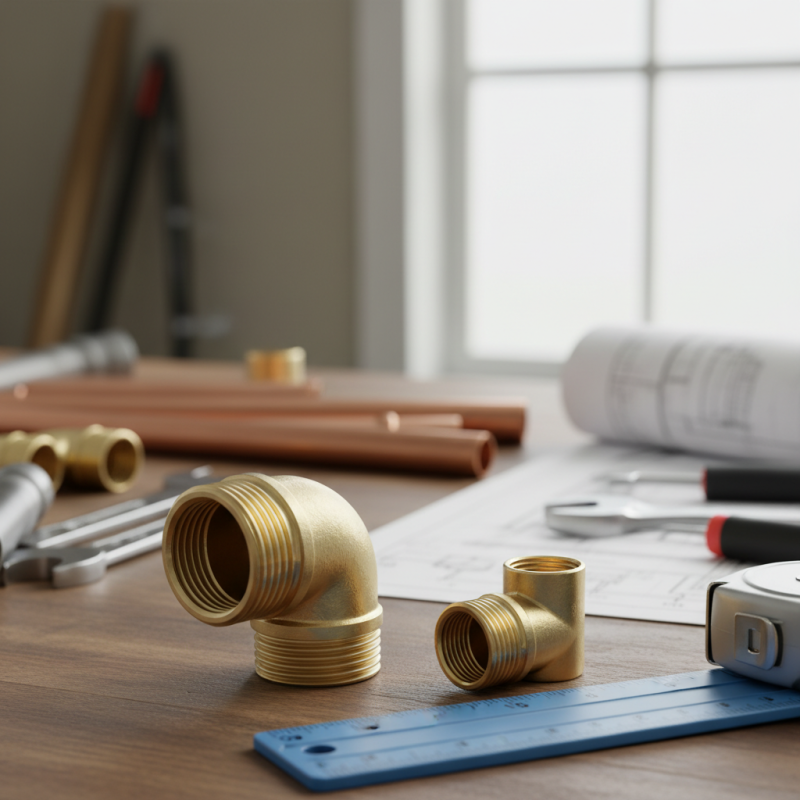
When embarking on a plumbing project, selecting the right components is crucial for ensuring efficiency and longevity. Among the various fittings available, the brass elbow stands out due to its exceptional durability and resistance to corrosion. A brass elbow, which is a fitting designed to change the direction of piping, is essential for navigating tight spaces and making connections between pipes at specific angles. Understanding the different types and sizes of brass elbows can significantly impact the success of your installation.
Choosing the right brass elbow involves considering factors such as the diameter of the pipe, the angle required for the plumbing layout, and the specific application of the piping system. With various options available in the market, it can be overwhelming to make an informed decision. However, by focusing on your project's unique requirements, you can select a brass elbow that not only fits perfectly but also enhances the overall functionality of your plumbing system. This article will guide you through the key considerations for choosing the right brass elbow, ensuring that your plumbing project runs smoothly and effectively.
Understanding the Types of Brass Elbows in Plumbing Applications
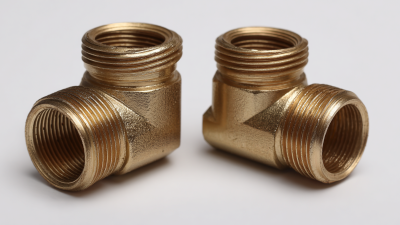
When selecting brass elbows for your plumbing project, it’s essential to understand the different types available and their specific applications. Brass elbows are generally categorized based on their angles, such as 45-degree and 90-degree, each serving different functional purposes in piping systems. A 90-degree elbow, for instance, is commonly used to make sharp directional changes in a pipeline, while a 45-degree elbow allows for a gentler turn, reducing friction and improving flow rates.
Tips: When choosing the right brass elbow, always consider the diameter of your pipes to ensure a proper fit. Additionally, it's vital to take into account the working pressure and temperature of your system, as certain types of brass may be better suited for high-pressure applications than others. Lastly, check if the elbows are designed for soldering or threaded connections, as this will impact your installation method.
Another key consideration is the lead content of the brass elbow, especially in plumbing systems intended for drinking water. Look for lead-free options, ensuring compliance with safety standards and regulations. Always consult local codes or guidelines for further assurance and to make sure your plumbing remains safe and up to standard.
Key Factors to Consider When Choosing Brass Elbows
When selecting a brass elbow for your plumbing project, several key factors should be considered to ensure optimal functionality and durability. One of the most critical aspects is the elbow’s fitting size, as it must match the diameter of the pipes in use to prevent leaks and maintain efficient water flow. According to industry reports, the failure to choose the appropriate fitting size can contribute to a significant percentage of plumbing system inefficiencies. Additionally, consider the angle of the elbow; 90-degree angles are common for sharp turns, while 45-degree elbows are often used for gradual bends to minimize pressure loss.
Another pivotal factor is the type of brass used in the elbow. Lead-free brass is increasingly recommended due to its compliance with health regulations and standards. Recent studies show that pipes and fittings made from lead-free brass can reduce lead contamination levels, making them a safer choice for potable water systems. When evaluating options, also take into account the elbow’s pressure rating, as it must withstand the operational pressure of your plumbing system without failure.
**Tips:** Always verify that the angle and size match the requirements of your plumbing layout before purchasing. Additionally, consult local plumbing codes for specific material regulations in your area, as these can greatly influence your selection process. Finally, investing in high-quality brass elbows can lead to long-term cost savings by reducing maintenance and replacement needs.
Assessing Size and Compatibility with Existing Plumbing Systems
When embarking on a plumbing project that requires the use of brass elbows, assessing the size and compatibility with existing plumbing systems is crucial for ensuring optimal performance and longevity. The sizing of brass elbows typically relies on the nominal pipe size (NPS) which corresponds to the diameter of the existing pipes. According to industry standards, using the correct NPS is essential; mismatched sizes can lead to increased friction loss, reduce flow efficiency, and potentially damage the plumbing system. Research indicates that approximately 20% of plumbing issues are linked to improper fittings, making this a critical consideration in your project.
To ensure compatibility, consider not only the diameter but also the thread type and configuration of existing pipes—this is especially pertinent in older homes where plumbing standards may differ from current norms. The American Society of Plumbing Engineers (ASPE) emphasizes the importance of verifying both the male and female threads to prevent leaks and ensure a secure connection. Furthermore, when working with different materials, such as PVC versus copper, it's advisable to use transition fittings designed to handle such changes to maintain system integrity.
Tips: Always measure your existing pipes accurately before purchasing any fittings to avoid unnecessary returns. If you’re unsure about measurements, consulting with a plumbing professional or referring to detailed plumbing guides can save time and resources. Additionally, consider using pipe tape on threaded connections to further ensure a secure and leak-free joint during installation.
Evaluating Pressure Ratings and Temperature Tolerance
When selecting a brass elbow for your plumbing project, evaluating the pressure ratings and temperature tolerance is crucial. Pressure ratings indicate the maximum pressure the elbow can safely handle, which is essential for maintaining a secure plumbing system. Typically, the pressure rating for standard brass fittings ranges from 150 to 400 PSI, depending on their size and design. It's important to match the elbow’s rating with the requirements of your system to prevent leaks or failures.
Temperature tolerance is another vital aspect to consider, as plumbing applications often require components to withstand varying temperatures. Brass elbows generally can function well in temperatures ranging from -40°F to 200°F, but specific conditions can further influence this range. For example, high-temperature applications may necessitate specialized fittings to prevent softening or deformation of the material.
Tips: Always check the manufacturer's specifications for both pressure ratings and temperature tolerance. If you're working with hot water systems, opt for elbows rated for higher temperatures to ensure they perform adequately over time. Additionally, consulting with a plumbing professional can help identify the most suitable elbow for your specific application, providing peace of mind for your plumbing project.
Pressure Ratings and Temperature Tolerance of Brass Elbows
Exploring Cost Options and Availability for Brass Elbows
When selecting the right brass elbow for your plumbing project, understanding the cost options and availability is crucial. Brass elbows are widely used in various applications due to their durability and resistance to corrosion. According to industry reports, the global plumbing fittings market is expected to grow at a CAGR of approximately 5% over the next five years, driven by increasing residential and commercial construction activities. This growth directly influences the availability of brass elbows, with more suppliers and products entering the market.
 Pricing for brass elbows can vary significantly based on factors such as size, configuration, and quality of material. Data from the Plumbing Manufacturers International (PMI) indicates that standard brass elbows can range from $2 to $15 each, depending on these factors. Additionally, bulk purchasing options can often lead to substantial savings, as many suppliers offer discounts for larger orders. It's important to compare not only the prices but also the specifications to ensure that the chosen product meets the requirements of your specific project. By researching various suppliers and taking advantage of competitive pricing, homeowners and contractors can effectively manage their budgets while ensuring the reliability of their plumbing systems.