How to Choose the Best Press Fittings for Your Projects?
Choosing the right press fittings for your projects is crucial for ensuring both efficiency and durability. Press fittings have gained popularity in recent years, largely driven by their ease of installation and reliability. According to a report by the American Society of Plumbing Engineers, over 70% of plumbing professionals now prefer press fittings due to reduced labor costs and time savings.
However, selecting the best press fittings can be challenging. With various materials, sizes, and specifications available, it’s essential to understand the project requirements. A survey from the Plumbing Manufacturers International indicated that improper fitting choices can lead to 30% of installation failures, resulting in costly repairs and delays.
Evaluating options requires an understanding of both industry standards and specific project needs. Not all press fittings perform equally in diverse environments. For instance, comparing copper, stainless steel, and plastic fittings is vital. Each material offers distinct advantages and potential drawbacks. Making informed choices based on empirical data and insights will ultimately lead to more successful project outcomes.
Understanding the Different Types of Press Fittings Available
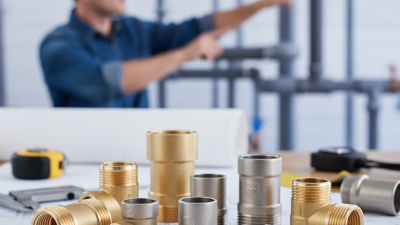
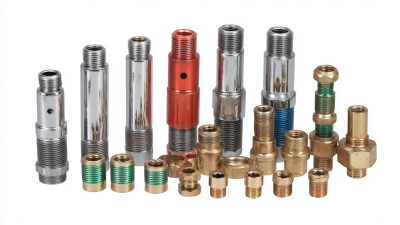
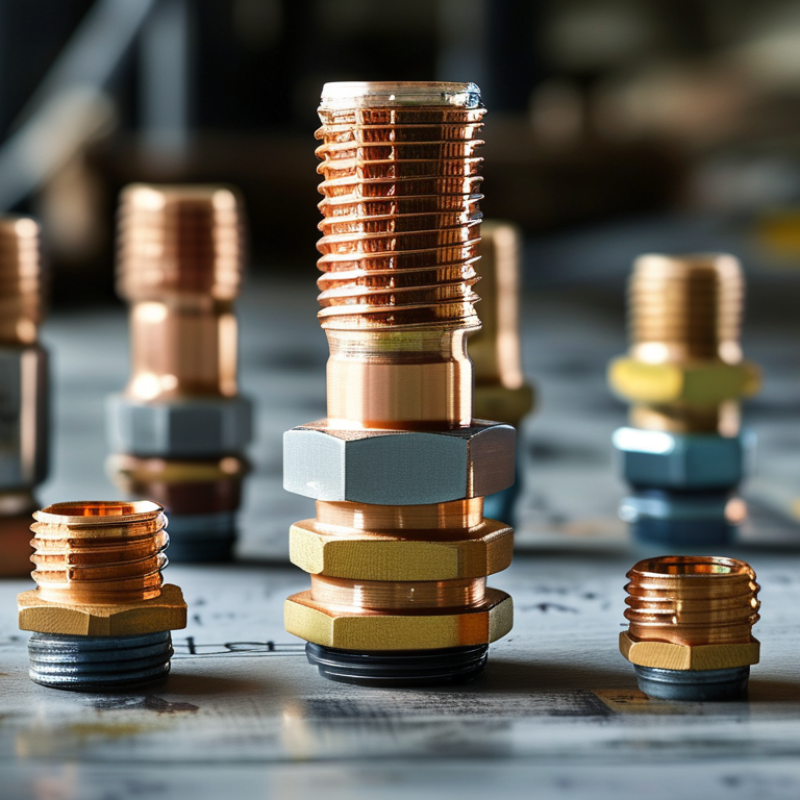
When selecting press fittings for your project, understanding the various types is crucial. Common types include copper press fittings, stainless steel fittings, and carbon steel options. Each material boasts unique strengths. For example, copper fittings are known for their corrosion resistance and thermal conductivity, making them suitable for water applications. Conversely, stainless steel fittings offer superior strength and are ideal for high-pressure systems.
Different types of press fittings also serve distinct purposes. Copper fittings work well in residential plumbing. Stainless steel is often used in industrial settings. Carbon steel fittings are robust and can handle heavy-duty applications but may require protective coatings to resist rust.
It’s essential to consider the specific requirements of your project. Many professionals overlook compatibility with existing systems or fail to assess environmental factors. Ensuring the right fit saves time and costs in the long run. Balancing cost with quality is never easy. Not every fitting will meet your expectations, even if its specifications sound perfect. Consider consulting with an expert to navigate the choices available.
Key Factors to Consider When Choosing Press Fittings
Choosing the right press fittings for your projects is crucial. The material of the fittings plays a significant role. Common materials include stainless steel, copper, and carbon steel. Each has unique properties suited to different applications.
Stainless steel is resistant to corrosion, while copper offers excellent thermal conductivity.
Size is another critical factor. Press fittings come in various dimensions. It's essential to match these with the piping system's specifications. An ill-fitting fitting can lead to leaks or system failures. Understanding the pressure ratings of fittings is equally important. They should align with the expected pressure in your system.
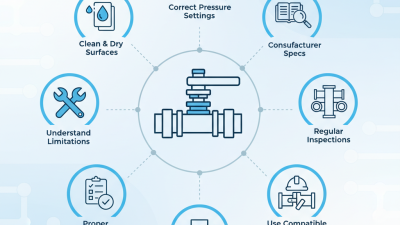
Installation requirements can vary. Some press fittings may require specialized tools. This can impact the overall project timeline. Regular maintenance and inspection are vital for ensuring longevity. It’s easy to overlook, but these steps are necessary. Using the correct fittings can prevent future headaches. Each project presents unique challenges, so careful consideration is key.
Material Compatibility: Selecting the Right Fittings for Your Project
When selecting press fittings for your projects, material compatibility is crucial.
The right materials directly impact the longevity and performance of your installation. Common materials include
copper, stainless steel,
and PEX. Each material has unique properties, making them suitable for different applications.
For instance, copper fittings are widely used for their excellent heat conductivity and
corrosion resistance. They are ideal for hot water systems. On the other hand, stainless steel fittings offer
superior strength and resistance to high pressures, making them suitable for industrial applications.
PEX fittings provide flexibility and ease of installation, particularly in residential plumbing. However, not all materials work
well together. Mixing them can lead to corrosion and leaks.
Engineers must consider factors like temperature and the nature of the fluids involved. A fitting that works well in one environment
may fail in another. It’s vital to check compatibility charts and consult with experts. Understanding these nuances may take time
and effort, but the benefits are worth it. Taking shortcuts during material selection might lead to costly repairs later.
Proper selection ensures efficiency and safety
in your projects.
Evaluating Press Fitting Sizes and Specifications
Choosing the right press fittings for your projects involves careful consideration of sizes and specifications. Start by determining the piping system you are working on. Each system has unique requirements and knowing these will shape your decisions. For instance, different materials may need different fittings. Understanding this is crucial.
Tips: Measure the diameter and the thickness of the pipes accurately. This will help you select the right fitting size. Consider the pressure ratings as well. Not all fittings can handle the same pressure, and understanding these specs can prevent failures.
Evaluating the dimensions of the fittings is important as well. Some fittings come in various sizes, which may seem confusing. Often, this leads to mismatched fittings. It is vital to ensure compatibility. Read the specifications sheets carefully.
Tips: Always check alignment during installation. Misalignment can cause leaks down the line. Seek professional advice if needed. A little caution can save you from costly mistakes. Assessing your options with great detail will lead to better outcomes.
Installation Techniques for Optimal Performance of Press Fittings
When it comes to press fittings, installation techniques are crucial for achieving optimal performance. Proper alignment and clean pipes can make a big difference. A recent industry report from the International Association of Plumbing and Mechanical Officials (IAPMO) indicates that improper installation can lead to a 25% increase in leaks. This underscores the importance of meticulous techniques during the installation process.
Always start by ensuring that pipe ends are free from dirt and debris. Use a suitable cleaning tool to eliminate any residue. Checking the alignment of pipes before pressing is essential. Misalignment can result in failure, negating the advantages of using press fittings. Interestingly, studies show that even a minor misalignment can lead to significant stress on fittings, causing eventual leaks.
Tips: Consider using a depth mark on pipes to ensure the fitting is inserted fully. Also, perform a pressure test before sealing the installation. This simple step can help identify potential issues before they escalate. Another useful practice is to familiarize yourself with the manufacturer's specifications, as they often provide installation guidance unique to their products. Even seasoned professionals can overlook these details, leading to costly rectifications.