How to Choose the Best Stainless Steel Pipe Fittings for Your Needs?
Choosing the right stainless steel pipe fittings can be challenging. Industry expert John Miller, a seasoned engineer with over 20 years in the field, emphasizes, "Quality fittings yield long-term reliability." This statement underscores the importance of careful selection in ensuring durability and functionality.
Stainless steel pipe fittings come in various types and grades. Each option serves specific applications. Factors like pressure ratings, temperature tolerance, and corrosion resistance matter. Understanding your specific needs is crucial. Ignoring these details might lead to costly replacements or failures later on.
Reflection on your choices can be vital. Not every fitting will suit your project perfectly. Take time to evaluate options based on quality and purpose. Selecting the best stainless steel pipe fittings ensures your system operates efficiently and reliably.
Understanding Stainless Steel Pipe Fittings: Types and Applications
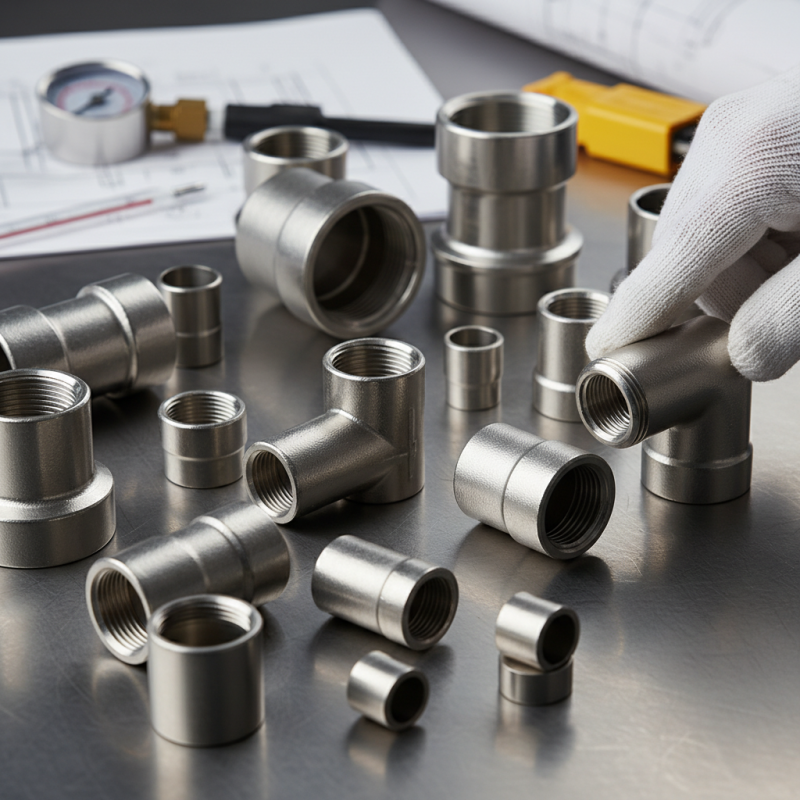
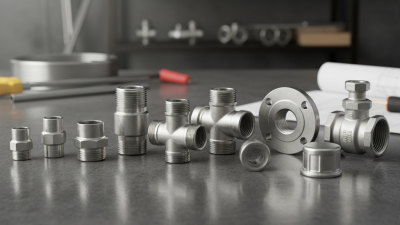
Stainless steel pipe fittings come in various types, each designed for specific applications. Common types include elbows, tees, and couplings. Elbows change the direction of flow, while tees allow for branching off from a main line. Couplings connect two pipes together. Each fitting type serves a unique purpose, making it essential to understand their uses.
Choosing the correct fitting depends on your project’s requirements. For example, consider the operating temperature and pressure. This can impact material selection. Not all stainless steels are created equal; corrosion resistance varies. Some applications may even require a combination of fittings. This is where things can get complicated.
Installation methods also differ. Some fittings rely on welding, while others use threaded connections. Each method has its pros and cons. Improper installation can lead to leaks or failures. Always evaluate your skills and equipment before starting a project. Sometimes, professional help is the best choice. Balancing these factors is crucial for project success.
Types of Stainless Steel Pipe Fittings and Their Applications
Key Factors to Consider When Choosing Stainless Steel Pipe Fittings
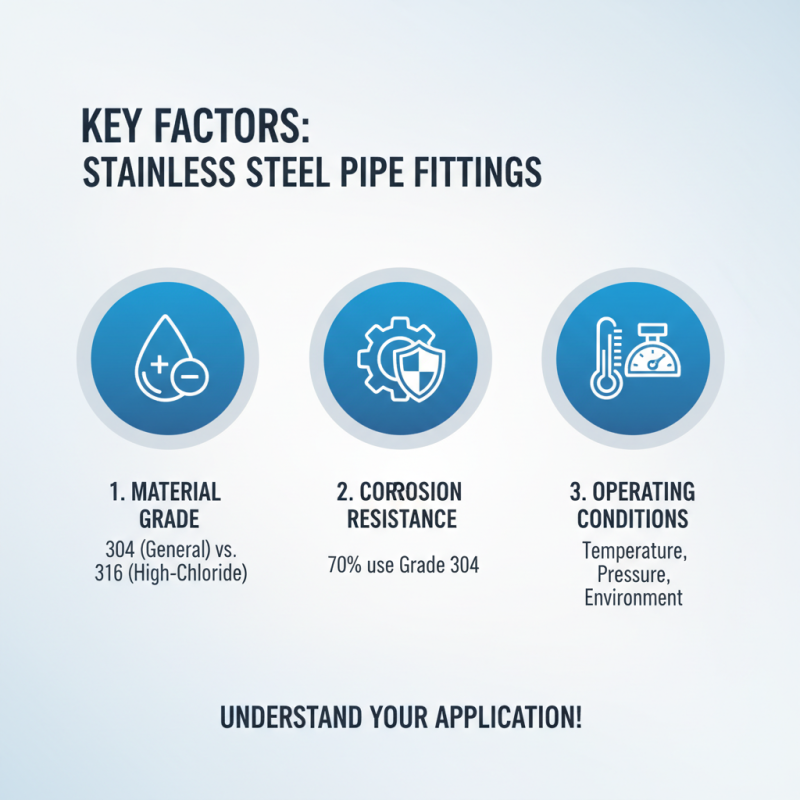
When selecting stainless steel pipe fittings, several key factors should guide your decision. One major consideration is the material grade. For example, 304 and 316 stainless steels are popular due to their corrosion resistance. According to the Stainless Steel Industry Association, about 70% of stainless steel used in piping applications is grade 304. This grade is well-suited for most situations but may not withstand high chloride environments. Therefore, understanding the specific conditions of your application is vital.
Another critical factor is the fitting type. There are various designs—elbows, tees, and unions, each serving different functions. A report from the American Society of Mechanical Engineers indicates that mismatched fitting types can lead to failures in assembly, which could contribute to safety hazards. The right type will depend on your system's layout and pressure requirements. Lastly, consider the fitting's pressure rating. A mismatch here can lead to leaks or ruptures, costing time and resources.
Given these factors, careful planning and consultation with industry professionals can minimize issues. Assessing the environment, choosing the correct material, and ensuring the right fitting type are essential steps. It's about more than just selection; it's about aligning your choices with design requirements and operational demands.
Comparing Different Grades of Stainless Steel for Fittings
When choosing stainless steel pipe fittings, understanding the different grades is crucial. The most common grades are 304 and 316. Grade 304 is widely used due to its good corrosion resistance and versatility. It contains 8% nickel and 18% chromium. This combination gives it a significant edge in most general applications. According to the ASTM International standards, 304 fittings are reliable in environments with moderate exposure to corrosive elements.
On the other hand, grade 316 offers enhanced resistance to harsh environments, especially in marine settings. It includes molybdenum, which boosts its resistance to pitting and crevice corrosion. Reports show that 316 fittings are preferred in chemical processing industries due to their durability. The increase in demand for 316 stainless steel fittings has been noted to rise by 20% in recent market analyses, indicating their importance in challenging applications.
However, selecting the right grade isn't just about corrosion resistance. Cost factors also play a role. Grade 316 is often more expensive than 304. For projects with tight budgets, using 304 fittings could lead to unforeseen costs later. Evaluating the balance between initial investment and long-term performance is essential. It prompts further examination of the specific application and environment where the fittings will be used.
Assessment of Size and Compatibility in Pipe Fitting Selection
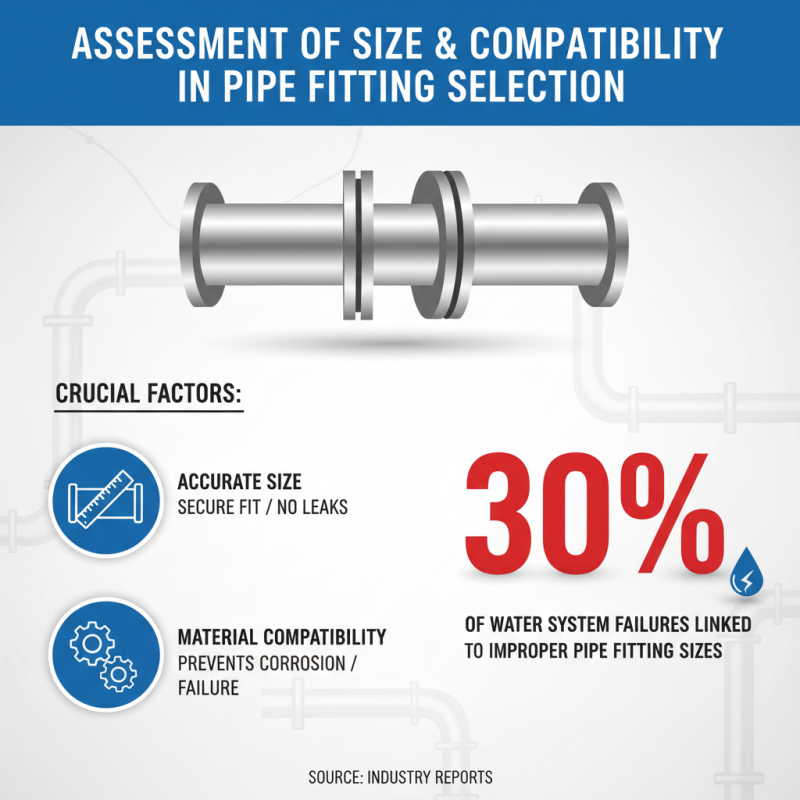
When selecting stainless steel pipe fittings, size and compatibility are crucial factors. Accurate dimensions ensure a secure fit and prevent leaks. According to industry reports, nearly 30% of water system failures are linked to improper pipe fitting sizes.
To assess the right size, measure the diameter and wall thickness of pipes accurately. It’s advisable to consult ANSI/ASME standards that outline the dimensions of fittings. These standards help in choosing the correct size that matches pipe specifications. A poor fit leads to increased wear and potential system failures.
Tip: Always carry a caliper for precise measurements. It allows you to double-check sizes before making a purchase.
Compatibility with existing systems is equally important. Different systems may have varying standards and pressure ratings. Confirm that the selected fittings meet the necessary specifications for pressure and temperature. Incompatibility can lead to not just inefficiencies, but also safety hazards.
Tip: Review your system's technical data before selection. It ensures that you’re aware of any specific requirements. Ultimately, taking the time to assess size and compatibility can save you from costly mistakes.
Cost Considerations and Budgeting for Stainless Steel Pipe Fittings
When budgeting for stainless steel pipe fittings, consider several factors. Quality is paramount. Higher-quality fittings often have a greater initial cost. However, they provide better durability over time. Cheaper options may seem attractive but can lead to frequent replacements. This will increase your overall expenses.
Moreover, the type of fitting affects the price. Elbows, tees, and flanges have different costs based on size and function. Also, installation costs can vary. Are you doing it yourself or hiring a professional? DIY can save money but requires skill and knowledge. Mistakes in installation can lead to further costs.
It's essential to account for future needs. If your project might expand, invest in fittings that accommodate that growth. Balancing quality and cost is a delicate task. Take your time to reflect on your specific needs and the trade-offs involved. Sometimes, spending a bit more upfront will save you money in the long run. Consider long-lasting performance as a priority over short-term savings.
How to Choose the Best Stainless Steel Pipe Fittings for Your Needs?
| Fitting Type |
Material Grade |
Size (Inches) |
Cost per Unit ($) |
Applications |
| Elbow |
304 |
1 |
5.00 |
Plumbing, HVAC |
| Tee |
316 |
1.5 |
7.50 |
Oil & Gas, Food Industry |
| Reducer |
304 |
2 |
6.00 |
Chemical Processing, Water Treatment |
| Cap |
316 |
1 |
4.00 |
Plumbing, Industrial |
| Flange |
304 |
2.5 |
10.00 |
Piping Systems, Construction |