How to Choose Compression Fittings for Global Sourcing?
Choosing the right compression fittings is crucial in global sourcing. As industries expand, understanding the market dynamics becomes essential. According to a recent report by Grand View Research, the global compression fittings market is projected to reach $8 billion by 2027, highlighting its significant demand.
Expert Jane Smith, a leading figure in fluid dynamics, emphasizes, "The quality of compression fittings can make or break a system." This statement underscores the importance of meticulous selection. The variety in materials and certifications, such as ASTM or ISO compliance, can greatly influence performance and sustainability.
Selecting compression fittings requires thorough research. Sourcing from reliable manufacturers ensures longevity and safety in applications. However, with lower-quality options flooding the market, buyers must remain vigilant. A misstep can lead to costly repairs or system failures. Understanding the nuances of compression fittings enhances decision-making and ensures project success.

Understanding the Basics of Compression Fittings in Global Sourcing
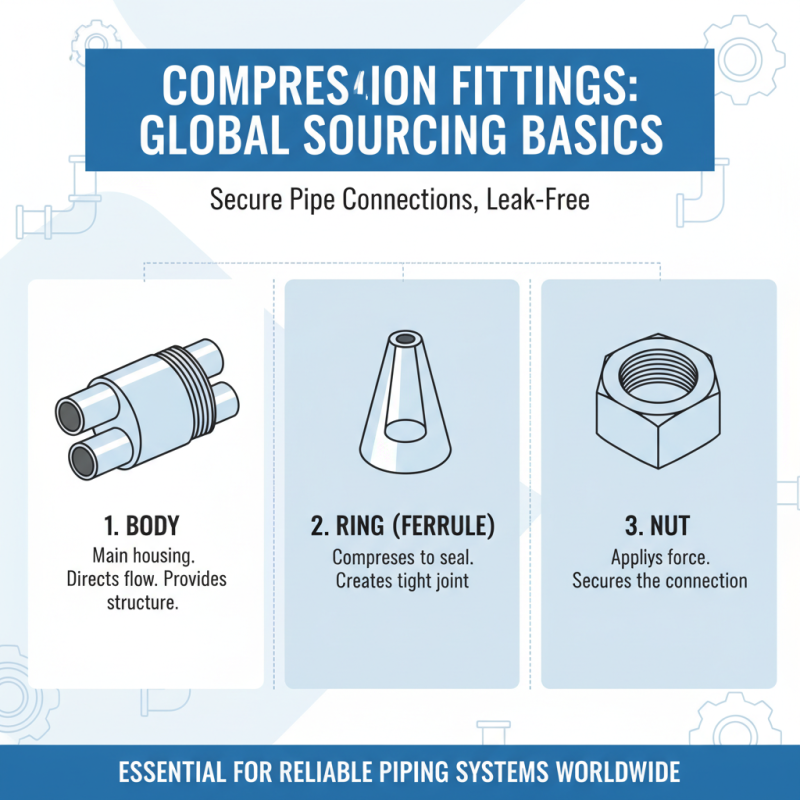
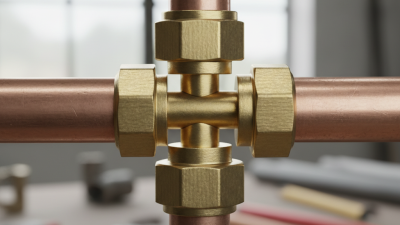
Compression fittings are essential in piping systems. They connect pipes securely, ensuring no leaks occur. Understanding their components is vital for effective global sourcing. These fittings typically consist of a body, a nut, and a ring. Each part plays a role in maintaining a tight seal.
When sourcing globally, quality is paramount. Not all manufacturers adhere to the same standards. Some fittings may perform poorly under pressure. It’s important to review specifications carefully. Certifications and materials used can greatly affect reliability. Authenticity matters; always verify suppliers’ claims.
Be cautious about sourcing based solely on price. Sometimes, lower costs lead to compromised quality. This can result in costly repairs down the line. Engage in thorough research and seek expert advice when necessary. Collaborating with knowledgeable partners can facilitate informed decisions.
Key Factors to Consider When Selecting Compression Fittings
When selecting compression fittings for global sourcing, several key factors come into play. Material compatibility is crucial. Different applications require specific materials. For example, stainless steel is popular for its corrosion resistance. However, not all environments are suitable for metal. Sometimes, polymer fittings offer better chemical resistance.
Dimension accuracy matters, too. The right fitting ensures a leak-free seal. Measure pipe diameters carefully. Even a slight error can lead to failures. Pressure ratings should also be considered. Each fitting has a maximum pressure threshold. Exceeding this can cause dangerous ruptures.
Lastly, manufacturing standards cannot be overlooked. Look for compliance with international quality certifications. Reliable suppliers will offer documentation that reflects their commitment to quality. It’s also essential to assess the supplier’s track record. Check reviews and industry reputation to avoid pitfalls.
Choosing Compression Fittings for Global Sourcing
Evaluating Material Compatibility for Compression Fittings
When selecting compression fittings, evaluating material compatibility is vital. This process ensures that the fittings withstand various environmental factors, which can affect performance and longevity. According to industry reports, improper material selection can lead to a 30% increase in failure rates. This statistic underscores the need for careful consideration.
Different applications require different materials. For instance, stainless steel fittings are ideal for high-pressure applications due to their strength and corrosion resistance. On the other hand, plastic fittings might be suitable for lower pressure scenarios but may lack durability under harsh conditions. Companies should assess the specific needs of their projects, including temperature extremes and corrosive substances, before making a decision.
Testing is an essential aspect of evaluating material compatibility. Many industries lack consistent testing standards, which can lead to uncertainty. A recent survey indicated that 40% of professionals find difficulty in assessing which materials will perform best over time. Companies must invest in research and development to ensure they choose the right fittings. Without thorough testing, the risk of premature failures or leaks increases significantly.
How to Choose Compression Fittings for Global Sourcing? - Evaluating Material Compatibility for Compression Fittings
| Material Type |
Compatibility |
Temperature Range (°C) |
Pressure Rating (bar) |
Typical Applications |
| Brass |
Good with water, oils |
-20 to 120 |
10-16 |
Plumbing, HVAC |
| Stainless Steel |
Excellent corrosion resistance |
-50 to 400 |
20-50 |
Chemical processing, food and beverage |
| Plastic (PVC) |
Good with water, certain chemicals |
0 to 60 |
5-10 |
Irrigation, drainage systems |
| Copper |
Good with water, refrigeration |
-30 to 150 |
15-30 |
Plumbing, air conditioning |
| Aluminum |
Good with water and air |
-50 to 120 |
10-20 |
Automotive, aerospace |
Analyzing Industry Standards and Certifications for Sourcing
When sourcing compression fittings globally, understanding industry standards and certifications is crucial. These standards ensure that products meet specific quality and safety benchmarks. Organizations like ISO and ASTM provide parameters that enhance reliability in the supply chain. Ensure the suppliers you choose comply with relevant certifications. This step leads to fewer product failures and a more efficient workflow in your projects.
Tips: Research common standards in your industry. This practice helps you grasp what to expect from suppliers. Also, consider local regulations that might affect some imported fittings. Maintaining awareness of regional differences can save you headaches later.
Selecting reliable suppliers is essential. Analyze their certifications carefully. A lack of clear certification can indicate poor quality control. Build a list of reputable suppliers and compare their adherence to standards. Remember, sourcing high-quality compression fittings will impact your project's success directly.
Assessing Cost-Effectiveness and Supplier Reliability in Procurement
When sourcing compression fittings globally, assessing supplier reliability is vital. Supplier reliability directly influences product quality and operational efficiency. According to a report from the Institute for Supply Management, 45% of procurement disruptions stem from unreliable suppliers. This statistic emphasizes the need for thorough vetting processes. Conducting site visits and assessing production capabilities can mitigate risks.
Cost-effectiveness is another critical consideration in procurement. A survey by McKinsey indicates that companies can reduce procurement costs by up to 20% through strategic sourcing practices. Evaluating suppliers based on their financial stability and historical performance is essential. It's not just about finding the lowest price. High-quality fittings may offer long-term savings through reduced failures and maintenance costs.
Documentation is often overlooked but crucial. Always verify certifications and compliance with international standards. Inconsistent quality can lead to significant project delays and cost overruns. Remember, effective communication and relationship building with suppliers can reveal insights that formal reports may not capture. These layers of understanding can enhance procurement decisions in a complex global environment.