How to Choose PVC Pipe Fittings for Your Plumbing Projects?
When embarking on plumbing projects, selecting the right PVC pipe fittings is crucial. These fittings play a vital role in ensuring the durability and efficiency of your plumbing system. However, many homeowners find the variety of options overwhelming. Understanding the types of PVC pipe fittings available can ease this process.
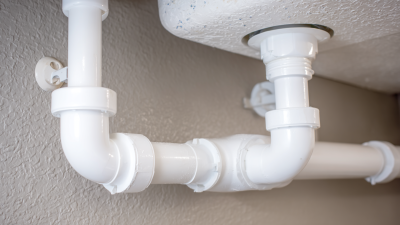
Consider the specific needs of your project. Will the fittings be used for water supply or drainage? Each application may require different specifications. Pay attention to the fitting sizes and types, as compatibility is essential. It's easy to overlook the small details, but these can lead to major headaches later.
Reflect on your budget, as well. While high-quality PVC pipe fittings may cost more upfront, they often result in better performance. In the long run, they could save you from costly repairs. Balancing quality and affordability requires careful thought. Choosing the right PVC pipe fittings will ultimately make your plumbing system more reliable and functional.
Understanding the Basics of PVC Pipe and Fittings
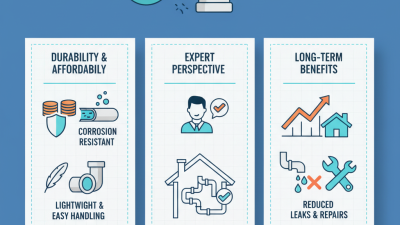
Understanding PVC pipe and fittings is essential for any plumbing project. PVC, or polyvinyl chloride, is a durable and lightweight material. It accounts for over 60% of the plastic pipe market in the U.S. alone, valued at approximately $8 billion in 2021. This popularity stems from its resistance to corrosion and its affordability. Yet, not all PVC fittings are created equal; some can degrade under UV light. This often leads to premature failures, which may not be obvious until it’s too late.
Selecting the right fittings involves understanding various factors. For instance, consider the pressure rating of the pipe. A reputable study from the Plastic Pipe and Fittings Association states that improper fittings can reduce the life of your plumbing system by 20% or more. Also, look at the pipe diameter needed for your project. A common mistake is underestimating flow requirements, leading to inefficient systems. Even minor miscalculations can lead to leaks and costly repairs later on. Balancing cost with quality remains a tricky challenge for many contractors.
Types of PVC Pipe Fittings and Their Applications
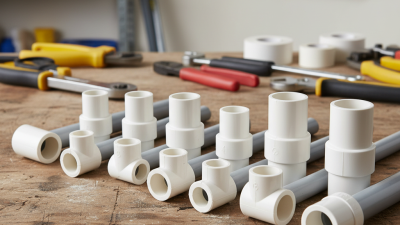
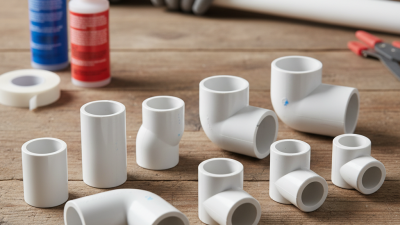
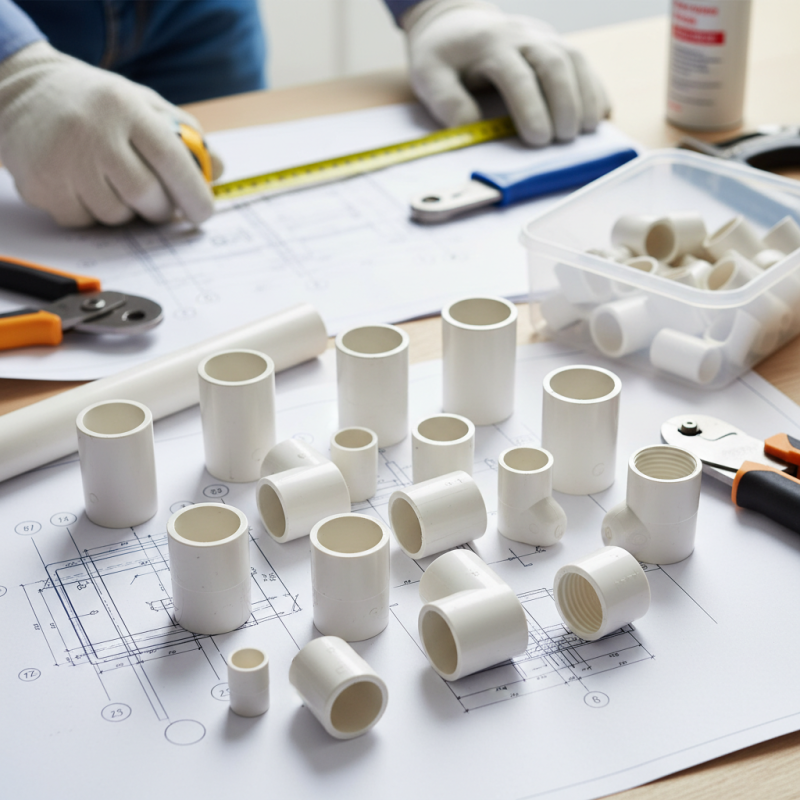
When selecting PVC pipe fittings for plumbing projects, understanding their types and applications is crucial. There are various fittings available, each serving a unique purpose. Elbows, for example, are used for changing direction. They come in 90-degree and 45-degree options. Tees allow branching off from a main line. They connect three pipes and are essential for creating a network.
In addition, couplings are crucial for joining two segments of pipe together. They ensure a tight seal and reduce the chance of leaks. On the other hand, caps and plugs are used to close off pipes. Caps cover the end of a pipe, while plugs insert directly into the fitting.
Choosing the right gas release valve or check valve is essential. Sometimes, the wrong choice can lead to inconvenience or even plumbing disasters. Reflect on your project needs before making a decision.
Key Factors to Consider When Choosing PVC Fittings
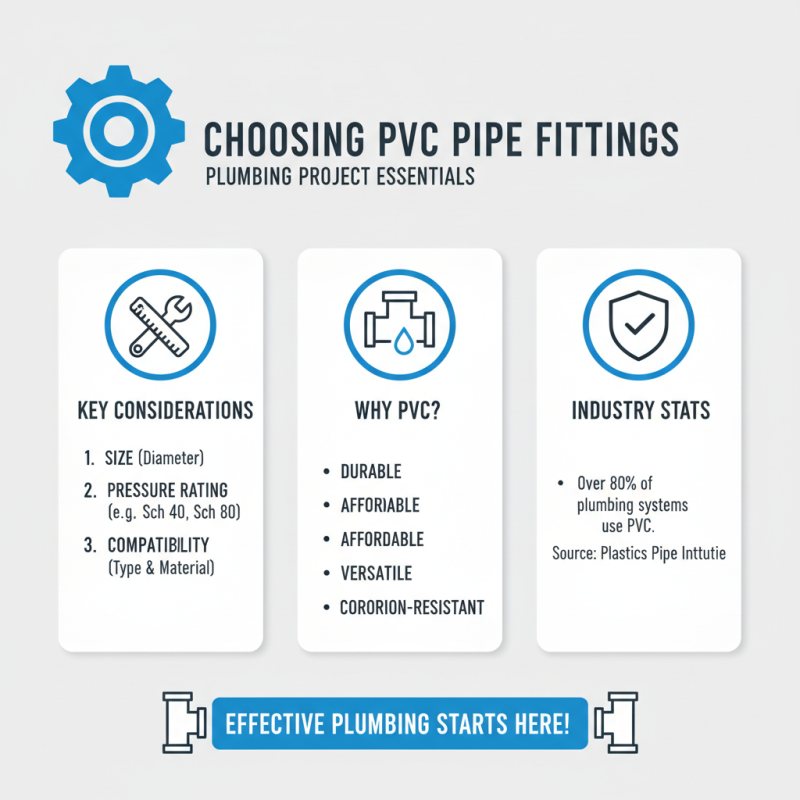
Choosing the right PVC pipe fittings is crucial for effective plumbing projects. When selecting fittings, you should consider factors such as size, pressure rating, and compatibility. According to the Plastics Pipe Institute, more than 80% of plumbing systems utilize PVC due to its durability and affordability.
Size is often overlooked but critical. Fittings must match the dimensions of your pipes. If they don't, issues like leaks may occur. Accurate measurements can prevent complications later. For pressure ratings, most residential systems require fittings rated up to 200 psi. However, commercial applications may need higher ratings. Misjudging this could lead to pipe bursts, resulting in costly repairs.
Compatibility with other materials is another vital consideration. Mixing PVC with materials like metal can cause corrosion or weak connections. Data from the American Society for Testing and Materials indicates that using compatible fittings reduces the risk of system failure by over 30%. Rushing to select fittings without proper research can lead to mistakes that compromise your plumbing integrity. Choosing wisely means considering every detail. The right decisions can save time and money in the long run.
Installation Tips for PVC Pipe Fittings
Installing PVC pipe fittings requires attention to detail and precision. Width and diameter must match existing pipes for a secure fit. The right fittings ensure a smooth flow and prevent leaks. According to industry reports, improper installation can cause up to 30% of plumbing issues, leading to costly repairs. Using primer and solvent cement properly seals joints, helping avoid future leaks.
When installing, cut the pipes cleanly and ensure no debris remains. A dirty cut can lead to poor sealing and leaks. Some installers overlook the need to measure twice before cutting, resulting in wasted materials and time. Proper alignment is crucial; any misalignment can stress the fittings and lead to early failure. Regular quality checks during installation can identify errors early. Be mindful that mistakes often arise from rushing the process or from inadequate planning.
Usage of PVC Pipe Fittings in Plumbing Projects
Common Mistakes to Avoid in PVC Plumbing Projects
When embarking on PVC plumbing projects, it’s easy to make mistakes that could derail your efforts. A common error is purchasing the wrong size of fittings. Measure your pipes carefully before buying. A tight fit can cause leaks, while oversized fittings lead to weak connections.
Another frequent pitfall is overlooking the type of glue or solvent used. Many overlook the importance of using the right adhesive for PVC. The wrong choice can lead to failed joints and messy repairs. Take time to read the labels. Some glues dry quickly, which can be useful, but also makes mistakes more permanent.
Tip: Create a checklist of the fittings and materials you need before starting. This will help you avoid last-minute rushes to the store. Remember, patience saves time and money. Rushing often results in regrets.
Also, double-check all connections prior to testing your plumbing system. A small oversight can lead to significant water damage. Don’t skip this step; it’s crucial for lasting results.