How to Choose Quick And Easy Fittings for Your DIY Projects?
Choosing the right fittings for your DIY projects can feel overwhelming. Quick and easy fittings can simplify this process significantly. These fittings save time and effort, allowing you to focus more on creativity and less on complications.
When selecting fittings, consider your project’s needs. Some fittings are better for certain materials, while others offer flexibility. Ensure that you understand the specifications before purchasing. This knowledge builds trust and reliability in your choices.
Don't shy away from experimenting. Sometimes, quick and easy fittings may not fit perfectly, leading to adjustments. Learning from these moments enhances your skills. Reflection on your previous projects can inform your future decisions. Overall, quick and easy fittings can be a valuable asset if chosen wisely.
Understanding the Types of Fittings Available for DIY Projects
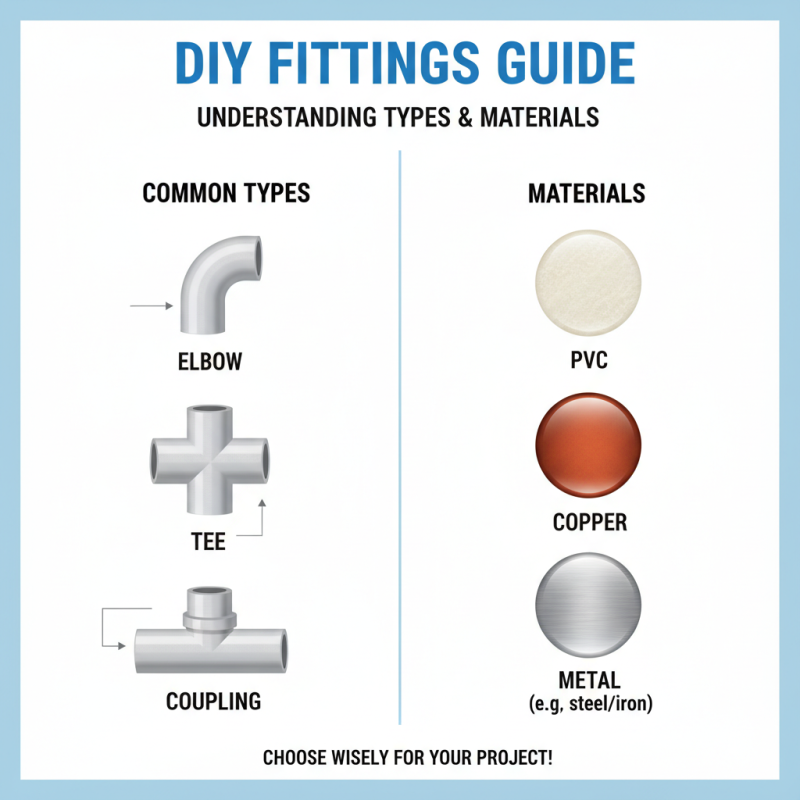
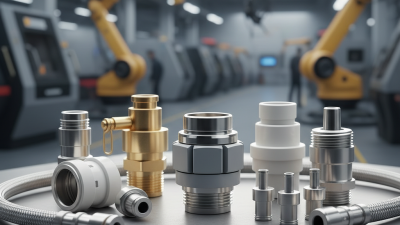
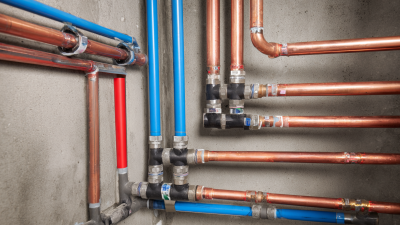
When engaging in DIY projects, selecting the right fittings is crucial. Various types of fittings are available, each serving different purposes. Common fittings include elbows, tees, and couplings. These pieces come in different materials like PVC, copper, and metal—tailor your choice to the project’s needs.
Tips: Consider the environment where your project will be. For outdoor projects, durable materials that resist weathering are essential. You might find that certain fittings are easier to handle than others. Some require special tools, which could complicate your work.
Another key detail is the size and compatibility of fittings. Measure existing pipes or materials accurately to avoid mismatches. An incorrectly sized fitting can lead to leaks or disrupt your project. Always keep extra fittings on hand for unexpected changes. This can save time and prevent frustration in the long run.
Assessing the Material Compatibility of Fittings for Your Needs
Choosing the right fittings for DIY projects can be daunting. The material compatibility of fittings is crucial for ensuring durability and functionality. You'll encounter various materials, such as PVC, metal, and rubber. Each has unique properties. For instance, metal fittings are often stronger but may rust. PVC, while lightweight and resistant to corrosion, can be less durable in extreme conditions.
Assess the environment where the fittings will be used. Are you working indoors or outdoors? Exposure to moisture, temperature changes, and chemical substances can affect your choice. For plumbing projects, ensure that the material can handle water pressure and temperature fluctuations. Fittings designed for specific applications generally provide peace of mind.
Don’t overlook the importance of testing compatibility. Even if a fitting appears suitable, it may fail under pressure or over time. Look for feedback from experienced DIYers. They can share insights on performance and longevity. Reflect on your choices and seek advice when uncertain. A well-informed decision can save time and resources in the long run.
Evaluating the Size and Dimensions of Fittings for Accurate Fit
Choosing the right fittings for your DIY projects means evaluating their sizes and dimensions carefully. Accurate measurements ensure that each component fits together precisely. Measure the outer and inner diameters of pipes or tubes. This way, you avoid the frustration of mismatched connections.
Tip: Always carry a reliable tape measure while shopping. It’s better to measure twice and buy once. You might find that the fitting looks right but doesn’t quite fit. This realization can lead to time wasted and extra trips to the store.
Consider the material of the fittings as well. Different materials affect compatibility. For example, PVC and metal fittings often cannot be mixed without proper adapters. Make a note of the specifications that apply to your project. Jot down a checklist of sizes and materials before you head out.
Tip: Take photos of existing fittings or draw diagrams. Visuals help avoid confusion and provide a great reference. Even experienced DIYers make mistakes when in a rush. Reflecting on your past projects can guide better decisions in the future.
Quick and Easy Fittings for DIY Projects
This chart displays the number of DIY projects based on different sizes of fittings. Choosing the right size is crucial for ensuring the accuracy and efficiency of your projects.
Determining the Ease of Installation for Quick DIY Fittings
When selecting fittings for your DIY projects, ease of installation is crucial. Quick fittings often save time and reduce frustration. Look for universal connectors; they simplify the process dramatically. Some fittings require specific tools, while others need just your hands. Assess what tools you already own before making any decisions. This ensures a smoother installation process.
Consider the material of the fittings too. Plastic fittings are lightweight and easy to work with but may not provide the durability of metal ones. If strength is a concern, opting for metal might be worth the extra effort. Remember, not all fittings are made equal. Some will fit seamlessly while others might require adjustments. This can lead to problems later, such as leaks or breaks.
Take the time to read instructions carefully. A rushed job can lead to mistakes, leading to project delays. While quick fittings aim to simplify tasks, improper installation creates complications. Always run through installation steps in your mind first. Visualize the process; this mental rehearsal can highlight potential pitfalls.
How to Choose Quick And Easy Fittings for Your DIY Projects? - Determining the Ease of Installation for Quick DIY Fittings
| Fitting Type |
Material |
Ease of Installation |
Recommended Tool |
Typical Use |
| Compression Fittings |
Brass |
Easy |
Wrench |
Plumbing |
| Push-fit Fittings |
Plastic |
Very Easy |
None |
Heating & Plumbing |
| Solder Fittings |
Copper |
Moderate |
Torch |
Welding |
| Threaded Fittings |
Steel |
Moderate |
Wrench |
Mechanical |
| Clamp Fittings |
Aluminum |
Easy |
Screwdriver |
Temporary Connections |