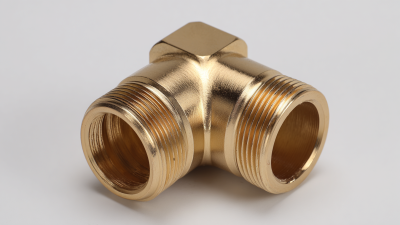
How to Choose the Right Brass Elbow for Your Plumbing Needs?

When selecting a Brass Elbow for plumbing, choices matter. Brass elbows are essential for directing water flow in pipes. They ensure that systems operate smoothly. According to industry data, over 70% of plumbers prefer brass due to its durability and resistance to corrosion.

Yet, not all brass elbows are created equal. Variations in quality can significantly affect performance. A poorly chosen elbow can lead to leaks or reduced water pressure. Reports indicate that improper fittings account for nearly 30% of plumbing issues.

Choosing the right Brass Elbow requires attention to detail. Factors like diameter, angle, and thread type are crucial. Mistakes during selection can be costly and time-consuming. Understanding these variables is key to successful plumbing projects. It's essential to take time and evaluate each option before making a decision.

How to Choose the Right Brass Elbow for Your Plumbing Needs?

Types of Brass Elbows and Their Applications in Plumbing

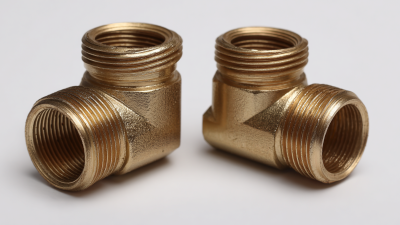
When choosing the right brass elbow for plumbing, understanding their types is essential. Brass elbows come in various styles. The most common types include 90-degree and 45-degree elbows. A 90-degree elbow changes the direction of pipes sharply, making it perfect for corner turns. On the other hand, the 45-degree elbow offers a smoother transition, reducing stress on the joints.

Tips:
Consider the overall layout of your plumbing. A proper selection aids in minimizing leaks. Use elbows that fit snugly to avoid gaps. Inspect the application to ensure you choose the appropriate angle.

Another important aspect is the size of the elbows. They must match the diameter of your pipes. Oversized elbows can cause flow problems. Undersized ones will lead to unwanted pressure buildup. Sometimes, it's okay to measure twice before making a purchase. You may find errors in your calculations that could cost you time.

Choosing the right brass elbow also depends on the material quality. Look for solid brass for durability. Beware of cheap options that might corrode quickly. Consider the long-term cost versus the initial investment. Small differences could lead to significant issues later. Make careful decisions that fit your project needs.
Factors to Consider When Selecting Brass Elbows for Your Project

How to Choose the Right Brass Elbow for Your Plumbing Needs?

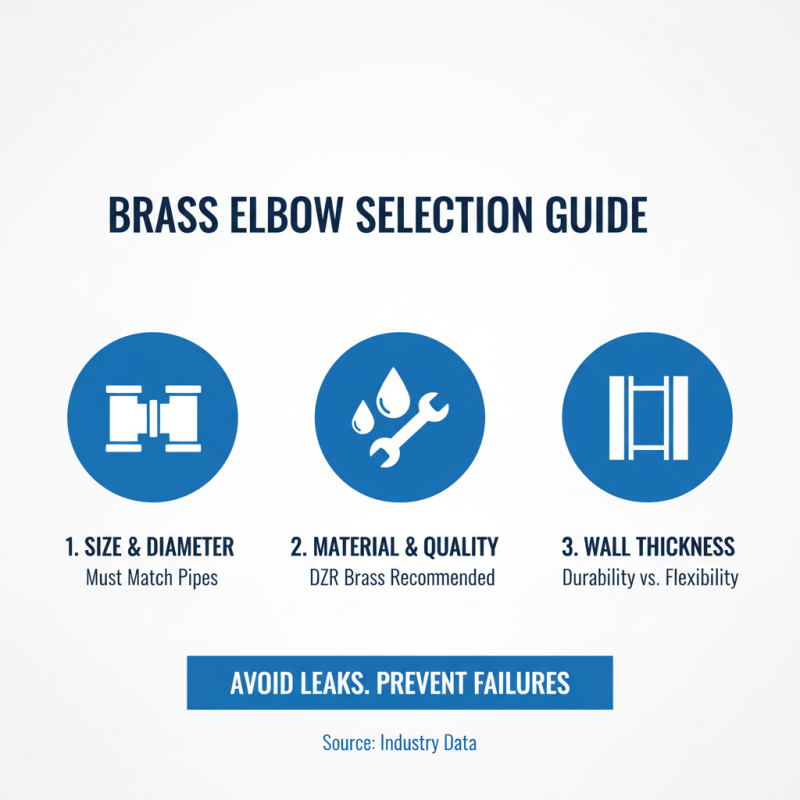
When selecting brass elbows for plumbing, several key factors come into play. The size and diameter of the elbow must match your existing pipes. A mismatch can lead to leaks and pressure issues. According to industry data, over 25% of plumbing failures stem from improper fittings. Consider the wall thickness as well. Thicker walls enhance durability but may affect flexibility.

Material quality matters significantly. High-quality brass resists corrosion and ensures longevity. A report from the Plumbing Manufacturers International states that fittings made from lead-free brass last 40% longer than standard options. Evaluate the connection type as well. Threaded connections are common, but solder types can offer a stronger seal in some applications.

Don’t ignore the environment where the elbows will be used. If installed outdoors, exposure to weather can affect performance. Yet, many overlook this and face premature wear. Maintenance also plays a role. Regular checks can help identify issues early. Remember, a cheap upfront choice may lead to costly repairs later. Always weigh short-term savings against long-term needs.

Size and Angle: How to Determine the Right Specifications for Brass Elbows

When choosing a brass elbow for plumbing, size is crucial. Measure the pipe's diameter where you will install the elbow. Most plumbing systems use standard sizes, but double-check to avoid mistakes. A small error can lead to leaks.

The angle of the elbow also matters. Common angles are 90-degree and 45-degree. A 90-degree elbow is ideal for tight corners, while a 45-degree elbow allows for a gentle bend. This can reduce stress on pipes. Consider the overall layout of your plumbing.

**Tips:** Always assess your plumbing needs. Buying a fitting that is too small or too large can cause problems. If unsure, consult a professional. Additionally, visualize the flow of water. Ensure the chosen elbow aligns with the water's path. Don't rush; the right fit can save you time and money later.

Quality and Durability: Evaluating Different Brass Materials for Plumbing

When selecting a brass elbow for plumbing, material quality is vital. Brass can vary significantly. Not all types are created equally. Some brass contains lead, which can pose health risks. Choosing lead-free brass is essential for safe plumbing solutions. Look for specifications that confirm its composition.

Durability is another key factor. Solid brass elbows offer better longevity than plated options. They resist corrosion and wear better under pressure. Yet, be mindful of the environment. High humidity can challenge even the best brass. Regular maintenance can extend their lifespan. Sometimes, the shiny finish may deceive. It may hide underlying weaknesses.

Budget is often a constraint. Cheaper options may seem tempting. However, investing in high-quality brass fittings pays off over time. They reduce the need for frequent replacements. In plumbing, quality equals reliability. Balance cost and durability carefully. Each choice has its own trade-offs and benefits.

Quality and Durability of Brass Materials for Plumbing Elbows

Installation Tips for Ensuring Proper Use of Brass Elbows in Plumbing Systems

How to Choose the Right Brass Elbow for Your Plumbing Needs?

When installing brass elbows in plumbing systems, proper techniques ensure longevity and functionality. Many plumbing failures arise from improper installation. According to industry reports, nearly 30% of plumbing issues stem from inadequate fittings.

To ensure a tight seal, use Teflon tape on threaded connections. This prevents leaks that can cause significant water damage. Don't over-tighten the joints; it can lead to cracking. A snug fit is effective yet prevents unnecessary strain.

Pay attention to the positioning of the elbows. Incorrect angles can cause flow restrictions. A perfect bend matters. Research shows that even slight deviations can reduce system efficiency by up to 15%. Regular inspections can help identify issues before they escalate, saving time and money in the long run.