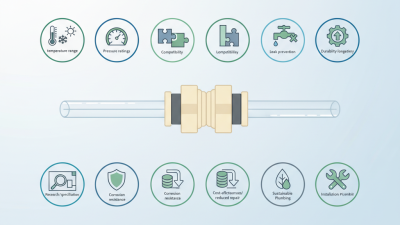
Choosing Ppsu Pex Fittings is about more than matching a pipe diameter. The fitting must suit the PEX system, operating conditions, and installation method. Start by confirming the pipe size and connection type, such as a press, expansion, or push-fit connection. These systems are not automatically interchangeable. Check the product’s pressure and temperature ratings against the project requirements, rather than relying on appearance or a general product description.
Look closely at the manufacturer’s technical documentation. It should identify compatible pipe, approved tools, installation steps, and any limits on use. For drinking-water projects, verify that the specific product is certified for that application. A tidy package label is not enough. If documentation is unclear, ask the supplier or a qualified plumbing professional before purchasing. Small details matter: a fitting that seems to fit may still be wrong for the tool or pipe system.
PPSU fittings are valued in plumbing applications, but material alone does not prove suitability. Consider the fitting’s design, connection quality, and the conditions it will face. Inspect parts for visible damage, and follow the specified installation procedure carefully. A poorly made connection can leak behind a wall, where a small oversight becomes an expensive repair. It is easy to focus on price or color; I would pause and check compatibility instead. There is no universal best fitting. The right choice is the one supported by clear specifications and a sound installation plan.
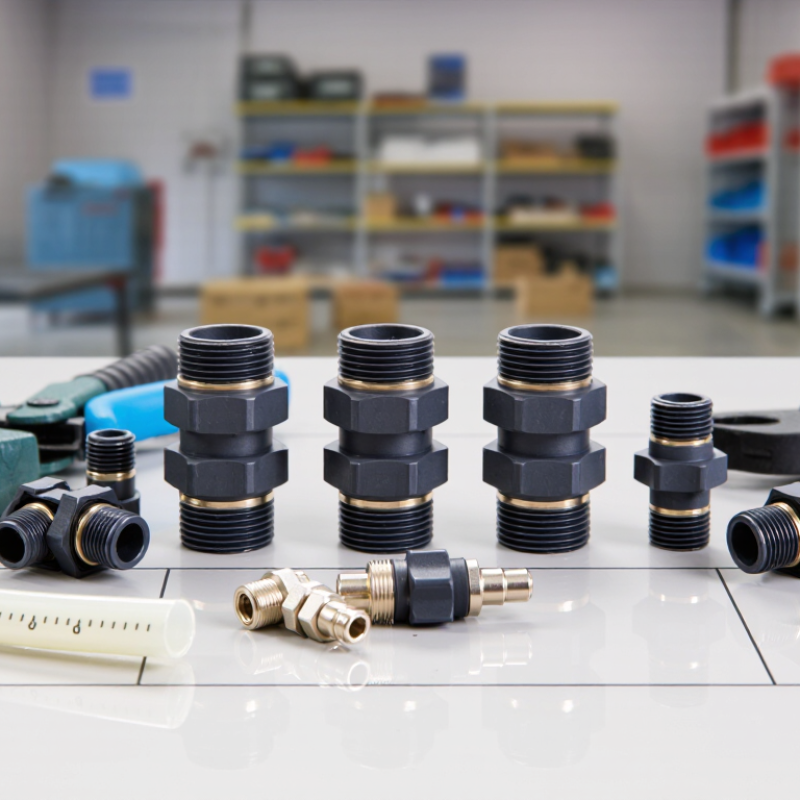
PPSU PEX fittings connect sections of PEX tubing and help direct water through a plumbing system. PPSU, or polyphenylsulfone, is a durable engineering plastic valued for heat resistance and resistance to corrosion. Its role is practical: create a secure connection while maintaining the intended flow path. It is not a substitute for choosing compatible tubing and a suitable joining method.
A fitting that looks right can still be mismatched. Check the tubing size, fitting design, and connection method before installation. Review the fitting’s rated pressure and temperature against the system’s expected conditions. A reliable connection also depends on clean, undamaged tubing and the correct installation tool. Small details matter. Follow the fitting instructions, and check applicable plumbing requirements. I would not assume every PPSU fitting works with every PEX system; that assumption is easy to make.
Tips: Keep fittings clean and protected from impact before installation. Inspect each connection for proper seating. If the instructions are unclear, pause and verify compatibility rather than forcing the parts together. A little caution helps.
Checking compatibility starts with the pipe, not the fitting’s material name. Confirm the PEX type, nominal size, wall thickness, and connection method. A PPSU fitting designed for expansion may not suit a crimp or clamp connection. They are not interchangeable by appearance. ASTM F877 covers PEX hot- and cold-water distribution systems, while ASTM F2159 addresses plastic insert fittings for PEX tubing. Check that the fitting’s stated standard and connection method match the pipe documentation.
Then inspect the pipe markings and fitting instructions side by side. ASTM F876-based PEX specifications commonly list ratings of 160 psi at 73.4°F, 100 psi at 180°F, and 80 psi at 200°F. These figures are not a blanket rating for every assembly; the system’s limits depend on its components and installation. Pay attention to the specified tool, ring, and calibration gauge. A loose-looking joint is not proof of incompatibility, but a mismatched ring or tool is a warning. I would recheck the markings before closing a wall. It is easy to miss. A small detail can matter.
Choosing PPSU PEX fittings starts with the connection method. Some systems use crimp or clamp connections; others use expansion fittings. Match the fitting to the tubing type and the installation tool specified for that system. Similar-looking parts are not always compatible. Fit matters.
Check the tubing’s printed size and the fitting’s stated size before buying. A mismatch can restrict flow or create a poor seal. Then compare pressure ratings at the expected water temperature. A rating listed for cool water may not apply at higher temperatures. Consider pressure changes during normal use, too. Do not guess.
Tips: Keep one labeled fitting beside the tubing while checking specifications. Inspect parts for cracks, and use the correct tool. I would still recheck every connection after installation; a quick visual check can miss a small leak. Follow the product instructions and applicable plumbing requirements for the project.
Choosing PPSU PEX fittings starts with the exact fitting, not just the resin name. Ask for traceable material documentation, batch identification, and test reports for the finished fitting.
Look closely.
ISO 15875 covers PEX piping systems for hot and cold water. For Class 2 service, it specifies 70°C for 49 years, 80°C for one year, and 95°C for 100 hours. This is a defined design profile, not a guarantee that every installation will last 50 years. The Plastics Pipe Institute’s PEX guidance likewise explains that pressure ratings rely on long-term hydrostatic testing and extrapolation. Check that the fitting’s published pressure and temperature limits match the project conditions.
Standards answer different questions.
ASTM F2159 addresses PEX insert fittings, while NSF/ANSI/CAN 61 evaluates health effects from contact with drinking water. A 61 certification alone does not establish mechanical performance.
That matters. Verify the certificate covers the precise fitting size, material, and intended use; listings can be easy to misread. Inspect molded surfaces for cracks, voids, or uneven edges, then confirm installation instructions specify the compatible tubing and joining method.
When documents conflict, pause and request clarification from the supplier. I would not treat a familiar resin label as a substitute for product-specific evidence.
How to Choose PPSU PEX Fittings?
Matching Fittings to Installation Conditions and Service Needs
Match each PPSU fitting to the pipe size, connection method, and working conditions. Check the complete system’s pressure and temperature ratings, not just the fitting material. The Plastics Pipe Institute’s TR-4 tables show that PEX pressure ratings depend on operating temperature. A rating at room temperature should not be assumed to apply to a hot-water line.
Consider the installation itself. In a tight cabinet, fitting dimensions and tool clearance matter; near a water heater, sustained heat and pressure deserve closer review. The U.S. Department of Energy recommends 120°F (49°C) as a typical water-heater setting for many homes. Actual service needs can differ, so confirm the fitting system’s published limits. ASTM F2159 covers plastic fittings for PEX tubing, but standard compliance alone does not replace checking the product’s specific rating. It’s easy to overlook that distinction.
Tips: Confirm pipe and fitting compatibility, connection-tool requirements, and pressure-temperature ratings before installation. Keep fittings accessible where practical. Small detail, big difference.
Match fitting selection to installation conditions and service needs. The chart shows relative decision priorities on a qualitative 1–5 scale; it is a selection aid, not measured product-performance data.
How to use it: Check the fitting’s documented temperature and pressure limits for the intended system, confirm compatibility with the PEX pipe and joining method, and verify applicable local code requirements. For concealed installations, also consider joint reliability and access for inspection. Always follow the fitting and system manufacturers’ instructions.