Ppsu Pex Fittings Tips for Optimal Plumbing Solutions
In the modern plumbing industry, the choice of materials directly impacts efficiency and durability. Ppsu Pex fittings have emerged as a leading option for innovative plumbing solutions. According to recent reports, Pex pipes can reduce installation time by nearly 50% compared to traditional systems. This efficiency extends to Ppsu Pex fittings, which offer enhanced chemical resistance and temperature tolerance.
However, the market is not without challenges. Many plumbers still struggle with proper installation techniques, leading to leaks or system failures. In fact, studies indicate that improper fittings account for nearly 30% of plumbing issues in residential settings. It's crucial for professionals to understand that while Ppsu Pex fittings present numerous benefits, they are not foolproof. Proper training and attention to detail can reduce these common pitfalls substantially.
Ultimately, embracing Ppsu Pex fittings can pave the way for superior plumbing solutions. Yet, continuous education and awareness of installation best practices remain essential. The plumbing landscape is evolving, and adapting to these changes is vital for long-term success.
Understanding Ppsu and Pex Materials in Plumbing
PPSU and PEX are gaining popularity in the plumbing world. PPSU, or polyphenylsulfone, is a high-performance thermoplastic. Its durability and resistance to high temperatures make it ideal for plumbing applications. PEX, short for cross-linked polyethylene, is flexible and resistant to corrosion. This quality allows for easy installation in various plumbing systems.
When considering these materials, it's crucial to focus on their limitations. For example, PPSU can be more expensive than traditional materials. Sometimes, installers may overlook its benefits due to cost. PEX, while flexible, can be susceptible to UV light. This can lead to degradation if not properly shielded. Understanding these nuances can prevent costly mistakes.
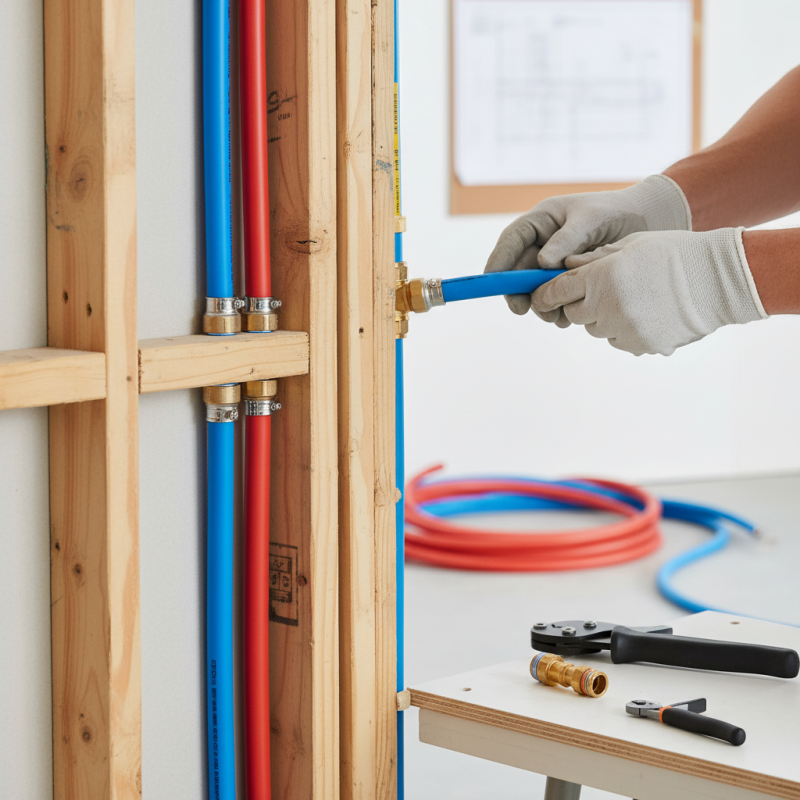
Installation techniques can also impact performance. Some plumbers may rush through PEX connections, leading to leaks. Proper crimping tools and techniques are essential for durability. With PPSU, ensuring the correct heat source during installation is vital. Missteps here may cause long-term issues. It's worth reflecting on these factors to ensure a successful plumbing project.
Ppsu Pex Fittings Tips for Optimal Plumbing Solutions
| Material Type |
Benefits |
Applications |
Temperature Resistance |
Pressure Rating |
| PPSU |
High temperature resistance, durability, chemical resistance |
Hot water systems, industrial applications, medical devices |
Up to 180°C (356°F) |
Up to 10 bar (145 PSI) |
| PEX |
Flexibility, resistance to scale and chlorine, reduced noise |
Residential plumbing, radiant heating, hydronic systems |
Up to 95°C (203°F) |
Up to 8 bar (116 PSI) |
Benefits of Using Ppsu Pex Fittings in Plumbing Systems
PPSU PEX fittings offer several advantages for plumbing systems. They are
lightweight yet durable, making them ideal for various applications.
These fittings resist high temperatures and corrosion.
This results in longer service life compared to traditional materials. Many plumbers appreciate the ease of installation.
Fewer tools are needed, which can save time during projects.
Moreover, PPSU PEX fittings have excellent flexibility. They can be bent to navigate tight spaces without
compromising flow efficiency. This flexibility also means fewer joints and connections. Less chance for leaks or failures occurs,
which can often be a concern.
Despite these benefits, users should be cautious of installation practices.
Improper fitting can lead to issues later.
Checking for compatibility is essential; not all systems will work seamlessly together.
Regular inspections can help identify potential problems early. Investing in quality fittings is important,
but proper installation is crucial as well.
Installation Tips for Ppsu Pex Fittings
When it comes to installing Ppsu Pex fittings, attention to detail can make a significant difference. These fittings are known for their durability and ease of use. According to industry research, properly installed Pex systems can last over 50 years. However, improper installation can lead to costly leaks and repairs.
One crucial tip is to ensure the pipe is cut straight. A clean cut helps achieve a tighter seal with the fitting. Additionally, make sure to use the correct crimping tool. Inaccurate crimping can result in joint failures. Studies show that up to 60% of plumbing issues originate from poor workmanship in fittings.
Temperature control is vital during installation. Ppsu expands with heat, and failing to account for this can lead to fittings loosening over time. Be aware of the ambient temperature while working. The ideal range is between 60°F to 100°F. Overlooking this small detail may lead to significant issues down the line. Mistakes happen, even among professionals. Take time to review each step for consistency. Careful practices can prevent the common pitfalls in plumbing.
Common Issues and Solutions with Ppsu Pex Fittings
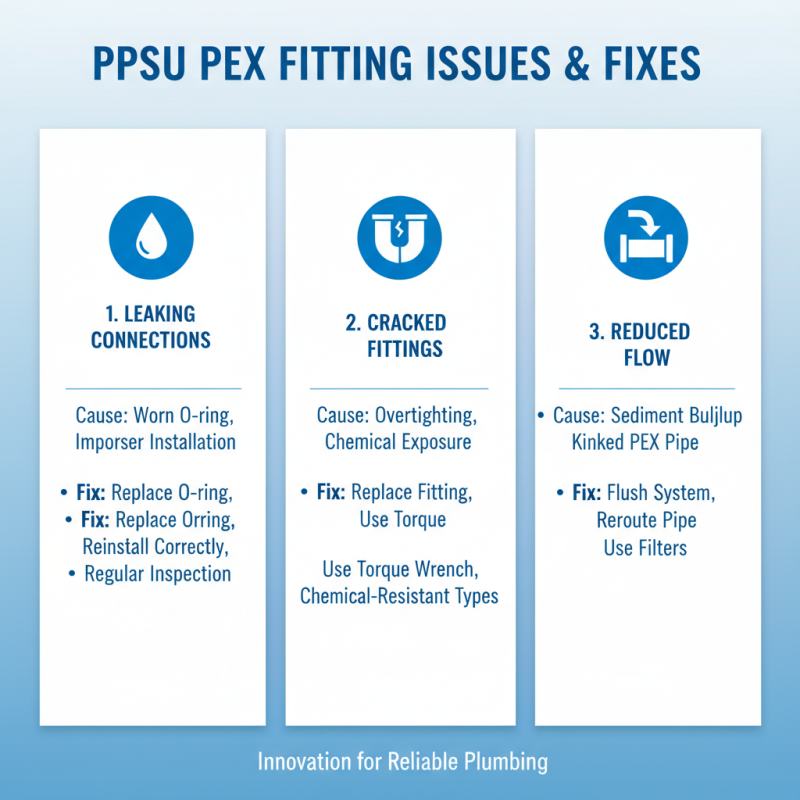
PPSU PEX fittings offer an innovative solution for plumbing systems. However, common issues can arise, impacting their performance. One frequent problem is leaking connections. A worn-out O-ring or improper installation can lead to leaks. Regularly inspecting fittings can help catch these issues early.
Tips to prevent leaks include ensuring fittings are clean before connection. Applying a small amount of lubrication can also aid in achieving a tight fit. When you notice any signs of wear, it's wise to replace the fittings promptly. Waiting can lead to more significant damage and costly repairs.
Another common issue is temperature sensitivity. Extreme heat or cold can affect PEX fittings. It is crucial to consider the environment when choosing these fittings. For outdoor plumbing, insulation is vital. Insulating exposed pipes can prevent cracks in cold weather. During hot seasons, ensure the fittings are not exposed to direct sunlight for long periods. Ignoring these factors may result in premature failure.
Maintenance Best Practices for Ppsu Pex Plumbing Systems
Proper maintenance of PPSU PEX plumbing systems is crucial. Regular inspections can help identify small leaks before they become large problems. Check fittings and joints for any signs of wear. Replace damaged parts promptly to avoid water damage. Many people neglect these tasks, which can lead to costly repairs. Don't be one of them.
Cleaning is essential. Use a gentle cleanser to remove buildup from pipes. Avoid harsh chemicals that can damage the fittings. Frequent maintenance extends the life of your plumbing. It's easy to overlook this routine, especially in busy households. A quick check every few months can save you trouble later on.
Pay attention to temperature changes. Extreme heat or cold can affect your PEX system. Insulate pipes in unheated areas during winter. On the other hand, avoid exposing them to extreme heat sources. People often forget these details, only realizing their importance when issues arise. Keeping your plumbing in good shape requires ongoing effort and awareness.