Top 5 PVC Pipe Fittings Trends at 2026 Canton Fair?
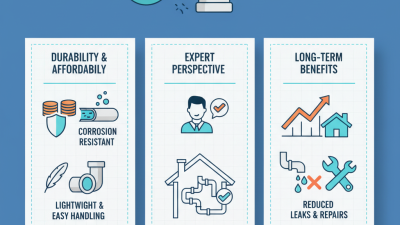
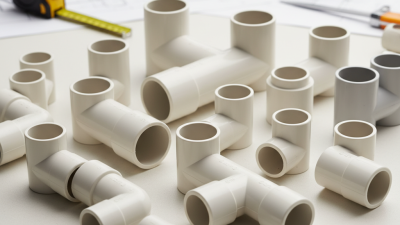
As the 2026 Canton Fair approaches, the focus on PVC Pipe Fittings is gaining momentum. Recent industry reports indicate that the global PVC fittings market is projected to grow at a CAGR of 5% from 2023 to 2028. This growth reflects the rising demand in construction and plumbing sectors. Features like durability and resistance to corrosion make PVC pipe fittings an essential choice for many applications.
The Canton Fair will showcase innovative products, including advanced PVC fittings designed for efficiency. Buyers can use AI-powered tools to find suppliers meeting international standards like ISO and CE certifications. These tools will enhance their search experience significantly, offering precise navigation through the vast 1.55 million square meters of exhibition space.
Despite the advancements, challenges remain. Quality variations among suppliers can lead to inconsistencies in fittings. It is crucial for buyers to critically evaluate their options. As trends evolve, embracing new technologies will be vital for manufacturers seeking to stay competitive. Overall, the 2026 Canton Fair stands as an opportunity to explore the future of PVC Pipe Fittings in a changing market landscape.

Emerging Trends in PVC Pipe Fittings at the 2026 Canton Fair
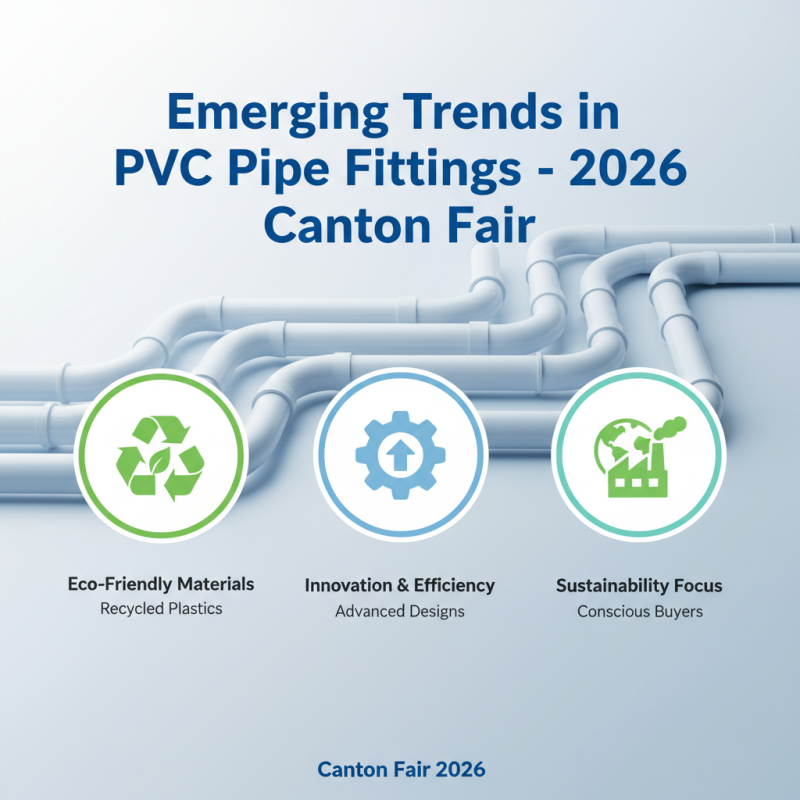
The 2026 Canton Fair is poised to showcase some exciting trends in PVC pipe fittings. Innovation is at the forefront this year. Manufacturers are focusing on eco-friendly materials. Sustainability is becoming essential. Expect many products made from recycled plastics. These new materials are gaining traction among environmentally conscious buyers.
One notable trend is the push for modular fittings. This design allows for easy assembly and disassembly. It simplifies installations and maintenance. People appreciate how modular fittings save time and reduce waste. They are looking for products that are versatile and efficient.
Here are some tips for navigating the fair: Bring a notepad to jot down insights. Engage with manufacturers to learn about their innovations. Take photos of products you find intriguing. Reflect on how these trends can influence your own projects. As always, evaluate the practicality of each product. Not every trend may suit your needs. Stay focused on what truly aligns with your goals.
Sustainability Practices Impacting PVC Pipe Fittings Market Growth
The future of PVC pipe fittings hinges on
sustainability practices.
As environmental concerns grow, manufacturers are rethinking production methods. They focus on
reducing plastic waste. This shift influences market trends significantly.
Companies are exploring biodegradable materials. The production
processes are being modified to minimize carbon footprints.
At the 2026 Canton Fair, the innovations in this area are likely to be prominent.
Bio-based additives and recyclability of fittings
will be critical topics. However, the challenge remains. Many businesses lack awareness of sustainable practices.
The industry must educate manufacturers and consumers alike.
It's crucial to create guidelines and best practices.
Consumers also play a role in driving change. Their demand for greener options
is rising. Yet, there is hesitation. Some buyers still prioritize cost over sustainability.
This creates a dilemma for manufacturers. Balancing cost-effectiveness with environmental responsibility is tough.
The upcoming fair can highlight these contrasts and drive conversations forward.
Innovative Designs in PVC Pipe Fittings: A Focus on Functionality
The 2026 Canton Fair is set to showcase cutting-edge innovations in PVC pipe fittings. The focus is on enhancing functionality while maintaining durability. Many designs prioritize ease of installation. This aspect has transformed how plumbers approach their work.
One emerging trend is the use of modular fittings. These components connect easily, simplifying adjustments. They reduce the need for extensive tools. Some designs even feature color-coded elements. This helps streamline the selection process during installation, though not everyone may find it intuitive right away.
However, innovation does come with challenges. Some users report difficulty in adapting to new designs. Feedback indicates a need for thorough user guides. Functionality remains key, yet the balance between innovation and usability is delicate. Improved aesthetics also play a role, attracting attention at the fair. Still, not all innovations resonate with every professional. More research into user experiences will further refine these designs. The future holds promise, but the journey to perfection is ongoing.
Technological Advancements Driving PVC Pipe Fitting Production Efficiency
The PVC pipe fittings industry is witnessing remarkable transformations. These changes stem from technological advancements that boost production efficiency. For instance, automated manufacturing processes have increased output by 30% in the last three years. The integration of smart technologies makes production more streamlined. However, some manufacturers struggle to keep pace with these innovations.
Using advanced materials is becoming a trend. New formulations enhance durability and reduce costs. Reports indicate that high-performance PVC fittings can withstand harsh conditions. This shift towards innovation can lead to improved environmental sustainability, but the implementation is not easy for everyone. Many companies face challenges adapting to these new standards.
Training staff to use new technologies is crucial. Lack of skilled labor can hinder growth. A recent report shows that 40% of firms cite workforce issues as a barrier to adopting new tech. While progress is evident, the gap between advanced and traditional methods remains significant. Bridging this gap is essential for the future of the industry.
Market Demand Analysis: The Role of PVC Pipe Fittings in Global Infrastructure
PVC pipe fittings play a vital role in global infrastructure. As cities grow and utilities expand, the demand for durable and versatile materials increases. These fittings provide a reliable solution for water supply, drainage, and electrical conduits. New trends show a rise in environmentally friendly materials, highlighting an industry shift towards sustainability. This trend is crucial as raw material sourcing becomes more scrutinized.
In addition to sustainability, PVC fittings are becoming more innovative. Manufacturers are exploring new designs that enhance efficiency and reduce waste. However, it's important to recognize the gaps in recycling capabilities for PVC. Many regions still lack adequate facilities, leading to waste issues. This could tarnish the benefits of using PVC in infrastructure.
The 2026 Canton Fair will showcase these evolving trends. Expected discussions will focus on how to further enhance the lifecycle of PVC products. There is also a need for improved standards in quality control. Ensuring reliability should not be overlooked amid the rush for new designs. The market must balance innovation with responsible practices to fully capitalize on PVC's potential in infrastructure development.