Top 10 Quick And Easy Fittings for Global Buyers?
In today’s competitive marketplace, global buyers face unique challenges in sourcing efficient solutions. Quick And Easy Fittings have emerged as a preferred choice for many, offering versatility and simplicity in design. Industry data from the Global Pipe Fitting Market Report shows that demand for such fittings has surged by approximately 15% over the past two years. This trend highlights the need for reliable fittings that not only save time but also enhance operational efficiency.
Manufacturers are responding to this demand by innovating and adapting their products. Quick And Easy Fittings can be installed without special tools, reducing labor costs. A 2022 report indicated that labor expenses can account for almost 30% of total project costs in plumbing and construction. Furthermore, these fittings prove effective in diverse applications, from residential to industrial settings. However, it’s crucial to select suitable materials to prevent leaks and failures.
Despite their advantages, buyers must be cautious. Quality assurance and specifications can vary significantly across different suppliers. Making informed decisions is essential. The right Quick And Easy Fittings not only improve workflow but can also lead to sustainable practices in projects.
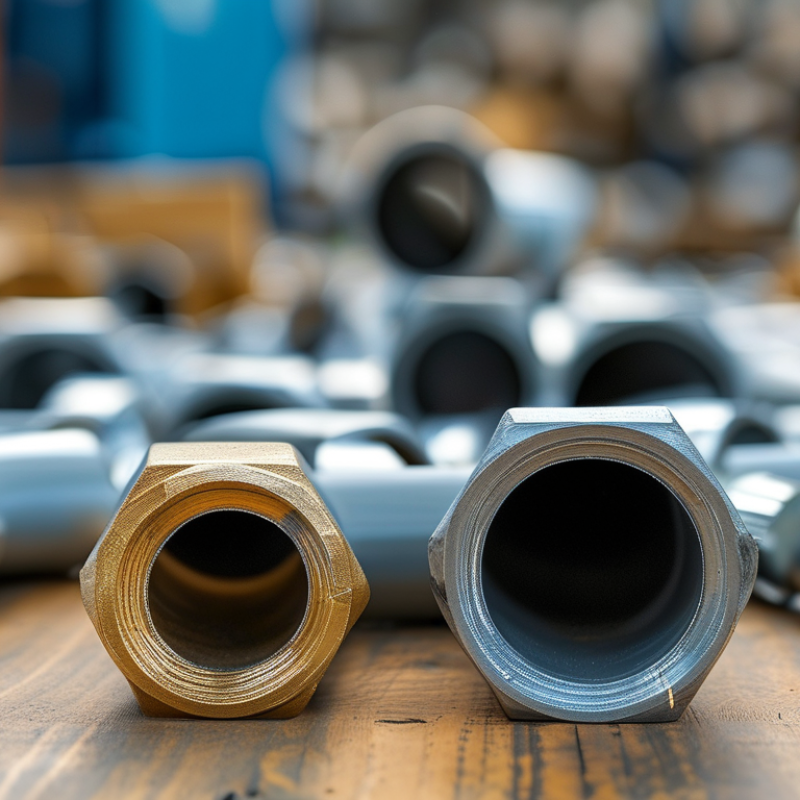
Essential Considerations for Selecting Fittings for Global Buyers
When selecting fittings for global markets, various factors come into play. Understanding material compatibility is crucial. Different regions may use specific materials due to environmental conditions. It’s wise to evaluate these aspects before finalizing your choice.
Tips: Always test materials for durability. Verify how they perform under diverse conditions.
Quality standards vary worldwide. Familiarize yourself with local regulations related to fittings. Meeting these standards is not merely a formality; it ensures product safety and customer satisfaction. Ignoring this can lead to significant issues.
Tips: Engage local experts for insights. Their knowledge can help avoid costly errors.
Lastly, consider the supply chain logistics. Delays in shipping fittings can disrupt entire projects. Documentation and customs clearance also require attention. Poor planning can lead to unsatisfied customers or lost contracts.
Tips: Create a reliable timeline for procurement. Regularly update it based on real-world factors.
Top 10 Quick Install Fittings for Different Applications
When it comes to quick-install fittings, different applications demand specific solutions. These fittings can streamline processes and improve efficiency in plumbing, hydraulic, or industrial projects. A simple compression fitting can connect pipes quickly and provide a tight seal, reducing leaks. These fittings are user-friendly, making them ideal for DIY enthusiasts and professionals alike.
In hydraulic systems, push-to-connect fittings are gaining popularity. These fittings allow for rapid installation without the need for additional tools. The ease of connection enhances productivity on the job site. However, improper selection can lead to failures. Knowledge of the correct application is crucial.
In plumbing, swivel fittings offer versatility. They allow for rotation, making installations easier in tight spaces. While they simplify adjustments, they may introduce weak points if not used correctly. Understanding the specific demands of your project helps prevent issues down the line. Exploring various fittings based on your needs can lead to better outcomes.
Key Materials Used in Quick Fittings: Pros and Cons
Quick fittings play a crucial role in various industries. Understanding the materials used can help buyers make informed decisions. Common materials include plastic, brass, and stainless steel, each with its unique advantages and drawbacks.
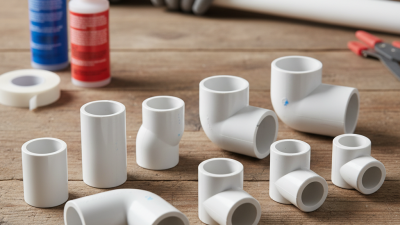
Plastic fittings are lightweight and resistant to corrosion. They are ideal for low-pressure applications. However, they may not hold up under high temperatures or considerable pressure. Some users find they wear out faster than metal options.
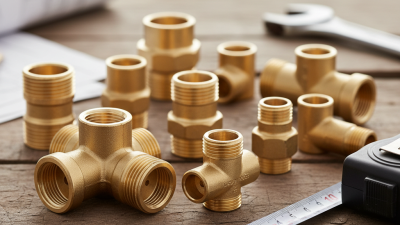
Brass fittings offer excellent durability and resistance to rust. They are favored in plumbing applications. Yet, brass can be prone to dezincification in certain conditions. This can lead to structural weaknesses over time.
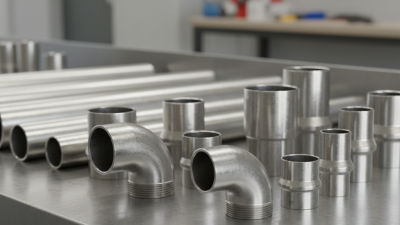
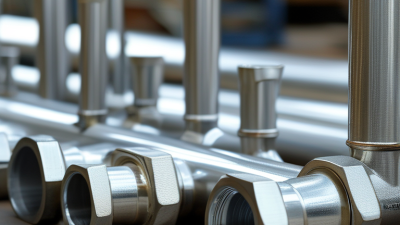
Stainless steel fittings are incredibly strong and versatile. They excel in high-pressure situations but may be more expensive than other options. Each material has its place, and considering these factors will help you choose the right fitting for your needs.
Understanding International Standards for Fitting Compatibility
When considering fittings for global buyers, understanding international standards is crucial. Compatibility of fittings across different regions often relies on adhering to these standards. Each country may have specific measurements, materials, and regulations for fittings. Buyers need to be aware of these variations to avoid unnecessary complications.
For instance, the dimensions of pipes can differ significantly from one country to another. A fitting that seems ideal in one location may not work at all elsewhere. Ensure that you check technical data sheets meticulously. This practice helps mitigate risks associated with improper fitting compatibility.
Experience in sourcing fittings teaches us that communication is key. Often, buyers overlook the importance of detailed specifications. In some cases, even minor discrepancies can lead to major issues. Always question and verify information received from suppliers to avoid unpleasant surprises. This careful approach fosters trust and reliability in international transactions.
Tips for Sourcing Quality Fittings from Global Suppliers
Sourcing quality fittings from global suppliers requires careful consideration. The industry sees an estimated growth rate of 4.5% annually, underscoring the demand for reliable products. According to a recent study by Industry Research, nearly 30% of buyers prioritize quality over price. This highlights the need for detailed evaluations when selecting suppliers.
When approaching global markets, communication is crucial. Many suppliers may not fully understand the specific requirements of foreign buyers. Language barriers and cultural differences can lead to misunderstandings. Establishing clear channels of communication mitigates these risks. A report from Global Sources revealed that 68% of sourcing issues stem from inadequate communication.
It is also essential to verify supplier credentials. Relying solely on online reviews may be misleading. Face-to-face meetings, when possible, can significantly enhance trust. Additionally, obtaining samples before bulk orders helps buyers assess quality. A study indicated that 25% of fittings fail to meet expectations due to lack of thorough inspection. These insights emphasize the importance of diligence in the sourcing process.