What is Stainless Steel Pipe Fittings and Their Uses?
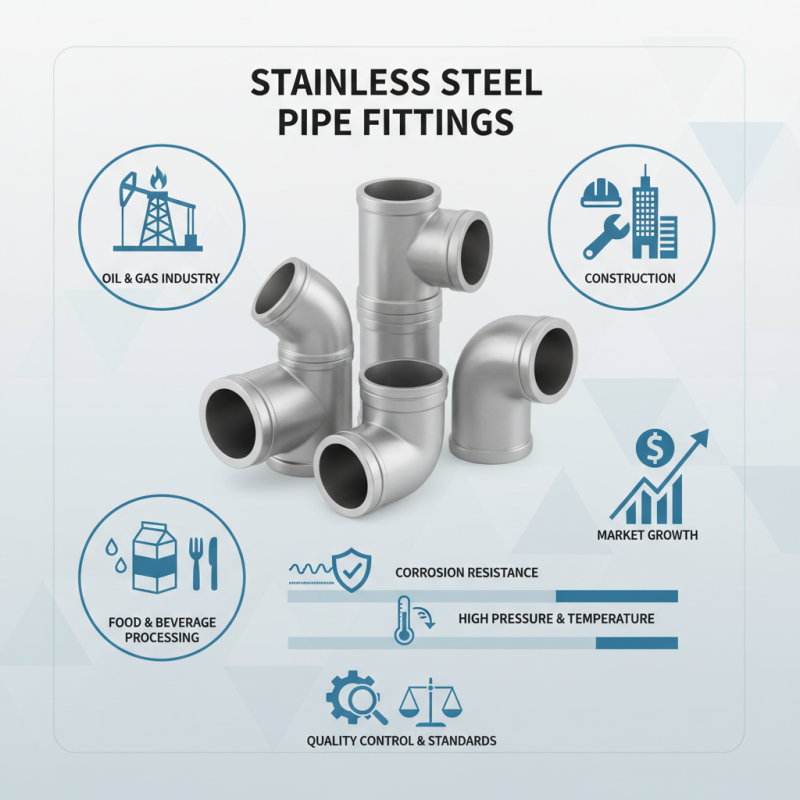
Stainless Steel Pipe Fittings are essential components in various industrial applications. According to a report by Market Research Future, the global market for stainless steel fittings is projected to grow significantly, reaching over $15 billion by 2025. This growth is driven by the increasing demand for corrosion-resistant materials in industries like oil and gas, construction, and food processing.
These fittings, known for their durability and strength, play a vital role in ensuring safe and efficient fluid transport. The versatility of stainless steel makes it an ideal choice for high-pressure and high-temperature environments. For instance, food-grade stainless steel fittings are critical in maintaining hygiene in food and beverage industries. However, not all stainless steel fittings are created equal; their effectiveness can vary based on alloy composition and manufacturing processes.
Despite their advantages, challenges remain. Many manufacturers struggle with quality control, leading to inconsistencies in performance. Effective implementation of standards and certifications can help mitigate such risks. Thus, understanding the nuances of Stainless Steel Pipe Fittings is crucial for industries reliant on their performance and longevity.
Definition and Composition of Stainless Steel Pipe Fittings
Stainless steel pipe fittings are crucial components in many industries. They primarily connect sections of piping, helping to control flow and ensure system integrity. The composition of stainless steel typically includes iron, carbon, and a minimum of 10.5% chromium. This blend provides corrosion resistance and durability, making it suitable for various applications. According to the Global Stainless Steel Pipe Fittings Market report, the demand for these fittings is projected to grow significantly, estimated at over 5% annually.
These fittings come in various types, such as tees, elbows, and flanges. Each type serves a specific purpose in plumbing and industrial systems. For instance, a stainless steel elbow changes the direction of flow with minimal pressure loss. The strength of stainless steel allows these fittings to withstand high pressure and temperature. However, improper installation can lead to leaks or failures. Ensuring proper practices is essential for long-term reliability.
Despite their advantages, stainless steel fittings can be costly. The high initial investment may deter some projects. However, their longevity can offset this cost over time. Industry experts stress the importance of quality over price. Poor-quality fittings can lead to system failures, resulting in higher maintenance costs. Therefore, understanding the composition and application of stainless steel pipe fittings is vital for effective system design.
Types of Stainless Steel Pipe Fittings and Their Characteristics
Stainless steel pipe fittings are essential components in various plumbing and industrial systems. They connect pipes, enabling the flow of liquids and gases. Understanding the different types of fittings can greatly enhance system performance.
Common types include elbows, tees, and reducers. Elbows change the pipe direction, while tees create branches in a pipeline. Reducers adjust the pipe diameter for specific flow rates. Each fitting has unique characteristics determined by material grade and shape. For example, some fittings excel in high temperatures, while others resist corrosion better.
Tips: Always select the right fitting type for the application. Miscalculating pipe sizes can lead to leaks or system failures. Additionally, consider the environment where the fittings will be used.
Another crucial aspect is maintenance. Regularly check for signs of wear or corrosion. It’s easy to overlook these factors, but they can lead to significant issues. Investing time in inspection can prevent costly repairs.
Stay informed about the latest installation techniques and material advancements. Staying updated helps maintain the reliability of your systems. Remember, the wrong fitting can compromise the entire setup.
Common Applications of Stainless Steel Pipe Fittings in Industries
Stainless steel pipe fittings play a crucial role in various industries. They are widely used in construction, oil and gas, and food processing. According to industry reports, stainless steel accounts for nearly 60% of the pipe fitting market. This is due to its corrosion resistance and durability.
In the oil and gas sector, stainless steel fittings are essential. They ensure secure connections, preventing leaks in harsh environments. A report from the International Energy Agency highlights that 70% of offshore pipelines utilize stainless steel components. This speaks to its importance in maintaining safety and efficiency.
Food processing also benefits from stainless steel fittings. The material resists bacteria and is easy to clean. According to the U.S. Department of Agriculture, 80% of food processing facilities use stainless steel systems to comply with health regulations. However, discrepancies in quality can arise, requiring industrial audits to ensure all fittings meet safety standards. Attention to detail is vital in these applications, as even minor defects can lead to significant issues.
Advantages of Using Stainless Steel Pipe Fittings over Other Materials
Stainless steel pipe fittings are crucial components in various plumbing and industrial applications. They offer exceptional strength, corrosion resistance, and longevity compared to other materials. One significant advantage is their durability. Stainless steel can withstand high temperatures and pressures, making it ideal for demanding environments.
Another key benefit is their resistance to rust and staining. This property ensures that fittings maintain their integrity over time. In spaces where hygiene is vital, stainless steel is a preferred choice. It is easy to clean and sanitize, which is invaluable in healthcare and food processing industries.
Tip: When selecting stainless steel fittings, consider the grade. Higher grades offer better resistance to corrosion but may come at a higher cost.
Cost is often a concern. Stainless steel may have a higher initial price but reduces long-term maintenance and replacement costs. Choosing these fittings can lead to savings over time.
Tip: Evaluate the specific environment where the fittings will be used. Different environments may require different grades and types of stainless steel.
While stainless steel is robust, improper installation can lead to damage. Ensure professionals handle installation to avoid potential issues. This step can save time and money in the long run.
What is Stainless Steel Pipe Fittings and Their Uses? - Advantages of Using Stainless Steel Pipe Fittings over Other Materials
| Dimension |
Material |
Usage |
Advantages |
| 1/2 inch |
Stainless Steel |
Hydraulic Systems |
Corrosion Resistance |
| 3/4 inch |
Stainless Steel |
Water Supply |
Durability |
| 1 inch |
Stainless Steel |
Gas Lines |
High Temperature Resistance |
| 1-1/4 inch |
Stainless Steel |
Food Processing |
Hygiene |
| 1-1/2 inch |
Stainless Steel |
Industrial Applications |
Aesthetic Appeal |
Installation and Maintenance of Stainless Steel Pipe Fittings
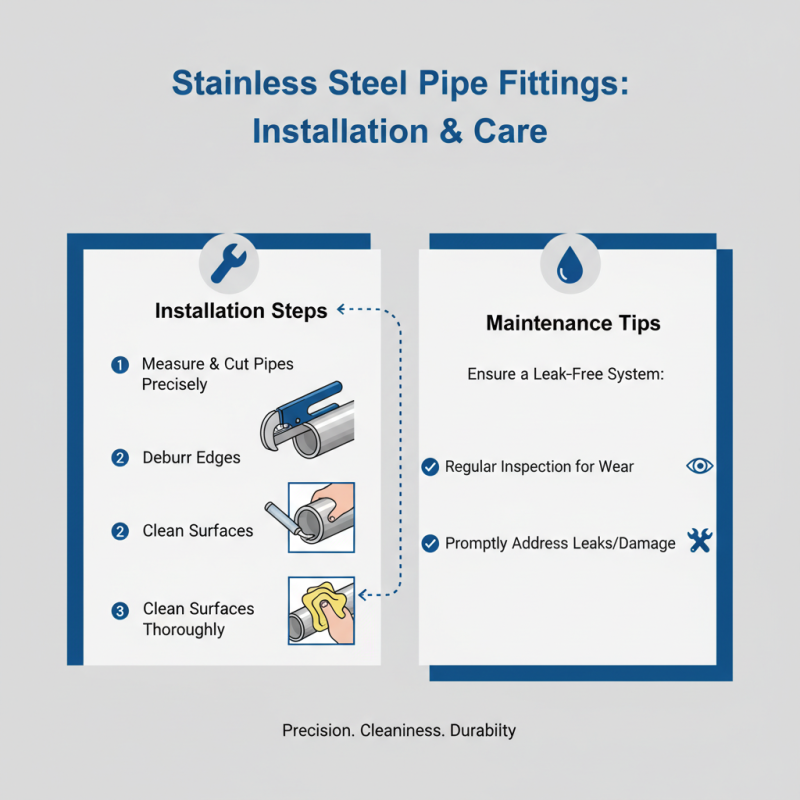
When installing stainless steel pipe fittings, precision is crucial. Start by ensuring that each pipe is cut at the correct length. This avoids gaps that can lead to leaks. Use a pipe cutter for clean, straight edges. Be careful to remove any burrs after cutting. After this, you'll want to prepare the surface. Cleaning is key. Any dirt or grease can interrupt the seal.
During the fitting installation, apply an appropriate lubricant to ensure a smooth connection. Tightening should be done evenly. Over-tightening can damage the threads, while under-tightening might result in leaks. A torque wrench can offer the necessary precision here. It can help prevent issues caused by human error. Installations done under less than ideal conditions may require adjustments later.
Maintenance involves regular inspections. Look for signs of corrosion or damage. Even stainless steel can experience wear. Addressing issues early can saved resources later. Remember, even small leaks can escalate. Developing a routine maintenance schedule is beneficial. This will help extend the life of the fittings. Each step contributes to system efficiency.