What is Stainless Steel Pipe Fittings and Their Applications in Plumbing
Stainless Steel Pipe Fittings are essential components in the plumbing industry, offering durability and corrosion resistance that standard materials often lack. As plumbing systems evolve, the significance of high-quality fittings cannot be overstated. John Smith, a seasoned expert in the manufacturing and installation of plumbing systems, emphasizes this point by stating, "The longevity and reliability of a plumbing system are heavily dependent on the quality of its fittings." This highlights the critical role that Stainless Steel Pipe Fittings play in ensuring systems remain functional and efficient over time.
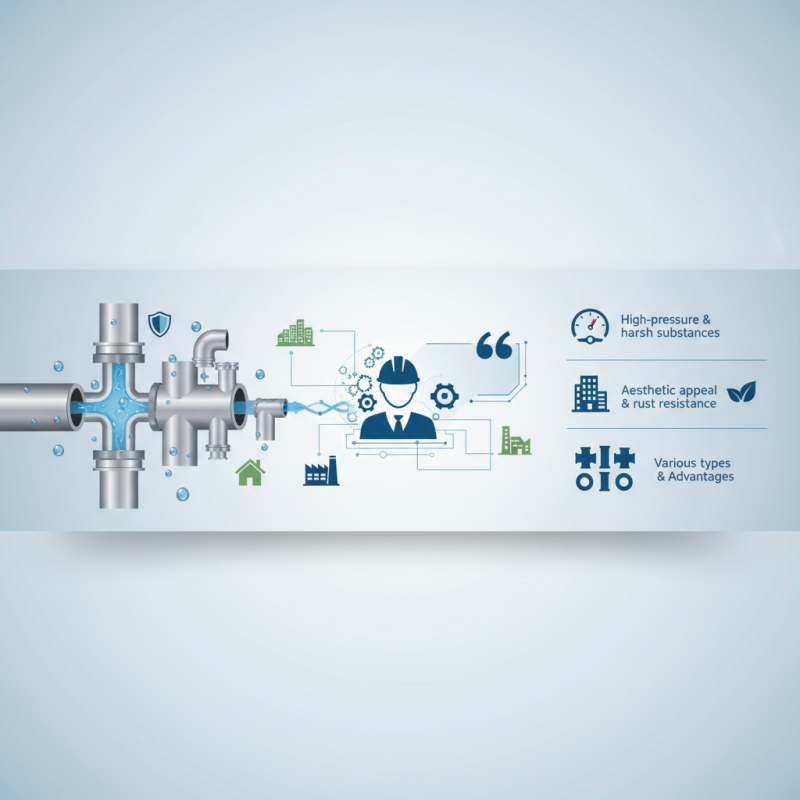
With a wide array of applications, Stainless Steel Pipe Fittings are utilized in commercial, industrial, and residential plumbing projects. Their robustness makes them ideal for handling high-pressure environments and harsh substances, which are often encountered in industrial settings. Moreover, the aesthetic appeal of stainless steel, combined with its resistance to rust and staining, makes it a favorite among architects and builders alike. As we delve deeper into the topic, we will explore the various types of Stainless Steel Pipe Fittings, their characteristics, and the advantages they offer in modern plumbing applications.
What are Stainless Steel Pipe Fittings?
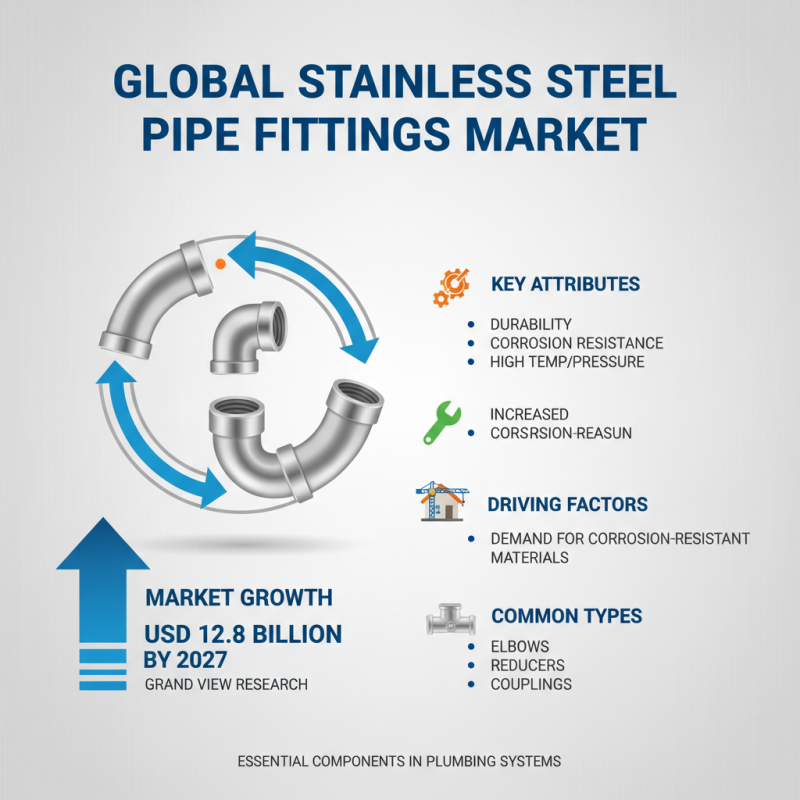
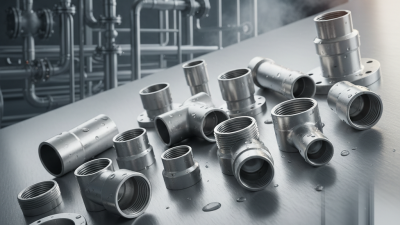
Stainless steel pipe fittings are essential components within plumbing systems, renowned for their durability, resistance to corrosion, and ability to withstand high temperatures and pressures. These fittings come in various shapes and sizes, including elbows, tees, reducers, and couplings, that facilitate the joining of multiple pipe sections and redirecting fluid flow. According to a report by Grand View Research, the global market for stainless steel fittings is projected to reach USD 12.8 billion by 2027, driven by increased construction activities and heightened demand for corrosion-resistant materials in plumbing systems.
In plumbing applications, stainless steel pipe fittings are particularly valued in both residential and industrial settings. Their resistance to rust and chemical damage makes them suitable for carrying drinking water, wastewater, and various chemicals. A study from Research and Markets noted that the increasing emphasis on sustainability and the use of recyclable materials has led to a growing preference for stainless steel fittings over traditional materials like PVC and copper. As plumbing regulations become more stringent, the long lifespan and low maintenance associated with stainless steel fittings make them an attractive option for modern infrastructure projects.
Types of Stainless Steel Used in Pipe Fittings
Stainless steel pipe fittings are essential components in plumbing systems, providing durability, corrosion resistance, and structural integrity. There are several types of stainless steel used in these fittings, each designed to meet specific requirements of various applications. The most commonly used stainless steels for pipe fittings include austenitic, ferritic, and duplex stainless steels.
Austenitic stainless steel, known for its excellent corrosion resistance and formability, is often used in environments where cleanliness is crucial, such as in food and beverage industries. Ferritic stainless steel offers good oxidation resistance and is typically used in less corrosive settings. Lastly, duplex stainless steel combines elements of both austenitic and ferritic steels, providing enhanced strength and corrosion resistance, making it suitable for harsh environments like chemical processing.
Tips: When selecting stainless steel pipe fittings, consider the intended application and environment. For outdoor or highly corrosive conditions, opt for fittings made from duplex stainless steel for superior resistance. Always check compatibility with the piping system to ensure a secure fit and prevent leaks.
Common Applications of Stainless Steel Pipe Fittings in Plumbing
Stainless steel pipe fittings are essential components widely used in plumbing systems due to their durability, resistance to corrosion, and aesthetic appeal. Commonly found in residential and commercial plumbing applications, these fittings are utilized in structuring and connecting pipes for water distribution, drainage, and gas supply systems. Their robust nature makes them ideal for high-pressure areas and environments where moisture exposure is prevalent.
In residential plumbing, stainless steel pipe fittings are often used in water supply lines, ensuring safe and clean drinking water. Additionally, they are prevalent in kitchen and bathroom applications, connecting sinks, showers, and appliances. In commercial settings, such as restaurants and hospitals, these fittings are crucial for maintaining hygiene standards as they do not rust or leach harmful substances. Furthermore, stainless steel fittings are also employed in industrial settings, where they provide reliable performance in processing plants and factories that handle various fluids and gases, further highlighting their versatility and resilience in diverse plumbing applications.
Advantages of Using Stainless Steel Pipe Fittings
Stainless steel pipe fittings offer numerous advantages that make them a popular choice in plumbing applications. One of the primary benefits is their exceptional corrosion resistance. Unlike other materials, stainless steel can withstand exposure to water, chemicals, and various environmental factors without deteriorating. This durability extends the lifespan of plumbing systems and reduces the need for frequent replacements or repairs, resulting in long-term cost savings.
Another significant advantage of stainless steel fittings is their strength and reliability. They can handle high pressure and extreme temperatures, making them suitable for both residential and industrial applications. The robust nature of stainless steel ensures that these fittings maintain their integrity in challenging conditions, providing peace of mind for homeowners and professionals alike. Additionally, stainless steel is also an environmentally friendly option due to its recyclability, aligning with sustainable practices in modern plumbing solutions.
Stainless Steel Pipe Fittings Usage in Plumbing
This chart illustrates the advantages of using stainless steel pipe fittings in plumbing applications, showing the percentage of usage based on different benefits.
Installation and Maintenance of Stainless Steel Pipe Fittings
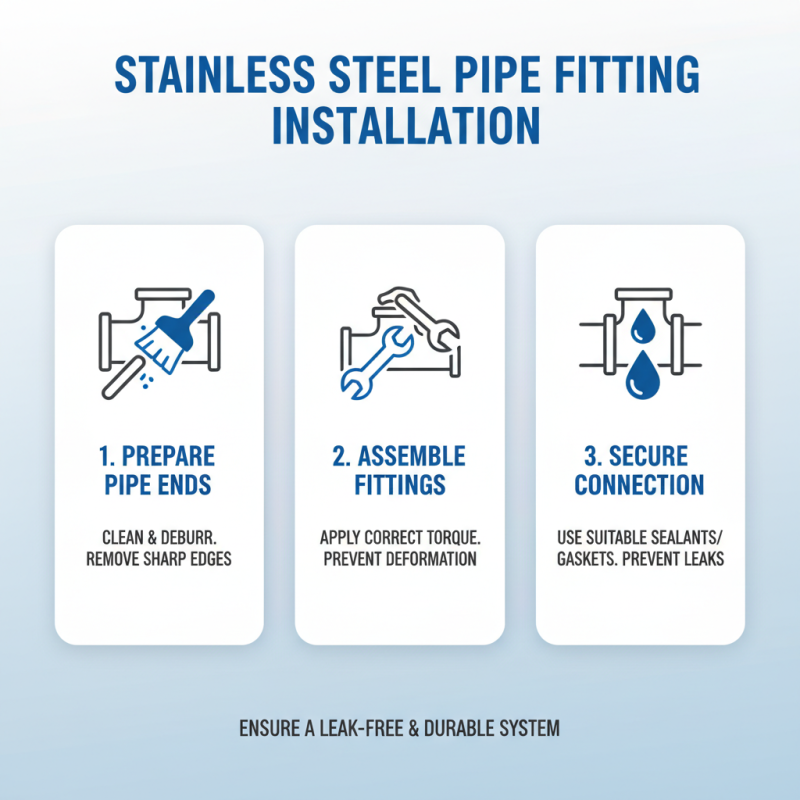
The installation of stainless steel pipe fittings requires careful attention to detail to ensure a leak-free and durable plumbing system. First, it is essential to prepare the pipe ends properly by cleaning and, if necessary, deburring them to eliminate any sharp edges that could damage the fittings. When assembling the fittings, it is important to apply the right amount of torque, as overtightening can lead to deformation and potential failure of the connection. Additionally, using the correct sealants or gaskets specifically designed for stainless steel is crucial for preventing leaks.
Maintenance of stainless steel pipe fittings also plays a significant role in the longevity of plumbing systems. Regular inspections should be conducted to check for signs of corrosion, wear, or loosening of connections. While stainless steel is highly resistant to rust and staining, factors such as exposure to harsh chemicals or extreme temperatures can compromise its integrity. Cleaning procedures should be gentle, using non-abrasive materials to avoid scratching the surface. By adhering to these installation and maintenance practices, the reliability and efficiency of stainless steel pipe fittings in plumbing applications can be greatly enhanced.