2025 Top Brass Fittings: Essential Types and Buying Guide
When it comes to plumbing and piping systems, selecting the right fittings is crucial for ensuring a reliable and efficient operation. Among the various options available, brass fittings stand out due to their superior durability, resistance to corrosion, and overall versatility. As we approach 2025, understanding the essential types of brass fittings and knowing how to choose the right ones for your projects has never been more important. This guide will explore the different categories of brass fittings, their unique applications, and key considerations to keep in mind while making your purchase.

Brass fittings are not only functional but also play a vital role in maintaining the integrity of plumbing systems. From residential applications to industrial uses, these fittings are integral to connecting pipes, valves, and other components seamlessly. In this article, we will delve into the most common types of brass fittings, such as compression, threaded, and flared fittings, each with its own set of specifications and uses. By familiarizing yourself with these variations, you can make informed decisions that meet the specific needs of your installation.
In addition to discussing the types of brass fittings available in the market, this guide will provide you with practical tips on what to consider when buying them. Factors such as size, pressure ratings, and compatibility with other materials are critical in ensuring optimal performance. Whether you are a seasoned professional or a DIY enthusiast, this comprehensive guide will equip you with the knowledge needed to navigate the world of brass fittings successfully.
Top 2025 Brass Fittings: Key Industry Trends and Market Analysis
The brass fittings market is projected to see significant growth through 2025, driven by key trends in the copper tubes market and an increasing demand across various applications. Particularly in North America, the types of copper tubes such as Type K, Type L, and Type M are gaining traction due to their unique properties and suitability for diverse applications like HVACR, plumbing, and industrial sectors. According to recent market analysis, the HVACR segment is expected to dominate the copper tubes market, accounting for a substantial portion of the total industry share by 2025.
In line with these developments, consumers should consider several essential tips when purchasing brass fittings. First, always evaluate the application requirements and select the matching type of fixture, ensuring compatibility with existing systems. Second, stay informed about the latest standards and regulations that could impact both performance and installation practices. Lastly, pay attention to the manufacturing process and materials, as these factors greatly influence durability and performance in demanding applications.
Furthermore, the market is witnessing increased competition, leading to innovative design and production methods aimed at enhancing product quality. As companies strive to meet the changing needs of consumers and regulatory standards, it may offer advantageous opportunities for those looking to invest in high-quality brass fittings. Understanding these market dynamics can help buyers make informed choices that align with their specific needs.
Essential Types of Brass Fittings for Diverse Applications in 2025
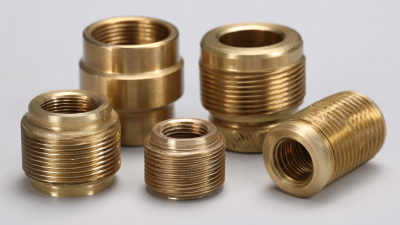
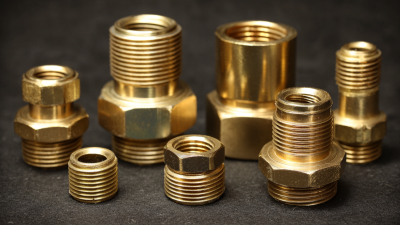
Brass fittings are integral components in various applications, from plumbing to automotive systems. As we look toward 2025, several essential types stand out for their versatility and reliability.
Compression fittings, for instance, offer a secure connection for tubing and are ideal for both residential and industrial plumbing. Their ease of installation without the need for soldering makes them a popular choice among professionals and DIY enthusiasts alike.
Another crucial type is the threaded fitting, which provides a strong mechanical joint that is reusable and easy to disassemble. These fittings are particularly advantageous in situations where regular maintenance or adjustments are required. Additionally, barbed fittings are common in fluid transfer applications, allowing for a tight seal with flexible tubing. As industries evolve and new technologies emerge, understanding the various types of brass fittings available in 2025 will ensure that users can select the right one for their specific needs, enhancing both performance and safety in their projects.
Buying Guide: Factors to Consider When Selecting Brass Fittings in 2025
When selecting brass fittings in 2025, several critical factors must be considered to ensure durability, compatibility, and cost-effectiveness. First, it is essential to assess the specific application and the environment in which the fittings will be used. Research from the Brass Fittings Market Report 2023 indicates that
corrosion resistance is paramount, particularly for fittings used in harsh environments.
Fittings made from high-quality brass alloys, such as C36000, offer enhanced resistance to corrosion, which can extend their lifespan significantly, especially in plumbing and HVAC applications.
Another vital consideration is the fitting's compatibility with existing piping systems. According to industry studies, improper sizing or mismatched materials can lead to leakage and system failures, resulting in costly repairs. As per the latest data from the American Society of Plumbing Engineers, ensuring that brass fittings conform to industry standards such as ASTM B16 can mitigate these risks and enhance system reliability. Additionally, buyers should keep an eye on emerging trends in
sustainable sourcing and manufacturing processes as companies increasingly prioritize environmentally friendly practices, which could also impact the purchasing decision in a conscious market.
Expert Insights: Innovations in Brass Fittings Technology for 2025
The year 2025 is set to usher in significant innovations in brass fittings technology, aimed at enhancing functionality and sustainability. One of the most notable advancements is the shift towards eco-friendly materials and production methods. Manufacturers are now integrating recycled brass components, reducing environmental impact while maintaining high quality. This eco-conscious approach not only meets increasing regulatory requirements but also appeals to an environmentally aware consumer base.
Moreover, smart technology is making its way into brass fittings. With the advent of IoT (Internet of Things), brass fittings are being designed with sensors and connectivity features that enable real-time monitoring and control. These innovations allow for better leak detection, pressure monitoring, and overall management of plumbing systems, leading to increased efficiency and reduced maintenance costs. As the demand for smart home solutions grows, the adaptation of brass fittings to include such technology will undoubtedly play a crucial role in the industry’s evolution.
Market Forecast: The Growth of the Brass Fittings Sector by 2025
The brass fittings sector is poised for significant growth as we approach 2025, reflecting broader market trends in the plumbing and construction industries. With the global brass market expected to surge from USD $9.65 billion in 2025 to USD $21.08 billion by 2033, it indicates a robust demand for quality fittings that can withstand various applications. Factors such as urbanization, the rise of smart technologies, and sustainability efforts are driving this growth, particularly in regions like North America and the European Union.
Tips for buying brass fittings include ensuring compatibility with existing plumbing systems before making a purchase. It's also vital to consider the material quality and finish, as these can affect both durability and aesthetics. Engaging with suppliers who provide comprehensive product information and market insights can also enhance decision-making, ensuring that you're investing in fittings that meet both current and future needs.
As the market evolves, staying informed about pricing trends, such as those reflected in the Brass Rod Price Index, will aid in budgeting effectively. Keep an eye on production forecasts and industry reports, as these can provide strategic advantages for businesses looking to navigate the competitive landscape of brass fittings.