Top 10 PVC Pipe Fittings You Need for Your Plumbing Projects
When it comes to plumbing projects, choosing the right PVC pipe fittings is critical. According to industry reports, PVC fittings account for a significant portion of the global plumbing market. They offer durability, versatility, and cost-effectiveness. In fact, the demand for PVC pipe fittings has been rising steadily, driven by construction and infrastructure developments.
Despite their advantages, improper selection can lead to issues. For instance, not all fittings are suitable for high-pressure applications. This oversight can result in leaks or failures, which are costly to fix. Plumbers must consider factors like size, type, and application when purchasing fittings. Each project presents unique challenges, and understanding the nuances of PVC pipe fittings is essential for success.
In our exploration of the top 10 PVC pipe fittings, we will spotlight essentials that every plumber should consider. This includes not just pieces that are widely available but also those that are often overlooked. By focusing on quality and suitability, you can avoid common pitfalls seen in many plumbing projects. Making informed decisions will enhance your project's overall success and reliability.
Essential Types of PVC Pipe Fittings for Plumbing Projects
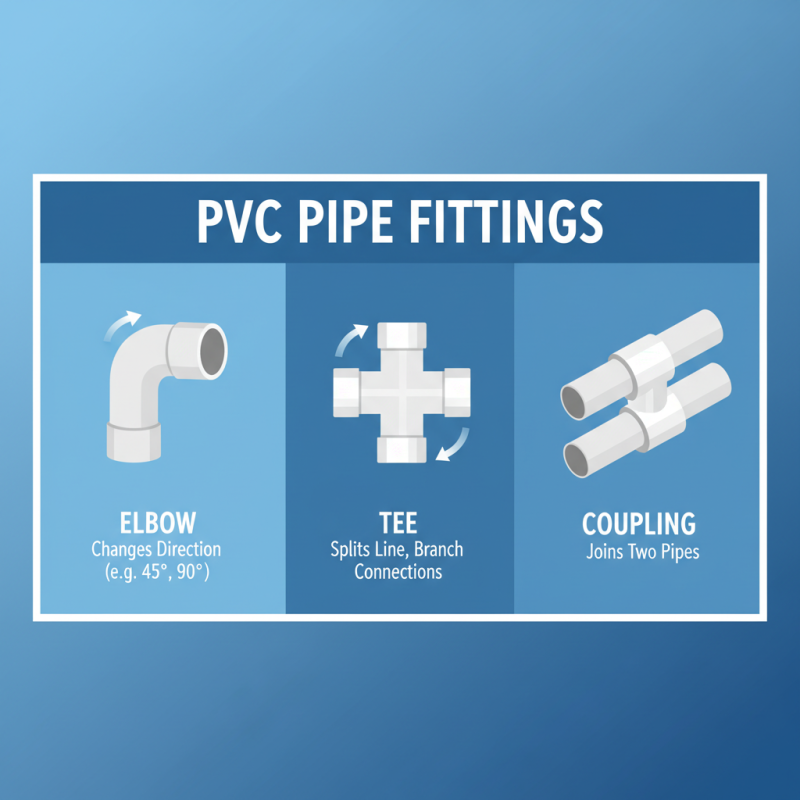
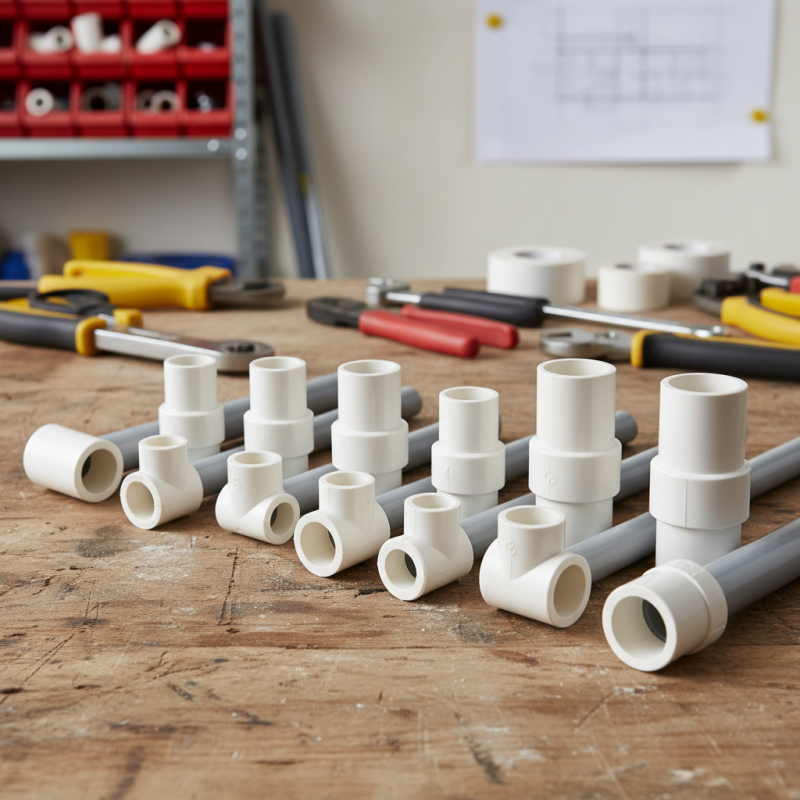
When planning plumbing projects, having the right PVC pipe fittings is crucial. These fittings connect pipes and direct water flow. Some common types include elbows, tees, and couplings. An elbow fitting changes the direction of water flow. It’s available in various angles, mainly 45 and 90 degrees. Tees are essential when you need to split a line, allowing for branch connections. Couplings are straightforward, simply joining two sections of pipe together.
Consideration of size and compatibility is key. Not all fittings will fit all sizes of pipe. Measure your pipes accurately before purchasing. Mistakes can lead to leaks or excessive waste. Inspecting your fittings for cracks or warping is also important. Damaged fittings can cause drainage issues, creating problems that could have been avoided. Choosing the right fitting takes time, but it is worth the effort. It can save money in repairs later on. Understanding your project and its requirements will guide you in selecting the best PVC fittings.
Understanding the Functions of Various PVC Fittings
Understanding the functions of various PVC fittings is crucial for successful plumbing projects. PVC pipes are versatile and durable. They connect in several ways, each serving specific purposes.
Couplings join two pipes of the same diameter. This is often overlooked, yet it makes a huge difference. They help prevent leaks by ensuring secure connections.
Elbows change the direction of the pipe. They create corners and bends, which are essential in tight spaces. Often, choices about angles can lead to mistakes and inefficiencies. For instance, using a 90-degree elbow in a long run might restrict flow. Meanwhile, T-fittings allow for branching off pipes for additional fixtures. Misjudging where to place a T-fitting can lead to frustrating plumbing headaches or increased costs.
Cap fittings are also vital. They seal off the end of a pipe, which can prevent hazards. Remember to consider the pressure in your system. Using the wrong fitting can result in leaks or bursts. Each choice you make has a direct impact on functionality.
Take time to assess your needs carefully; it could save you a lot of trouble later.
Choosing the Right Size and Specifications for Your Needs
When it comes to plumbing projects, selecting the right size and specifications for PVC pipe fittings is crucial. Industry reports indicate that improper fitting choices can lead to leaks, system failures, and increased costs. The wrong size can disrupt flow rates, causing pressure issues downstream. It is vital to measure the diameter and length accurately before purchasing any fittings.
Tip: Always double-check measurements with calipers to ensure precision. Small discrepancies can cause big problems later.
Consider the specific needs of your plumbing system. Different applications, whether residential or industrial, may require varying fitting types and sizes. For example, using Schedule 40 PVC for lower pressure applications and Schedule 80 for higher pressure needs is a common best practice. However, many users still overlook these details.
Tip: Review technical specifications for potential fittings. Understanding pressure ratings will help avoid common mistakes. Remember, one size does not fit all. Users often regret not doing sufficient research beforehand, realizing too late that their choices led to inefficiencies.
Top 10 PVC Pipe Fittings You Need for Your Plumbing Projects
Installation Tips for PVC Pipe Fittings in Plumbing Systems
When working on plumbing projects, using the right PVC pipe fittings is crucial. Proper installation can significantly affect the system's efficiency and durability. According to recent industry reports, improper fitting installation can lead to leaks in up to 25% of plumbing systems. This highlights the importance of getting it right.
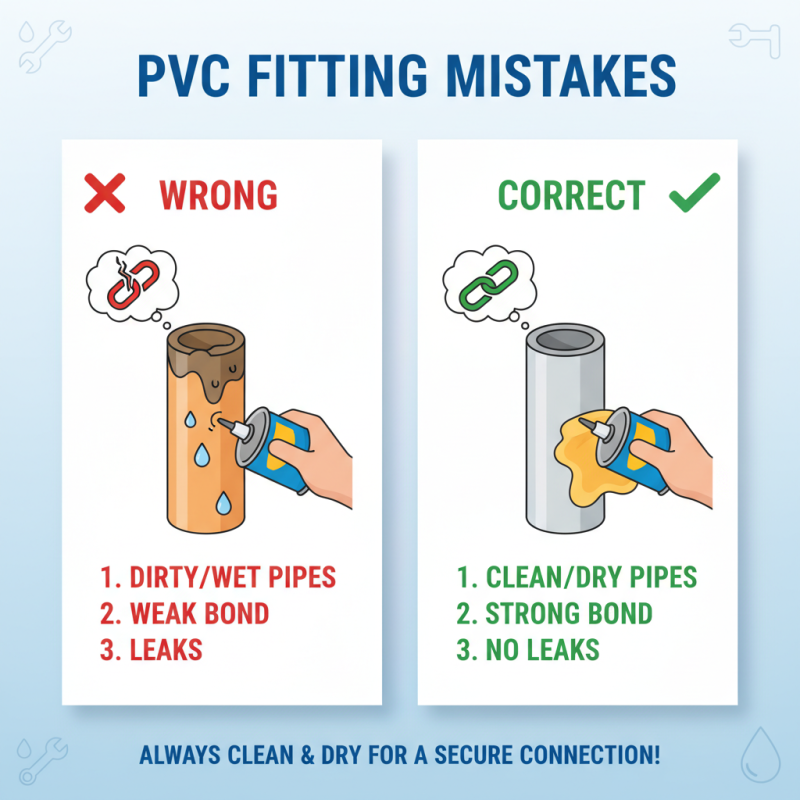
Tip: Always ensure that the edges of the pipes are clean before joining. Dirt or moisture can hinder proper bonding. For solvent welds, apply the adhesive evenly. This step is often overlooked but is essential for a reliable connection.
Also, consider the temperature and humidity during installation. Changes in environment may affect the fittings’ performance. If the area is too dry or too humid, the bonding process may not work as intended. It’s worth mentioning that misguided installations can result in costly repairs down the line. Many professionals recommend conducting a pressure test after installation to check for potential leaks.
Tip: Allow sufficient curing time before pressurizing the system. Rushing this step can lead to failures. Remember, taking time to install correctly can save future headaches. Proper preparation and execution are key for long-lasting plumbing systems.