Top 10 PVC Pipe Fittings You Must Consider for Your Projects?
PVC pipe fittings play a vital role in modern plumbing and construction. According to the Global PVC Pipe Market Report, the industry is projected to grow significantly due to increasing urbanization and construction activities. PVC pipe fittings are favored for their durability, chemical resistance, and affordability. These qualities make them a go-to choice for both professionals and DIY enthusiasts.
Despite their advantages, selecting the right PVC pipe fittings can be challenging. With numerous options available, it’s crucial to understand the specific requirements of a project. Many rely on expert reviews and industry standards, as poor choices can lead to costly repairs. The market is flooded with products, and not all meet the necessary quality benchmarks.
Ultimately, knowing which PVC pipe fittings to consider can enhance the efficiency of plumbing systems. By evaluating factors such as size, pressure ratings, and material compatibility, one can ensure optimal performance. Making informed decisions can save time and resources, leading to successful project outcomes.
Top 10 PVC Pipe Fittings for Efficient Fluid Transportation in Projects
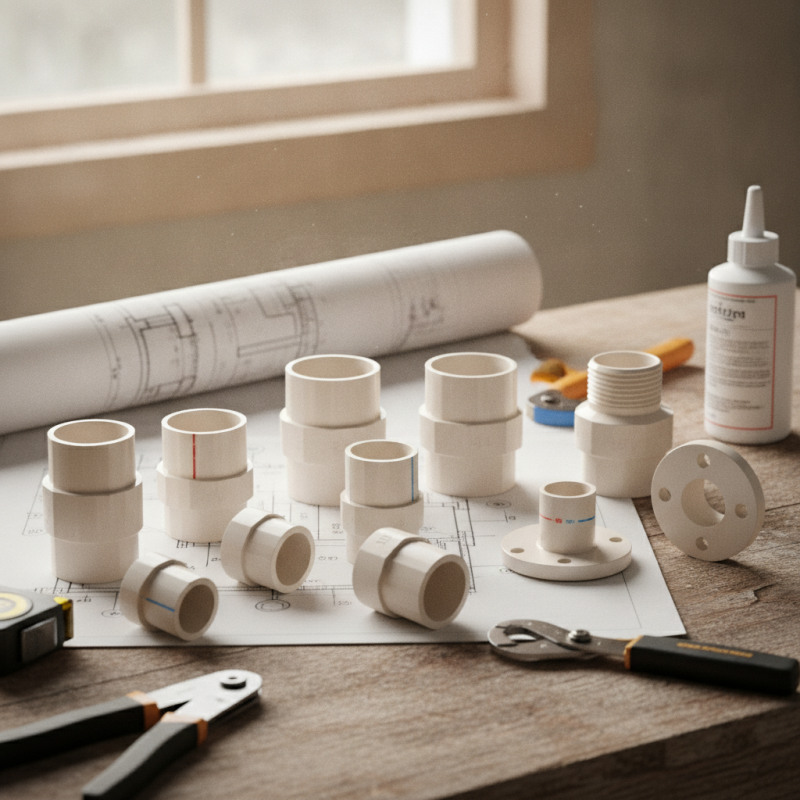
When embarking on fluid transportation projects, choosing the right PVC pipe fittings is crucial. These fittings play a vital role in ensuring efficient flow and minimizing leaks. A well-designed system hinges on compatibility and connection strength. High-quality PVC fittings can withstand pressure while providing durability and longevity. Different shapes and sizes cater to various project needs.
However, selecting suitable fittings can be overwhelming. It's essential to consider factors like pressure ratings and chemical resistance. For instance, certain projects may require fittings that can handle corrosive substances. Navigating these choices requires experience and knowledge. It’s easy to overlook small details, yet they can significantly impact project outcomes.
Visualizing your system layout can help clarify the types of fittings needed. This can lead to better decision-making. Also, reflecting on previous projects informs future choices. Each experience contributes valuable lessons. Recognizing past mistakes leads to improvement. Careful selection ultimately promotes efficient fluid transportation.
The Importance of Choosing the Right PVC Pipe Fittings in Construction
Choosing the right PVC pipe fittings is vital for construction projects. According to industry studies, over 70% of plumbing failures stem from incorrect fittings. This underscores the importance of ensuring that you select the most suitable materials for your specific needs.
When evaluating PVC pipe fittings, consider the intended application. High-pressure systems require stronger fittings than those used in drainage. The American Society for Testing and Materials (ASTM) publishes standards that can guide your decision-making process. Their data indicates that fittings matching the pipe's pressure rating significantly enhance system durability.
Tips: Always check compatibility with existing systems. Measure twice before purchasing. A small error in fitting choice can lead to leaks and costly repairs.
Be aware that not all fittings are created equal. Some lower-quality fittings may not meet industry standards, leading to long-term issues. It's essential to balance cost with quality. Reliable suppliers offer the necessary certifications alongside their products. When in doubt, consult with a professional to prevent future complications.
Comparative Analysis of PVC Pipe Fitting Types: Costs and Performance Metrics
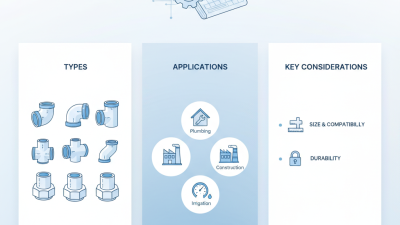
When it comes to PVC pipe fittings, understanding their types, costs, and performance is crucial. PVC fittings come in various shapes, sizes, and specifications. Common types include elbows, tees, and couplings. Each fitting type serves a unique purpose in plumbing and construction projects.
The costs of PVC fittings can vary significantly. Basic fittings are generally inexpensive. However, specialized fittings may incur higher costs. Performance metrics, such as pressure ratings and temperature stability, are also important. Some fittings may withstand high pressure but not extreme temperatures.
It's essential to consider the material quality. Lower-quality fittings can lead to leaks and premature failure. Users often overlook ongoing maintenance costs. Regular inspections help in identifying wear and tear. A good fitting should last for many years, but some might require replacement sooner than expected. Understanding these factors ensures you choose the right fittings for your project, even if it means facing unexpected challenges along the way.
Understanding Compatibility: PVC Fittings and Different Pipe Schedules
When selecting PVC fittings, understanding pipe schedules is crucial. PVC pipes come in various schedules, primarily Schedule 40 and Schedule 80. Schedule 40 is commonly used for residential projects. It has a thinner wall and is lighter. In contrast, Schedule 80 features a thicker wall, providing higher pressure ratings. According to the American National Standards Institute (ANSI), Schedule 80 can handle almost 100% more pressure than Schedule 40.
Compatibility between fittings and pipes can be tricky. A Schedule 40 fitting will not fit a Schedule 80 pipe properly, even if they have the same diameter. This misalignment can lead to leaks, underperformance, or even project failure. Industry studies show that nearly 15% of plumbing failures stem from using mismatched fittings and pipes.
It's vital to consider the intended application and pressure levels required in your project. For high-pressure needs, selecting Schedule 80 is advisable despite its higher cost. But for simple drainage projects, Schedule 40 suffices. Inspecting pipe specifications and fitting ratings regularly ensures safety and compliance. This attention to detail can save time and money in the long run. Such reflections illustrate the importance of informed choices in PVC fitting applications.
Industry Trends: Innovations in PVC Pipe Fittings for Enhanced Durability
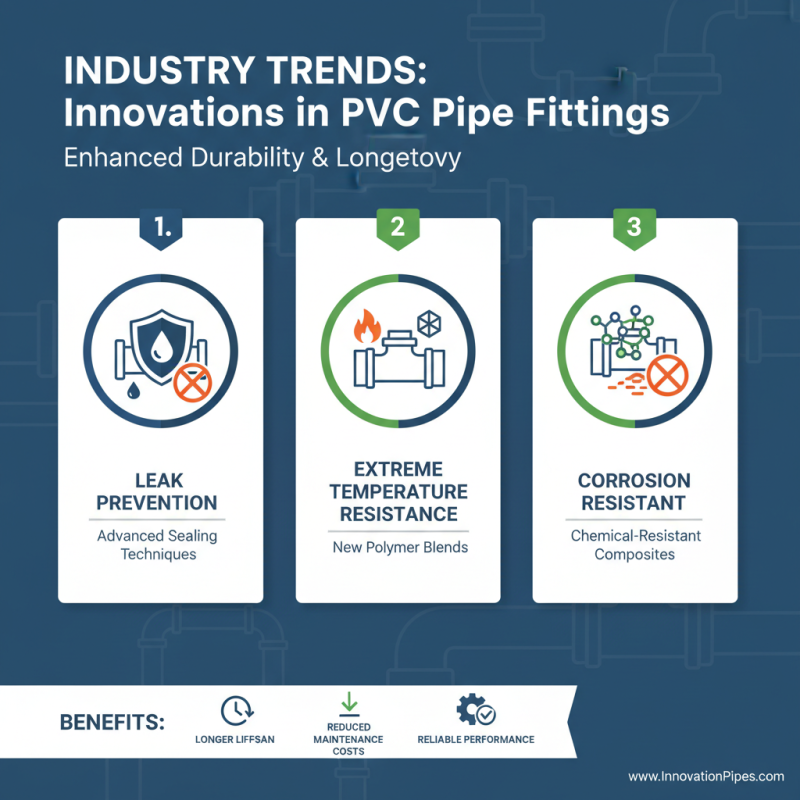
Innovations in PVC pipe fittings are transforming the industry. New techniques enhance durability and longevity. These advancements aim to address some common issues in traditional fittings, like leaks and wear over time. Many professionals now seek fittings that offer superior resistance to corrosion and extreme temperatures.
Recent trends include developing low-friction surfaces. These surfaces reduce wear and tear, which can extend the life of the pipes. Some designs also incorporate flexible materials, allowing for easier installation. However, not all innovations work seamlessly in every situation. There may be compatibility issues with older systems, raising concerns about reliability.
Emphasizing sustainability, manufacturers are exploring eco-friendly materials. Biodegradable options are gaining traction, but they may not always match the performance of conventional PVC. Professionals need to consider these factors carefully. Balancing innovation with practicality is key for successful projects. While many advancements show promise, careful evaluation is necessary to ensure they meet specific project needs effectively.