Top Stainless Steel Pipe Fittings for Global Buyers?
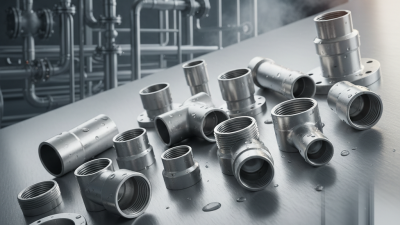
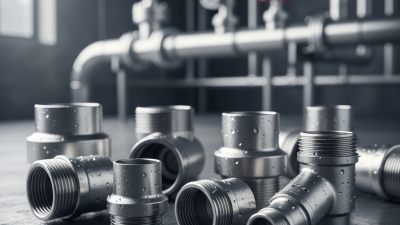
In the world of industrial applications, stainless steel pipe fittings play a crucial role. Renowned industry expert Dr. Emily Vargas emphasizes this, stating, "The quality of stainless steel pipe fittings directly impacts system performance." The global market for these fittings is constantly evolving, driven by various factors such as durability, corrosion resistance, and cost-effectiveness.
In recent years, buyers have increasingly focused on selecting high-quality stainless steel pipe fittings. This trend reflects a growing awareness of their importance in ensuring safety and efficiency. From construction to plumbing, these fittings are essential components that must meet specific standards. However, not all suppliers offer the same level of quality. This can lead to challenges in procurement and usage.
Choosing the right fittings requires careful consideration. Buyers must evaluate factors like material grade, finish, and manufacturer reputation. In a rapidly expanding market, it is crucial to reflect on past purchases and their performances. This practice helps ensure a reliable supply chain. Remember, investing in high-quality stainless steel pipe fittings is not just a choice; it is a necessity for long-term success.
Characteristics of Stainless Steel Pipe Fittings and Their Applications
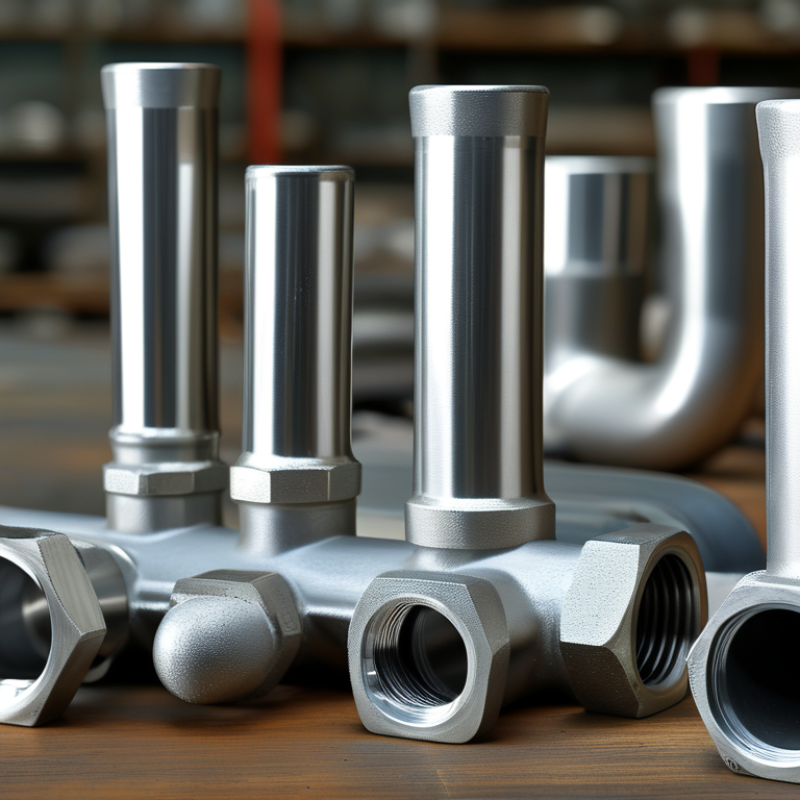
Stainless steel pipe fittings are crucial in various industries, including plumbing, construction, and manufacturing. Their durability sets them apart. These fittings can withstand high temperatures and pressure, making them ideal for demanding applications. They resist corrosion, ensuring longevity and reducing maintenance costs.
Applications vary significantly. In plumbing, stainless steel connects pipes efficiently. In construction, it supports structural integrity and aesthetics. Food and beverage industries favor stainless steel for hygiene. The material prevents contamination, ensuring product safety. However, not all stainless steel fittings perform equally.
Some may corrode under extreme conditions. Others can be difficult to install without proper tools. Buyers should consider these factors when selecting fittings. Understanding the specific needs of a project is essential. A thoughtful approach minimizes long-term costs and enhances performance. This practical insight can lead to better purchasing decisions.
Types of Stainless Steel Pipe Fittings Used in Various Industries
Stainless steel pipe fittings play a crucial role in various industries, from construction to pharmaceuticals. In the oil and gas sector, these fittings are essential for maintaining pressure in pipelines and preventing leaks. According to a recent industry report, demand for stainless steel fittings is projected to grow by 5.5% annually through 2027. This growth reflects the material's resistance to corrosion and high temperatures.
In the food and beverage industry, hygienic fittings are necessary to meet safety standards. They ensure that no contaminants enter the production process. Interestingly, nearly 70% of manufacturers report challenges in sourcing high-quality fittings. This indicates a need for better supply chain management.
The automotive and aerospace industries also rely on stainless steel fittings for their durability. These sectors require consistent performance under varying conditions. A study indicates that nearly 60% of companies experience delays due to insufficient inventory of these components. This raises questions about operational efficiency and preparedness in critical manufacturing processes.
Factors to Consider When Selecting Stainless Steel Pipe Fittings
When selecting stainless steel pipe fittings, buyers must consider material grades, types, and compatibility. The most common grades, such as 304 and 316, each have unique properties. Grade 316 offers superior corrosion resistance, making it ideal for marine environments. However, it is also more expensive. Understanding the requirements of your specific application can help you make the right choice.
Additionally, the fitting types play a crucial role. Elbows, tees, and couplings each serve different purposes. For instance, elbows are essential for changing pipe direction, while tees branch off flow in multiple directions. Data shows that industry usage of stainless steel fittings increased by 5% annually in recent years. This highlights their growing importance in various sectors, such as construction and manufacturing.
Compatibility with existing systems is another factor. Mixing materials can lead to leaks or failures. A professional evaluation ensures that each fitting matches the operational requirements. Buyers should prioritize reliable sources to guarantee product quality. Be cautious about low-cost options. They may compromise safety and efficiency. Balancing cost and performance is essential for a successful selection process.
Top Stainless Steel Pipe Fittings for Global Buyers
This chart represents the global demand for various types of stainless steel pipe fittings, highlighting elbows, tees, reducers, flanges, and caps in terms of units demanded. Understanding these trends can help buyers make informed purchasing decisions.
Top Manufacturers and Suppliers of Stainless Steel Pipe Fittings Globally
When exploring the global market for stainless steel pipe fittings, it is essential to recognize the top manufacturers and suppliers. Their expertise often shapes the quality and durability of products available. Many manufacturers focus on specific industries, catering to unique needs. This specialization enhances their credibility and strengthens partnerships in various sectors.
Selecting suppliers involves careful consideration. It is crucial to assess their manufacturing processes and quality control measures. Many suppliers have robust certification systems that ensure compliance with international standards. Transparency in sourcing materials can significantly impact product reliability. Emerging suppliers are also making strides by adopting advanced technologies to improve production efficiency.
However, not all suppliers maintain the same level of expertise. Some do not have extensive experience, which can affect project outcomes. It's vital for buyers to verify credentials and seek testimonials. Engaging with manufacturers that prioritize long-term relationships often proves beneficial. This approach fosters trust and can lead to better pricing and service over time.
Top Stainless Steel Pipe Fittings for Global Buyers
| Type |
Size Range (inches) |
Material Grade |
Connection Type |
Applications |
| Elbow |
1/2 to 48 |
304, 316 |
Welded, Threaded |
Oil & Gas, Water Supply |
| Reducer |
1/2 to 10 |
304L, 316L |
Welded |
Pharmaceutical, Food Industry |
| Tee |
1/2 to 12 |
304, 316 |
Welded, Socket |
Chemical Processing, Plumbing |
| Cap |
1/2 to 24 |
316, 316L |
Welded, Threaded |
Marine, Construction |
| Flange |
1 to 30 |
304, 316 |
Blind, Slip-on |
Power Generation, Oil & Gas |
Trends and Innovations in Stainless Steel Pipe Fittings Market
The stainless steel pipe fittings market has experienced significant shifts recently. Buyers now prioritize sustainability and durability. Manufacturers are focusing on eco-friendly production methods. Innovations in design are also shaping industry trends.
Join the conversation about eco-conscious practices. Consider using fittings made from recycled materials. This not only reduces waste but also supports a circular economy.
Standardization is another trend gaining traction. It simplifies installation and maintenance. However, it may limit customization options. Exploring unique fitting designs remains essential for specific applications. Some buyers might miss out on tailored solutions if they overlook this aspect.
Tracking these trends can sharpen purchasing decisions. Keep an eye on emerging technologies, like 3D printing. This innovation could redefine manufacturing processes. Understanding these developments can enhance the reliability of your sourcing strategies.