Why Choose Ball Valve for Your Industrial Needs?
In the industrial sector, the choice of valves can greatly impact efficiency and safety. According to John Smith, a renowned expert in valve technology, "Ball valves provide reliable sealing and ease of use." This highlights the critical role Ball Valves play in industrial applications. Their design allows for quick operation and precise flow control, making them adaptable to various fluid types.
When considering industrial needs, factors such as pressure ratings and material compatibility come into play. Ball Valves are known for their durability and resistance to wear. However, it's essential to assess the specific requirements of each application. Sometimes, users may overlook the importance of valve maintenance. Neglecting this can lead to unforeseen failures.
In conclusion, investing in high-quality Ball Valves can enhance operational efficiency. Yet, thorough evaluation of your specific needs remains crucial. Ensuring you have the right expertise and reliable products will lead to long-term success.
Advantages of Ball Valves in Industrial Applications
Ball valves are essential in many industrial applications due to their significant advantages. Their simple design allows for quick on-off control. When fully open, they produce minimal pressure drop. This feature is critical in systems requiring high flow rates. Ball valves can handle a variety of media, including liquids and gases. Their tight sealing minimizes the risk of leaks, enhancing safety.
These valves are also durable. They can withstand harsh conditions, making them a reliable choice in many industries. Regular maintenance can extend their lifespan. However, it's vital to install them correctly to avoid potential issues. Misalignment during installation may lead to valve failure. Users should be trained for proper installation and operation to maximize benefits.
In addition to durability, ball valves are cost-effective. Their long lifespan and low maintenance needs save money in the long run. Yet, it’s important to assess whether they suit specific applications. For instance, in high-frequency cycling, other valve types might perform better. Thoughtful consideration ensures you choose the right valve for your unique industrial needs.
Advantages of Ball Valves in Industrial Applications
This bar chart illustrates the key advantages of using ball valves in industrial applications. Each advantage is rated on a scale of 1 to 10 based on their importance in operational settings.
Comparative Analysis: Ball Valves vs. Other Valve Types
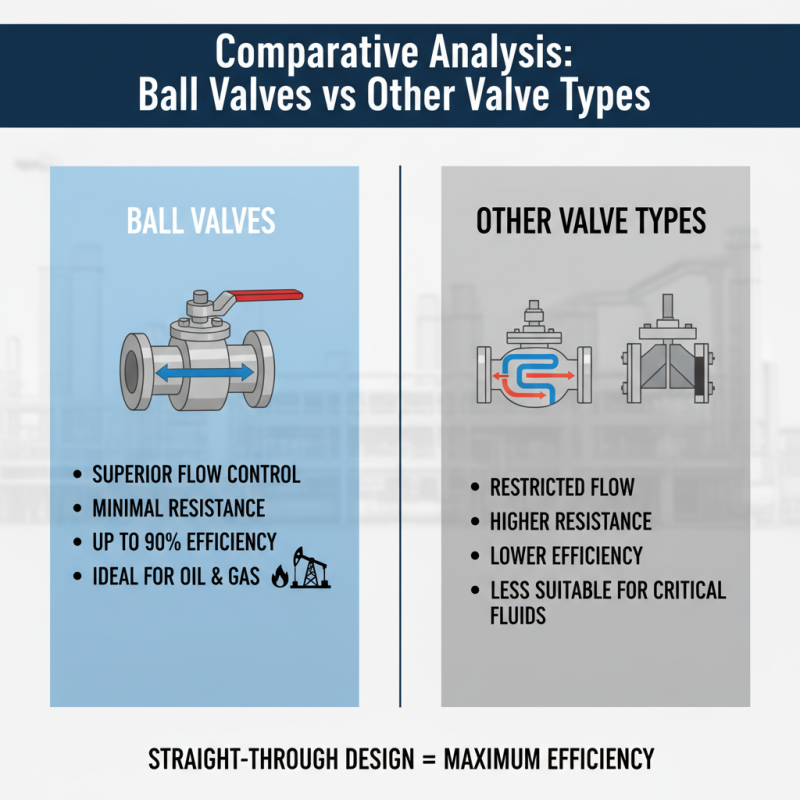
When choosing a valve for industrial applications, ball valves often outperform other types. Ball valves excel in flow control thanks to their design. They offer a straight-through flow path with minimal resistance. According to industry reports, ball valves can achieve up to 90% efficiency in fluid flow. This efficiency is crucial for sectors like oil and gas, where every drop matters.
However, other valves, such as gate and globe valves, have their advantages. Gate valves provide low-pressure drops but can struggle with throttling. Globe valves are better for flow regulation but may not handle high flow rates as effectively. Data indicates that while ball valves are preferred in 70% of applications, the specific needs of a project dictate the choice of valve type.
Tips: Regular maintenance can improve the lifespan of ball valves. Inspect seals and seats to prevent potential leaks. Training staff on valve operation is crucial. Knowledgeable personnel ensure optimal performance, leading to fewer operational issues.
Key Features of Ball Valves for Industrial Efficiency
When considering industrial applications, ball valves stand out for their efficiency and reliability. These valves provide a smooth flow path, reducing pressure drops. Their design allows for quick shut-off, ensuring safety in operations. Industries dealing with fluids can benefit significantly from these features.
One notable aspect is the minimal maintenance required for ball valves. They are less likely to clog due to their straight-through design. This ensures longevity and reduces downtime. However, it's essential to regularly inspect seals and lubricate moving parts to maintain optimal function. Over time, even a small issue can lead to leaks or malfunctions.
Tips for selecting the right ball valve include understanding your system's pressure and temperature needs. Choose materials compatible with your fluids to avoid corrosion. While ball valves are robust, improper selection may lead to inefficiency. Always consider the specific requirements of your application to ensure a successful installation.
Why Choose Ball Valve for Your Industrial Needs? - Key Features of Ball Valves for Industrial Efficiency
| Feature |
Description |
Advantages |
| Quick Operation |
Ball valves offer a 90-degree turn operation, providing quick shut-off. |
Minimizes downtime and maximizes operational efficiency. |
| Sealing Performance |
Utilizes a spherical disc to provide a tight seal. |
Prevents leakage, ensuring safety and reliability in operations. |
| Durability |
Made from robust materials designed to withstand harsh conditions. |
Longer lifespan allows for reduced replacement frequency. |
| Versatility |
Applicable for various media, including gases and liquids. |
Suitable for diverse industrial applications. |
| Low Pressure Drop |
Offers minimal resistance to flow when fully open. |
Enhances system efficiency and reduces energy costs. |
Common Applications of Ball Valves in Various Industries
Ball valves are widely used in various industrial applications due to their efficient design and versatility. In the oil and gas industry, for instance, they facilitate the control of flow and pressure in pipelines. According to a 2021 report from the International Energy Agency, over 50% of oil transport involves ball valves, highlighting their critical role.
In water treatment facilities, ball valves are preferable for their ability to handle high pressure and provide reliable shutoff. The Water Environment Federation indicates that these valves can significantly reduce maintenance costs due to their durability. A study from the American Water Works Association shows that nearly 70% of treatment plants utilize ball valves for their efficiency.
Additionally, in the chemical sector, ball valves ensure safety and precision. These valves can handle corrosive substances, making them suitable for various chemicals. However, a lack of proper maintenance can lead to failures, resulting in costly downtime. This reality points to the importance of routine inspection and maintenance to prevent operational disruptions.
Maintenance and Longevity of Ball Valves in Industrial Settings
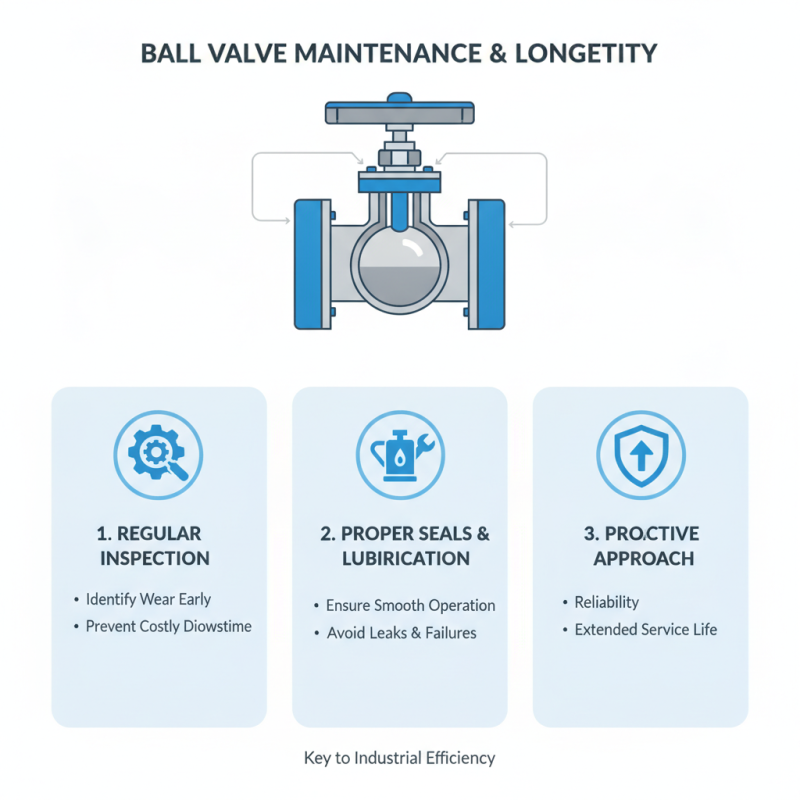
Ball valves are known for their reliability and ease of maintenance in industrial settings. Regular inspection is crucial. Routine checks help identify wear and tear early. This proactive approach can prevent costly downtime. Maintaining proper seals and lubricating the internal mechanism ensures smooth operation. Neglecting these steps can lead to leaks or operational failures.
Longevity is another advantage of ball valves. They are engineered to withstand high pressures and extreme temperatures. However, environmental factors can affect their lifespan. Corrosion and debris accumulation are common issues. Implementing a periodic maintenance schedule mitigates these risks. Yet, many industries overlook the importance of this upkeep. Simple actions like cleaning and replacing seals can extend the lifespan significantly.
In addition, operators must be trained to recognize potential problems. Understanding how the valve responds to different conditions is key. This knowledge fosters a culture of maintenance. Occasionally, operators may misjudge when to act. Establishing clear guidelines can help avoid these mistakes. Ultimately, ensuring the longevity of ball valves hinges on awareness and responsibility.