2026 How to Choose Ppsu Pex Fittings for Your Projects?
In the evolving landscape of plumbing solutions, choosing the right Ppsu Pex fittings is crucial. Expert plumber, John Smith, emphasizes, "Quality fittings can save time and lead to better project outcomes." This statement highlights the importance of selecting fittings that meet specific project requirements.
Ppsu Pex fittings are renowned for their durability and resistance to high temperatures. However, not all fittings are created equal. Understanding the various types and their applications is essential for successful installations. Choosing low-quality parts can lead to leaks or system failures, causing frustration and potential additional costs.
Every project demands careful consideration, and Ppsu Pex fittings are no exception. While they offer many advantages, it's vital to evaluate your unique needs. Make informed decisions that prioritize reliability and performance in your plumbing projects.
Understanding PPSU and PEX Materials in Plumbing Applications
When examining plumbing materials, understanding PPSU and PEX is crucial. PPSU (polyphenylsulfone) is known for its exceptional temperature resistance and strength. It can withstand temperatures up to 200°C, making it suitable for hot water applications. A report from the American Society for Testing and Materials (ASTM) indicates that PPSU offers greater longevity compared to traditional materials, often lasting over 50 years when appropriately maintained.
PEX (cross-linked polyethylene) is another popular choice in plumbing. It is flexible, which allows for easier installation, especially in tight spaces. According to the Plastic Pipes Conference Association, PEX can expand and contract with temperature fluctuations, reducing the risk of cracks. Its resistance to scale and chlorine also contributes to the longevity of PEX systems. However, PEX may not be suitable for all conditions, as exposure to high levels of UV light can degrade its performance.
Selecting the right fittings is essential in leveraging the benefits of these materials. PPSU fittings provide durability, while PEX fittings offer ease of use. Engineers must consider environmental factors and specific project requirements when choosing materials. Each choice has its advantages and limitations, urging reflection on long-term performance versus initial costs in plumbing system design.
Key Factors to Consider When Selecting PEX Fittings
When selecting PEX fittings for projects, consider key factors that ensure optimal performance. The material type plays a crucial role. PPSU is often favored due to its high temperature resistance and durability. Industry reports indicate that PPSU fittings can withstand temperatures up to 200°F, making them ideal for both hot and cold water systems.
Compatibility is another factor not to overlook. Some PEX systems may use different connection types. Ensure the fittings you choose align with your existing piping. A mismatch here could lead to leaks and costly repairs. Data from plumbing surveys reveal that improper fittings are a leading cause of plumbing failures.
Tips: Always double-check the fitting sizes before purchasing. Using a caliper to measure can prevent future issues. Furthermore, adhere to local plumbing codes; these regulations ensure the safety and longevity of your installation. Finally, don’t hesitate to ask for expert advice if you're unsure about fitting materials. Experts can provide insights based on extensive experience, helping you avoid common pitfalls.
2026 How to Choose Ppsu Pex Fittings for Your Projects? - Key Factors to Consider When Selecting PEX Fittings
| Factor |
Description |
Recommended Material |
Temperature Rating (°F) |
| Compatibility |
Ensure fittings are compatible with your existing PEX system. |
PPSU |
180 |
| Pressure Rating |
Choose fittings that can withstand the pressure in your system. |
Brass |
200 |
| Ease of Installation |
Select fittings that are easy to install with available tools. |
PPSU |
180 |
| Durability |
Consider the longevity and robustness of the fittings. |
PPSU |
180 |
| Cost |
Assess the cost-effectiveness of the fittings over time. |
PVC |
140 |
Types of PPSU PEX Fittings and Their Applications
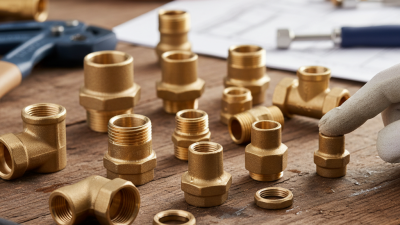
When selecting PPSU PEX fittings, understanding the various types and their specific applications is crucial. PPSU (Polyphenylsulfone) fittings are known for their high heat resistance and durability, making them ideal for both residential and commercial plumbing systems. The most common types include elbows, tees, and couplings. Each serves distinct purposes in piping systems.
Elbows are used to change the direction of pipes, minimizing flow resistance. Tees allow the branching of pipes, facilitating efficient water distribution. Couplings simply connect two pipes, ensuring a secure fit. According to recent industry reports, the demand for PPSU fittings has surged by 25% in the last three years. This trend highlights the growing preference for reliable plumbing solutions.
Tip: Always consider the temperature and pressure of your system before selecting fittings. Overestimating capabilities can lead to failures. Inspection of connections should be routine. Look for signs of wear or leaks regularly. Doing so can save money and time in the long run. Specialized fittings for unique applications are also available. Researching before making a selection is wise.
Types of PPSU PEX Fittings and Their Applications
Installation Tips for PPSU PEX Fittings in Projects
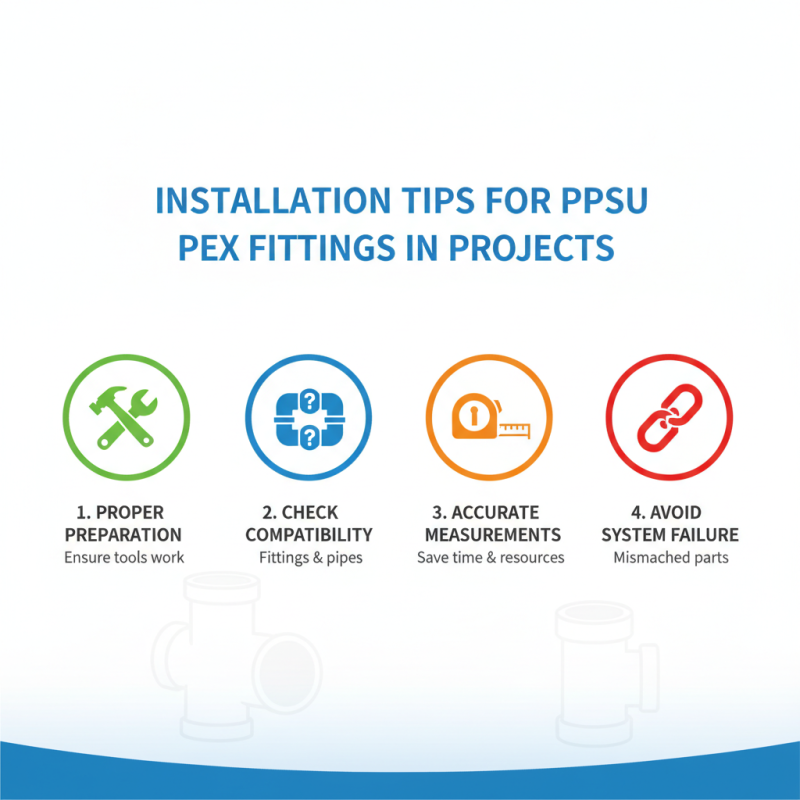
When installing PPSU PEX fittings, proper preparation is crucial for a successful project. Ensure that all tools are in working order before starting. Check the compatibility of the fittings with your existing pipes. Accurate measurements can save time and resources. If fittings don't match, the entire system can be compromised.
One common mistake is neglecting to properly clean the pipe ends. Dirt and debris can cause leaks. Clean each pipe end thoroughly before connecting the fittings. Additionally, be mindful of the installation environment. Extreme temperatures can affect the stability of the fittings. Consider the temperature range where they'll be installed.
Pay attention to the required torque specifications during fittings installation. Over-tightening can damage the fittings, while under-tightening may lead to leaks. Always follow the manufacturer's guidelines closely. Take your time to double-check each connection. Rushing through the process can lead to mistakes that are hard to correct. Remember, a well-installed system ensures the longevity of your project.
Maintenance and Care for PEX Plumbing Systems
Maintaining a PEX plumbing system is essential for its longevity and efficiency. Regular inspections can help identify issues early. A study by the American Society of Plumbing Engineers indicates that proper maintenance can increase system life by up to 30%. Look for signs of wear or leaks. Small leaks can grow and lead to significant damage, so prompt attention is crucial.
Tips: Regularly check your pipe connections for wear. Ensure insulation is intact around pipes in colder areas.
Cleaning is another key aspect. Flushing the system annually can help remove sediment buildup. This sediment can cause blockages and degrade performance. PEX systems are resistant to corrosion, but debris can still accumulate, impacting flow rates. Make it a routine to flush and check for clogs.
Tips: Use a vinegar solution to clean minor blockages. Always wear protective gear when handling cleaning solutions.
Finally, monitor water pressure regularly. A consistent reading will prevent strain on your plumbing. Sudden drops or spikes can indicate underlying issues. It’s important to be vigilant and proactive to avoid costly repairs in the future. Regular maintenance not only enhances performance but also ensures peace of mind.