How to Choose the Right Brass Fittings for Your Project?
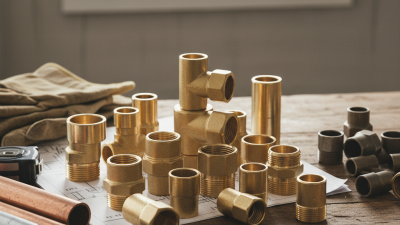
Choosing the right brass fittings for your project can be a challenging task. Expert Mike Anderson, a well-respected figure in the plumbing industry, once stated, "The right fittings can make or break your installation." His insight underscores the importance of selecting quality brass fittings that meet your specific needs.
Brass fittings come in various types and sizes, suitable for different applications. This variety can often lead to confusion. Understanding the specifications, durability, and compatibility with your current system is vital. Improper choices can lead to leaks or failures, ultimately costing more time and money.
Moreover, not every brass fitting is created equal. Some may rust or corrode quicker than others. It's essential to research and consult professionals. Mistakes in selecting brass fittings can be costly, highlighting the need for careful determination in your choices. Prioritizing quality and functionality is key to a successful project outcome.
Understanding Different Types of Brass Fittings Available in the Market
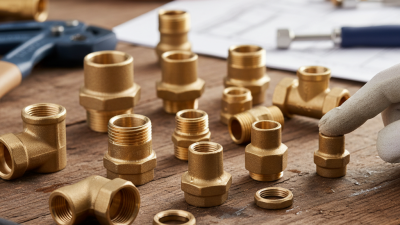
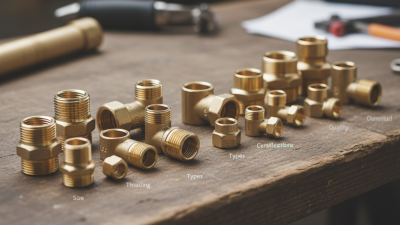
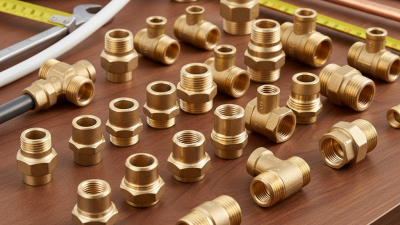
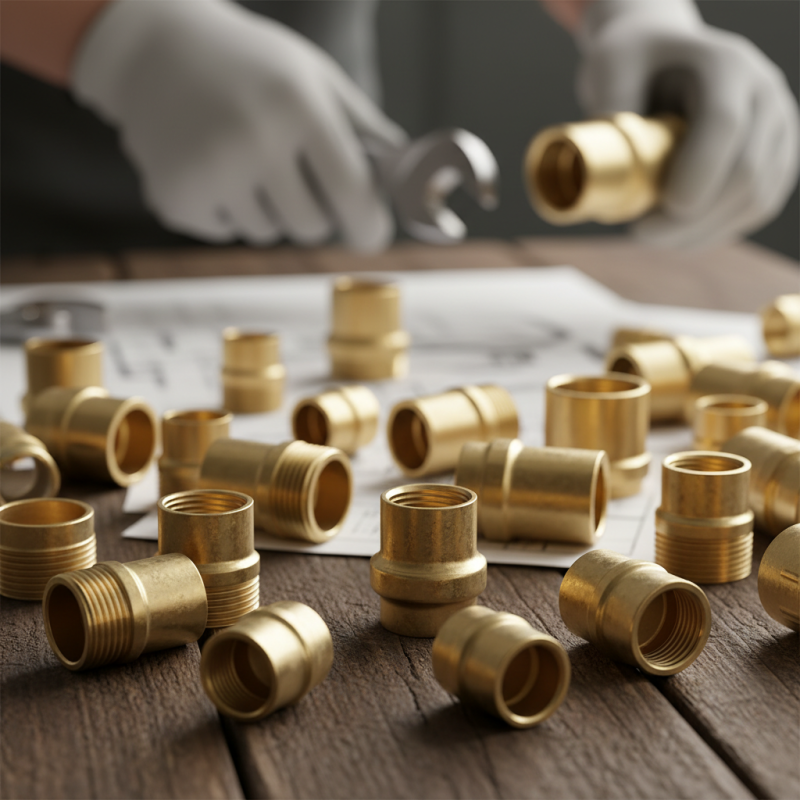
When selecting brass fittings, understanding the various types available is essential. Brass fittings come in several forms, each suited for different applications. Common types include elbows, tees, couplings, and adapters. Each serves a unique purpose. For instance, elbows allow changes in direction, while tees create branches in a plumbing line. This diversity offers versatility in project designs.
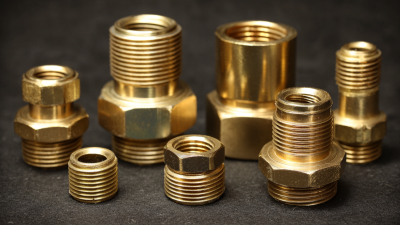
Another crucial aspect is the fitting's threading. There are two primary types: male and female threads. Male threads fit into female threads for secure connections. Thread sealants may be necessary to prevent leaks. Additionally, consider the fitting size. Proper sizing ensures a good fit and optimal flow rates. However, not all projects require high-quality fittings. Sometimes, lower-cost options suffice. Evaluating your specific needs can lead to better choices.
Brass also varies in quality. Some fittings are more prone to corrosion than others. Understanding these properties helps in selecting the best option for your environment. If exposed to harsh weather, some fittings may degrade faster. Recognizing these factors is vital for project longevity. Make informed decisions by researching different types and their applicability. Missteps can lead to leaks or failures, so careful planning is essential.
Key Factors to Consider When Selecting Brass Fittings for Your Project
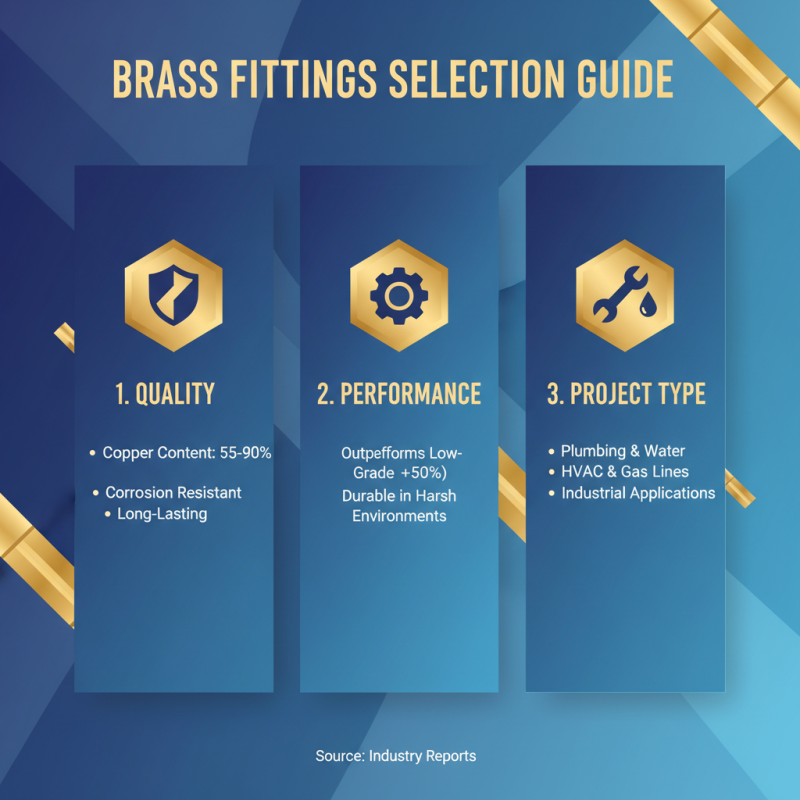
When choosing brass fittings for your project, consider several key factors that impact performance and durability. Quality is paramount. High-grade brass fittings typically contain copper content ranging from 55% to 90%. This ensures better resistance to corrosion and improved longevity. According to industry reports, high-quality brass can outperform lower-grade alternatives by up to 50% in certain environments.
Furthermore, consider the specific application. Different fittings cater to various functions, such as plumbing, gas, or hydraulic systems. For instance, a study indicates that improper fitting selection can result in leaks or failures in 30% of installations. Pay attention to the fitting size and compatibility with existing pipes. A mismatch can complicate your project and lead to costly errors.
Finally, the environmental conditions play a significant role. Brass fittings are not always ideal for extreme temperatures. Reports show that some low-quality fittings can weaken when exposed to high heat. Ensure that the fittings you select meet the required specifications for your project’s environment. Balancing quality, application, and environmental factors will help you make informed decisions. Your choices directly affect project outcomes and longevity.
Assessing Compatibility with Existing Plumbing or Hardware Systems
When selecting brass fittings for your plumbing project, compatibility is crucial. Existing plumbing systems can vary widely in size and material. You may encounter different types of pipe threads or connections that require specific fittings. Always check the specifications of your current systems before making a purchase. This will prevent costly mistakes and ensure a proper seal.
Consider the fitting types. Male and female threads can create confusion. Pay attention to the thread size and style. Some projects may involve converting from one fitting type to another. This can complicate installation and require additional adaptors. Check for compatibility with your tools as well. Not every fitting works with standard tools, which can lead to frustration.
It can be tempting to rush the decision process, but careful consideration is essential. Fittings that seem perfect might not work upon installation. Visual inspection helps confirm compatibility, but test-fit whenever possible. Don’t hesitate to seek advice. Approach knowledgeable professionals or reference reputable resources. They can provide insights specific to your situation.
Evaluating Quality and Durability of Brass Fittings for Longevity
When selecting brass fittings, quality and durability are crucial for ensuring longevity. Brass is known for its resistance to corrosion, but not all brass is created equal. Look for fittings that have been tested for strength under pressure and are made from a high copper content. This enhances their ability to withstand harsh environments.
Tips: Always check for any visible imperfections. Small flaws can lead to bigger issues over time. Use fittings with a consistent finish, as this often indicates higher quality craftsmanship.
Consider the environment where you will use the fittings. Extreme temperatures or exposure to chemicals can affect their performance. Testing a small sample piece may seem unnecessary, but it can save you from significant problems later on.
When in doubt, consult with professionals who have expertise in metalwork. Their insights can guide you towards the best choices for your specific project needs. This experience can prove invaluable, especially when facing unique challenges that require tailored solutions.
How to Choose the Right Brass Fittings for Your Project?
| Dimension |
Material Grade |
Typical Applications |
Durability Rating |
Corrosion Resistance |
| 1/2" NPT |
C36000 |
Water Supply |
High |
Moderate |
| 3/4" NPT |
C37700 |
Gas Lines |
Very High |
Low |
| 1" NPT |
C46400 |
Hydraulic Systems |
High |
Moderate |
| 1-1/4" NPT |
C38500 |
Automotive |
Moderate |
High |
Budgeting and Cost Considerations in Choosing Brass Fittings
When budgeting for brass fittings, consider both initial costs and long-term value. Quality fittings may have a higher upfront expense, but they can save money over time. Cheaper options often suffer in durability and performance. Consider the specific requirements of your project to determine what fits best.
Evaluate different types of brass fittings. Some may require more frequent replacement, leading to ongoing costs. Also, factor in installation expenses. Poorly chosen fittings can complicate the installation process. Research specifications and industry standards to make informed choices. Expertise in this area can prevent costly mistakes.
Don't overlook the importance of sourcing reliable suppliers. Check customer reviews and seek recommendations. Not all websites provide accurate information on quality and pricing. Sometimes, what seems like a good deal is not. Be careful about balancing cost with quality to ensure you get the value you need.
Brass Fittings Cost Analysis