Top 5 Tips for Choosing Brass Fittings for Your Projects?
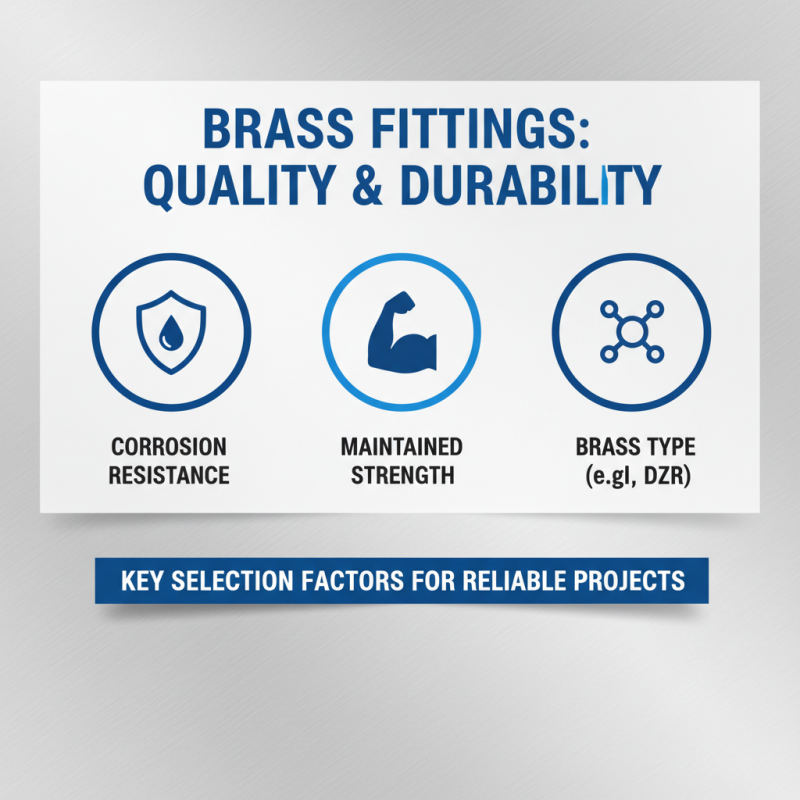
Choosing the right brass fittings for your projects can seem daunting. With numerous options available, making an informed choice is crucial. Brass fittings are known for their durability and resistance to corrosion, making them a popular choice across various applications. However, not every brass fitting is created equal.
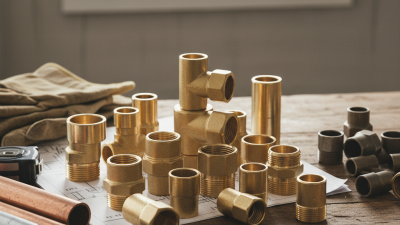
When selecting brass fittings, consider factors like size, type, and threading. A mismatch can lead to leaks or failures, which can be costly in the long run. You might overlook these details in haste, but careful evaluation is necessary to ensure reliability. Pay attention to certifications and manufacturer standards. It's essential to rely on trusted sources to avoid subpar products that may compromise your project's integrity.
In essence, the right brass fittings can elevate your project. They provide essential connections and contribute to the overall performance. Taking the time to choose wisely can save you from future headaches. Reflect on your options, gather information, and move forward with confidence.
Understanding Different Types of Brass Fittings for Various Applications
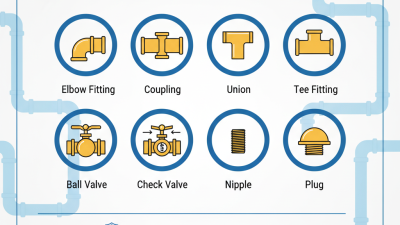
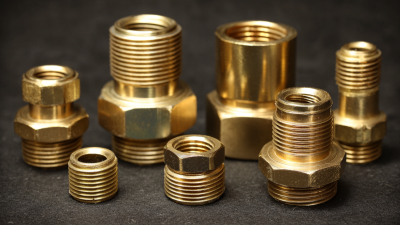
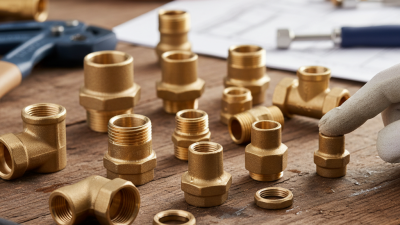
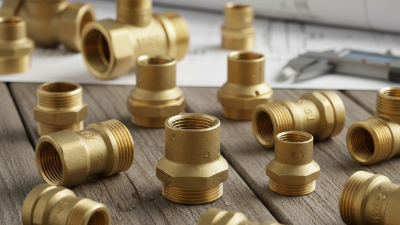
When selecting brass fittings for your projects, it’s essential to understand the various types available and their specific applications. Brass fittings come in several designs, including elbow, tee, and couplings. Each type serves a unique purpose, depending on your plumbing or construction needs. Consider factors such as pressure ratings and compatibility with other materials.
Tips for choosing the right fittings include examining the environment where they will be used. For outdoor or damp conditions, ensure that you're selecting fittings resistant to corrosion. This can extend the lifespan of your project significantly. Also, gauge the required strength. Some applications may demand more robust fittings.
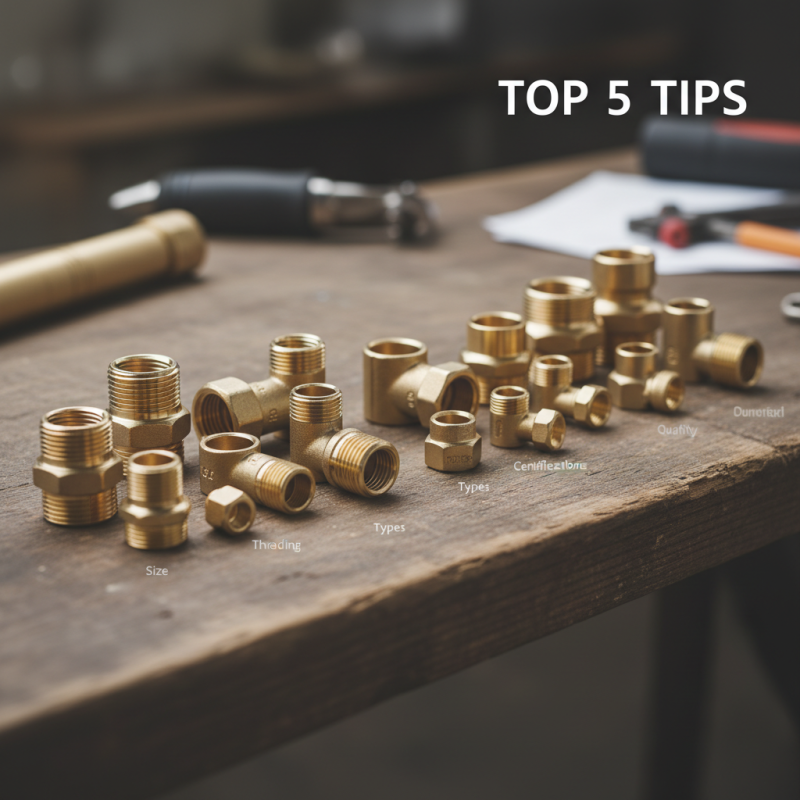
Fittings vary in quality and appearance. Cheaper brass fittings might seem tempting, but they often compromise quality. This can lead to leaks or failures down the line. It’s worth investing in reliable, high-quality options, even if it means higher initial costs. Always inspect each fitting for imperfections and consider their intended application carefully.
Assessing Size and Compatibility for Optimal Brass Fittings Selection
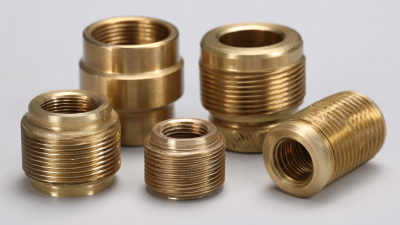
Choosing the right brass fittings involves careful assessment of size and compatibility. Measurements play a crucial role. A fitting that seems perfect may not work if it doesn't match the pipe dimensions. Measure both the diameter and the thread size. Precision in these details cannot be overstated. If the fitting is too tight, it will not seal properly. Conversely, a loose fitting can lead to leaks.
Compatibility goes beyond size. Different applications require specific types of fittings. Consider the environment where the fitting will be used. Will it handle high pressure? Is it exposed to corrosive materials? These factors can influence your choice significantly. Reflecting on past projects may reveal mistakes made due to overlooking these details. Testing a few samples can provide valuable insights.
It’s tempting to rush this decision. However, taking the time to fully evaluate size and compatibility can save you headaches later. Don’t ignore manufacturer guidelines and specifications. They often provide insights that are easy to overlook but essential for success. Balancing all these aspects will ensure you select the optimal brass fittings for your needs.
Evaluating Cost vs. Performance in Brass Fittings for Your Projects
When evaluating brass fittings for any project, cost and performance are vital. According to industry reports, brass fittings offer a strong balance between affordability and durability. Typically, they are rated for high-temperature applications, enduring up to 200°C. However, not all brass fittings are equal, and variations in alloy composition can influence overall performance.
A study by the American Society of Mechanical Engineers indicated that fittings with higher copper content improve corrosion resistance. This can lead to a longer lifespan and less frequent replacements, ultimately saving costs. Nevertheless, these premium options can be pricier initially. Builders must assess how long they plan to use the fittings. Over time, investing in higher-quality brass can yield better value.
Moreover, not all projects require top-tier materials. For temporary setups, low-cost brass fittings may suffice. These can compromise performance but can be suitable for short-term uses. It’s essential to project needs against budget constraints while balancing quality and expense. Remember, the initial price does not always reflect long-term value. Consider potential costs from maintenance or replacements when making your choice.
Exploring Maintenance and Long-term Care for Brass Fittings Usage
Brass fittings require careful long-term maintenance to ensure functionality and longevity. Regular cleaning is essential. The American Society of Mechanical Engineers suggests cleaning brass components with mild soap and water. A soft cloth prevents scratches. Harsh chemicals can damage the finish, leading to corrosion over time.
Proper storage also plays a key role in brass fitting care. Humidity should be controlled to minimize tarnishing. A study by the Brass Association indicates that brass fittings exposed to fluctuating temperatures show a significant decline in lifespan. This highlights the importance of consistent storage conditions.
Inspecting fittings regularly can reveal potential issues. Look for signs of wear or corrosion. Addressing problems early saves costs and time. According to the National Association of Plumbing and Heating Contractors, routine inspections can catch 70% of future failures. Neglect can lead to larger, costly repairs later, affecting project success.
Top 5 Tips for Choosing Brass Fittings for Your Projects
| Tip |
Description |
Maintenance Consideration |
Long-term Care Advice |
| Consider Material Quality |
Choose high-quality brass for durability and corrosion resistance. |
Regularly check for signs of wear or corrosion. |
Clean with a brass cleaner to prevent tarnishing. |
| Select the Right Size |
Ensure fittings are compatible with the pipes or fixtures you are using. |
Measure dimensions accurately before installation. |
Recheck fittings periodically to confirm they remain secure. |
| Understand Pressure Ratings |
Select fittings that can handle the pressure of your system. |
Monitoring system pressure can help prevent failures. |
Replace fittings if pressure rating is exceeded regularly. |
| Consider Finish Type |
Choose a finish that matches your aesthetic and functional needs. |
Finish can deteriorate over time; check frequently. |
Opt for non-tarnishing finishes for easier care. |
| Check for Certification |
Ensure fittings meet industry standards for safety and reliability. |
Use certified fittings for peace of mind. |
Review certifications periodically for updates. |