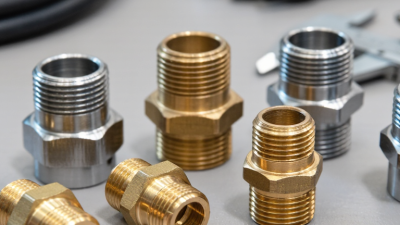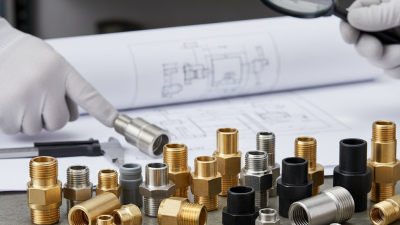
A small fitting can determine whether a tubing connection stays dry or develops a slow, costly leak. Compression Fittings join tubing by tightening a nut around a ferrule, creating a seal without soldering. That sounds simple. In practice, choosing the right one depends on more than matching a tube to a fitting. Tube outside diameter, wall thickness, material, fluid, operating pressure, and temperature all matter.
Start by checking the tubing manufacturer’s specifications and the fitting maker’s published limits. A stainless-steel fitting may suit one system, while brass or another compatible material may be more appropriate elsewhere. Confirm that the fitting, ferrule, and tubing are designed to work together. Mixing parts that look similar can lead to poor sealing or damaged tubing. It is easy to overlook one detail.
Installation conditions also deserve attention. A connection near a vibrating pump may need different consideration from one on a stationary instrument panel. Check thread type, available clearance, and whether the joint will need frequent inspection. Follow the manufacturer’s assembly instructions, including any guidance on tube preparation and tightening. Do not rely on extra force to fix a connection that feels wrong. That can make it worse.
This guide explains how to compare fitting materials, sizes, pressure ratings, and connection styles. It also looks at common selection mistakes and practical checks before installation. There is no single fitting for every job; careful verification is part of choosing well.
Before choosing a compression fitting, identify the fluid precisely. “Water” may mean clean water, treated water, or water containing additives. Each can affect seal and fitting material compatibility. Check the fluid’s temperature and concentration, not just its everyday name. Names matter. If the fluid is uncertain, consult its safety data and the fitting manufacturer’s compatibility information.
Set the operating pressure range, including surges and pressure cycling. A system that usually runs at 6 bar may briefly see much more during startup or valve closure. Compare the fitting’s pressure rating at the actual operating temperature; ratings can change as temperature rises. Hot service? Check the data sheet. Do not assume a rating at room temperature applies unchanged to a heated line.
Confirm the tube’s outside diameter, wall thickness, and material, then match them to the fitting specifications. Also consider vibration, frequent maintenance, and whether the connection will be accessible for inspection. A perfect-looking selection can still leak if the tube is scratched or poorly prepared. This detail is easy to overlook. I would verify the fluid, pressure, and temperature together, because checking each separately can hide a mismatch.
How to Choose the Right Compression Fittings?
Choose Fitting Geometry for the Application: ISO 8434-1 Covers 24° Cone Connections
A 24° cone connection can be a practical choice for hydraulic and general fluid-power lines. ISO 8434-1 defines requirements for this fitting geometry, helping designers match connection dimensions across compatible components. The angle is only one part of the selection. Tube outside diameter, working pressure, material, and fluid compatibility also matter.
Look closely at the tube end and fitting seat before assembly. A burr, scratch, or slight misalignment can interfere with sealing. Clean parts, align the tube without forcing it, and follow the fitting maker’s installation instructions for tightening. Small details matter. A joint may look secure yet still seep under pressure.
ISO conformity does not automatically make every 24° fitting interchangeable or suitable for every system. Check the applicable size series and confirm that the tube, fitting, and operating conditions are compatible. Temperature changes and vibration may also affect service life. A sensible selection leaves room for these real-world conditions, though no checklist can replace careful inspection.
Choose fitting geometry for the application: ISO 8434-1 covers 24° cone connections.
The chart compares nominal geometry angles: ISO 8434-1 24° cone, SAE J514 37° flare, and SAE J512 45° flare. These are distinct connection geometries, not interchangeable options. Confirm the applicable standard, tube size, pressure rating, and material before selecting a fitting.
Choosing a compression fitting starts with the fluid, but the tube specification matters just as much. ASTM A269/A269M covers seamless and welded austenitic stainless steel tubing for general service; it does not certify the fitting or the whole assembly. ASTM’s Table 2 lists TP316L tubing minimums of 70 ksi tensile strength, 25 ksi yield strength, and 35% elongation. These figures help assess the tube, not predict corrosion life or connection strength. Details matter.
Match the fitting material to the fluid, temperature, pressure, and tubing dimensions. Check the tube’s outside diameter and wall thickness against the fitting maker’s specified range; a ferrule cannot reliably compensate for an undersized or out-of-round tube. For chloride-containing fluids, evaluate concentration and operating temperature carefully, since stainless grades do not offer unlimited pitting resistance. I would not treat “316L” as a complete compatibility answer. ASTM A269 supplies a useful baseline, while a corrosion review and pressure-rating check address conditions the standard alone cannot resolve. A clean, square tube end and a controlled tightening procedure also reduce the chance of leaks during service.
| Service or fluid | Possible tubing material | Possible fitting material | ASTM A269 relevance | Selection checks |
|---|---|---|---|---|
| Indoor water or general-purpose instrumentation service | 304/304L stainless steel tubing, where the water chemistry and environment are suitable | Stainless steel fitting compatible with the tube; brass may be considered for suitable water systems | ASTM A269 includes TP304 and TP304L seamless and welded austenitic stainless steel tubing for general service | Check water chemistry, temperature, pressure, tube wall thickness, and the fitting maker’s tube requirements. |
| Process water with elevated chloride content or coastal exposure | 316/316L stainless steel tubing may offer improved resistance to chloride-related corrosion compared with 304/304L; suitability still depends on conditions | 316/316L stainless steel fitting, subject to compatibility and service conditions | ASTM A269 includes TP316 and TP316L tubing grades | Chloride concentration, temperature, crevices, deposits, and stagnant conditions can affect corrosion. Do not assume 316L is suitable for every seawater or brine application. |
| Mildly corrosive chemical service | 304/304L or 316/316L tubing, selected only after checking the specific chemical and concentration | Fitting material compatible with both the fluid and tubing; matching stainless-steel grades can simplify material compatibility | ASTM A269 specifies requirements for qualifying stainless steel tubing; it does not establish chemical compatibility for a particular fluid | Verify concentration, temperature, impurities, pressure, and exposure duration against reliable corrosion data or a qualified materials specialist. |
| Clean gas or instrument air | 304/304L or 316/316L stainless steel tubing; other tubing materials may be appropriate for a system designed for them | Fitting designed for the selected tube material, outside diameter, wall thickness, pressure, and gas service | A269 stainless tube can be specified when stainless tubing is required; the standard does not qualify the complete fitting assembly | Confirm pressure rating, leak-tightness requirements, cleanliness, tube hardness, and proper assembly procedure. |
| High-purity or hygienic process service | Often 316L stainless steel tubing; surface finish and cleanliness requirements depend on the application | 316L or another specified compatible material, with a connection design suitable for the required cleanliness level | ASTM A269 covers tubing requirements but does not by itself specify hygienic design, surface finish, or system cleanliness | Specify surface finish, cleaning, passivation, dead-leg limits, and applicable industry or project requirements separately. |
| Hydraulic or other pressurized service | Seamless or welded stainless tubing selected for the design pressure, temperature, and applicable code | Fitting specifically rated for the selected tubing dimensions, material, and operating conditions | A269 may apply to the stainless tube specification; it does not set the pressure rating of the assembled compression connection | Use the fitting manufacturer’s pressure tables and installation instructions. Check wall thickness, tube condition, vibration, and temperature derating. |
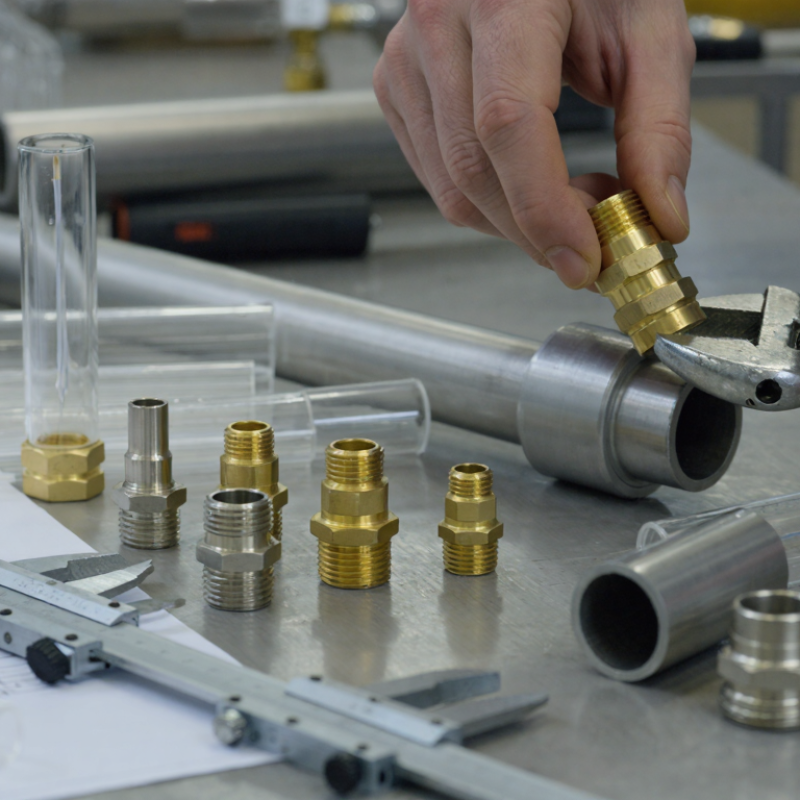
Before selecting a compression fitting, measure the tube’s outside diameter at a clean, straight section—not across a bend or damaged end. DIN 2353 covers metric tubes from 4 to 42 mm outside diameter and uses 24-degree cone connections. That range is not a promise that every fitting suits every tube. Close is not enough.
Wall thickness matters just as much. Two tubes with the same outside diameter can have different pressure capacities and may require different fitting series. DIN 2353 and ISO 8434-1:2018 provide dimensional and performance requirements for these connections; check the applicable tube and fitting tables rather than guessing from appearance. A caliper can check outside diameter, while a wall-thickness gauge or micrometer helps confirm the tube wall. Small mismatch, big trouble.
In a workshop, a tube can look correct yet sit poorly if it is oval, scratched, or measured near a cut edge. Recheck the diameter in more than one direction, then compare the measured wall thickness with the system design data for its material and operating pressure. I still find wall thickness easy to overlook. Do not treat a nominal size as a substitute for measurement.
How to Choose the Right Compression Fittings?
A 10,000 psi label can be reassuring. It can also be misleading. Published instrumentation-industry catalogs list some fitting systems at pressures up to 10,000 psi, but that figure applies to specific assemblies and conditions. Check the exact fitting, tubing size, wall thickness, and material—not just the headline rating. One detail is easy to miss.
ASME B31.3-2022, Process Piping, addresses design conditions, materials, and pressure-temperature requirements; it does not make every fitting suitable for every service. ASTM A269/A269M specifies requirements for certain stainless-steel tubing, but tubing compliance alone does not establish an assembly’s pressure rating. Ask for the manufacturer’s rating table and installation instructions. Check temperature limits, fluid compatibility, vibration, and pressure cycling, too. Hot service may require a lower allowable pressure. A carefully rated fitting can still leak if the tube is scratched, cut unevenly, or assembled incorrectly. I would verify the complete tube-and-fitting combination against the operating pressure, including foreseeable surges. It is tempting to size right up to the maximum. That leaves little room for uncertainty.