China Top Press Fittings Manufacturers How to Choose?

Choosing among China’s top Press Fittings manufacturers requires more than comparing prices or browsing attractive catalogs. A reliable supplier should demonstrate consistent production, tested materials, and clear quality controls. Buyers should examine stainless steel or copper grades, dimensional accuracy, sealing performance, and pressure ratings. A fitting may look flawless on a website, yet perform poorly after repeated thermal cycling. That difference matters.

Practical evaluation begins with factory evidence. Request material certificates, batch records, pressure-test reports, and samples from current production. Check whether the manufacturer follows relevant standards, such as ISO 9001 and applicable EN, ASTM, or ASME requirements. Certification alone is not enough. Verify the issuing body, certificate scope, and expiration date. A serious manufacturer should explain its testing equipment, inspection frequency, and traceability process without avoiding specific questions.

Small details reveal experience. Inspect the press profile, O-ring material, surface finish, and packaging protection. Ask how the supplier controls mixed batches and handles nonconforming products. An on-site audit or independent inspection can confirm whether the factory matches its presentation. This step may feel expensive. It can prevent costly leaks later.

There is no perfect shortlist.

Some manufacturers offer advanced automation but weaker communication. Others provide flexible customization but limited laboratory capacity. The best choice depends on project pressure, fluid type, installation tools, delivery schedule, and local compliance needs. Compare evidence, not promises. A dependable China Press Fittings manufacturer should make risks visible, support technical decisions, and accept reasonable scrutiny before signing a long-term contract.
China Top Press Fittings Manufacturers How to Choose?

What Are Press Fittings and Where Are They Used?

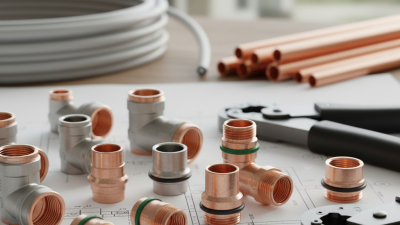
Press fittings are mechanical connectors designed to join pipes without threading, soldering, or welding. They commonly connect copper, stainless steel, carbon steel, and multilayer pipes. A pressing tool compresses the fitting around the pipe, while an internal seal creates a controlled, leak-resistant joint. No flame is needed. That matters in occupied buildings, hospitals, and renovation projects where heat can create hazards.

These fittings are used in drinking-water systems, heating circuits, chilled-water lines, compressed-air networks, and selected gas installations. Gas applications require approved components, trained installers, and compliance with local regulations. On a building site, press fittings can reduce installation time and keep work areas cleaner. They are especially useful where access is narrow or open flames are unsuitable. Still, the pipe surface must be clean, square, and free from deep scratches.

When choosing a Chinese manufacturer, buyers should examine material certificates, pressure-test records, seal specifications, and production traceability. Tool compatibility also matters. A fitting may look precise but fail if the pressing profile is incorrect. I have seen project delays caused by mixed tools and unverified dimensions. That detail is easy to overlook. A dependable supplier should provide clear installation data, batch identification, inspection reports, and technical support. Third-party testing can add confidence, although paperwork alone does not prove field performance. Sample testing under realistic temperature and pressure conditions remains a wiser decision.

China Top Press Fittings Manufacturers: How to Choose?

What Are Press Fittings and Where Are They Used?

Press fittings are mechanical connectors that join pipes by compressing a fitting onto the pipe with a dedicated pressing tool. They are commonly used in potable-water distribution, heating systems, chilled-water and HVAC installations, fire-protection piping, and approved gas applications.

This chart shows the standard outside diameters of commonly used copper tube sizes based on ASTM B88 dimensional values. When choosing press fittings, match the fitting size to the actual tube outside diameter, confirm material compatibility, pressure and temperature ratings, required jaw profile, and applicable approvals for the intended service.

Which Standards and Materials Should You Compare?

When comparing China press fittings manufacturers, start with standards, not catalog photos. Copper systems should be checked against ASME B16.51 or equivalent national requirements. Stainless steel products need clear material grades, dimensions, and pressure testing records. For multilayer or plastic piping, ISO 21003 and ISO 15875 are useful references. A certificate without its testing scope proves little.

Material selection should match water chemistry, temperature, pressure, and installation conditions. Copper offers strong thermal performance, while stainless steel often handles aggressive environments better. Carbon steel can suit heating systems, but coating quality and corrosion protection require close inspection.

The UNEP 2023 Global Status Report for Buildings and Construction links buildings with about 34% of global energy demand and 37% of energy-related emissions. Small leakage risks still matter in large systems. They become expensive over time.

Ask manufacturers for batch traceability, dimensional inspection data, seal testing, and third-party certification. Compare elastomer compatibility too. EPDM, FKM, and other seals do not perform identically. Experienced buyers also check tool compatibility and service access. A neat spreadsheet can still mislead. Real samples may reveal rough edges, uneven pressing, or unclear markings. I would not treat every “international standard” claim as equal. Verify the edition, laboratory, test pressure, and product scope before approval.

How to Evaluate China’s Top Press Fittings Manufacturers

Evaluating China’s top press fittings manufacturers requires more than comparing prices. A reliable supplier should explain material grades, dimensional tolerances, and applicable standards clearly. Ask for mill certificates and batch traceability. The heat number should connect the fitting to a real production record.

Request samples before placing a large order. Inspect the pressing profile, sealing ring, surface finish, and thread accuracy. A practical test uses water pressure and repeated assembly.

Factory quality staff should record pressure, duration, and failure results. Photos help, but signed inspection reports provide stronger evidence. An audited facility is useful. It is not conclusive.

I once judged a supplier by fast replies and attractive packaging. That was a weak decision. The sample later showed uneven polishing near the joint.

Look for cutting, forming, annealing, machining, and testing equipment during a factory visit or video audit. Engineers should answer installation and compatibility questions without vague promises.

Check production capacity against your monthly demand, not just the stated annual output. Clear drawings, stable lead times, and a practical replacement policy also reveal professional habits.

Small details matter. A manufacturer that welcomes reasonable technical questions is usually easier to trust.

What Quality, Certification, and Testing Evidence Matters?

Choosing China’s top press fittings manufacturers requires more than comparing prices or polished catalogs. Quality evidence should be specific, current, and traceable. Ask for material certificates, production batch numbers, dimensional inspection records, and pressure test results. A reliable supplier should connect each report to the exact fitting shipment.

Look for ISO 9001 certification, but do not treat it as proof of product performance. It confirms a management system, not automatic fitting quality. For stainless steel fittings, request alloy details and certificates such as EN 10204 3.1 when applicable. Testing should cover leakage, pressure resistance, pull-out strength, corrosion behavior, and sealing performance. Test methods must match the intended pipe system and market requirements.

Independent evidence matters. Reports from laboratories accredited to ISO/IEC 17025 usually deserve more confidence than unsigned internal spreadsheets. Check the laboratory name, test date, sample identity, applied standard, and acceptance criteria. Ask whether samples came from normal production or were specially prepared. That detail can change the meaning of the report.

I have seen impressive documents fail basic traceability checks. It happens. A missing batch number or unclear standard should pause the purchase. Request factory audit records, calibration certificates, and corrective-action reports for previous defects. Product samples should be tested before large orders, especially when installation space is tight. A supplier that explains weaknesses openly may be more dependable than one claiming perfect results.

How to Compare Prices, Service, and Delivery Before Choosing?

Choosing a press fittings manufacturer should begin with landed cost, not the catalog price. Ask for a complete quotation covering fittings, tooling compatibility, packaging, freight, duties, and replacement parts. A low unit price may hide expensive delays. The World Bank’s Logistics Performance Index 2023 evaluates customs, infrastructure, tracking, and timeliness on a one-to-five scale. Request the supplier’s historical on-time delivery rate, not a promise.

Delivery risk deserves careful attention. UNCTAD’s Review of Maritime Transport reports that shipping carries over 80% of global merchandise trade by volume. Port congestion or schedule changes can therefore affect even a well-planned project. Compare standard and expedited lead times. Ask whether critical sizes are stocked and whether batch numbers remain traceable after shipment. Service matters too. A technically strong manufacturer should provide material certificates, dimensional inspection records, installation guidance, and a clear response time for claims. Relevant product standards and pressure-test evidence should be verified independently.

Price comparisons are often imperfect. Different suppliers may quote different alloys, wall thicknesses, seals, or inspection levels. Compare identical specifications line by line. For copper or stainless fittings, check corrosion resistance and sealing performance under the actual operating temperature. For multilayer systems, confirm compatibility with the pipe and pressing profile. I would also request two recent customer references, although references can be selective. A small pilot order may reveal packaging quality, communication speed, and dimensional consistency better than a polished presentation.