Top 10 Ball Valve Manufacturers in China for Global Buyers?
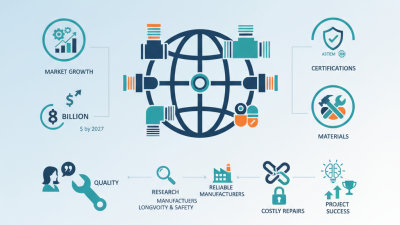
The global ball valve market is continuously evolving, driven by the increasing demand for efficient fluid regulation systems. According to a recent report by Market Research Future, the ball valve industry is projected to grow at a CAGR of 5.2% from 2021 to 2027. This growth reflects the rising adoption of ball valves across sectors like oil and gas, water treatment, and chemicals.
Industry expert Dr. Robert Lin, a renowned authority in valve technologies, noted, "Ball valves play a critical role in maintaining system efficiency and safety." As global buyers seek reliable partners, understanding the top manufacturers in China becomes essential. The Chinese market is home to several leading ball valve manufacturers known for their innovation and quality. However, not all manufacturers meet international standards, and buyers must remain cautious.
Navigating this dynamic landscape requires diligence. Buyers should not only focus on pricing but also consider the manufacturer’s reputation, product quality, and after-sales service. Engaging with certified experts can provide valuable insights, ensuring that purchasing decisions align with operational needs while maintaining high standards of reliability and performance.
Overview of Ball Valve Manufacturing in China
Ball valve manufacturing in China has seen significant growth and development over the past few years. The country's production capacity is enormous, with estimates suggesting that it contributes over 50% of the global market supply. In 2022, China's ball valve exports reached approximately 1.5 billion USD, indicating robust demand from international markets.
The manufacturing landscape is characterized by a mix of traditional craftsmanship and advanced technology. Many manufacturers leverage modern automation to enhance precision and efficiency. However, some facilities still rely on manual processes, which can lead to variability in product quality. This duality highlights the challenges in maintaining consistent standards across the sector.
Despite these hurdles, China's ball valve industry continuously evolves. Reports indicate that the market is projected to grow at a CAGR of around 5% from 2023 to 2028. This growth is driven by increased global infrastructure projects and rising energy demand. Companies are also investing in research to develop more resilient materials. The need for eco-friendly products is becoming a focal point, yet execution remains a complex challenge for many players in the industry.
Criteria for Selecting Top Ball Valve Manufacturers
When selecting a top ball valve manufacturer in China, there are key criteria to consider.
Quality assurance is paramount. According to a report by the China Valve Industry Association,
companies adhering to ISO 9001 standards have a 30% higher customer satisfaction rate.
This certification ensures a systematic approach to quality management, fostering reliable manufacturing processes.
Next is innovation and technology. The global ball valve market is expected to reach approximately
$9 billion by 2026, driven by advancements in materials and design.
Manufacturers investing in R&D are likely to offer superior products.
Look for those with a history of significant technological upgrades.
Lastly, customer service plays a vital role. A responsive and knowledgeable support team can greatly enhance
the buying experience. Almost 70% of buyers indicate that excellent customer service influences their choices.
Manufacturers that focus on these aspects tend to build lasting relationships with clients while maintaining
their market position. The journey of selecting the right manufacturer should be informed by these criteria,
encouraging a careful analysis of what each company can offer.
List of the Leading Ball Valve Manufacturers in China
China stands as a pivotal hub for ball valve manufacturing, showcasing a blend of innovation and expertise. The nation produces over 70% of the world's ball valves, highlighting its dominance in this sector. Recent industry reports indicate that the market value of ball valves is expected to surpass $8 billion by 2025, driven by the rising demand in sectors like oil and gas, water treatment, and chemical processing. These valves are essential for regulating flow, making them critical in various applications.
Leading manufacturers prioritize technology and quality control. They invest heavily in advanced manufacturing techniques and adhere to rigorous safety standards. A significant trend is the adoption of automation, enhancing precision while reducing production costs. However, challenges remain. Some manufacturers struggle with maintaining consistent quality across batches. This inconsistency can impact performance and longevity, factors crucial for global buyers.
Additionally, regional competition is intensifying. Many newcomers are entering the market, offering lower prices. While this increase in options may benefit consumers, it raises concerns about quality control. Buyers must carefully assess manufacturers’ certifications and customer reviews. Data from recent surveys indicate that 40% of buyers have reported quality issues with certain suppliers. Thus, the selection process requires vigilance and a thorough understanding of the market landscape.
Top 10 Ball Valve Manufacturers in China
Company Profiles of Top Ball Valve Manufacturers
When exploring ball valve manufacturers in China, several key players stand out for their expertise and quality. These companies specialize in various valve technologies, providing a range of products that cater to multiple industries. Each manufacturer typically features a robust supply chain and adheres to international standards for production. Their experience in the market shapes their commitment to innovation and reliability.
One prominent aspect is their ability to customize products based on client needs. Many manufacturers invest in research and development, which drives advancements in valve design and efficiency. However, the importance of thorough research cannot be overstated. Sometimes, companies overpromise on performance, leading to potential discrepancies in expectations versus reality.
Quality assurance is vital in this competitive landscape. Manufacturers often participate in audits and certifications, building trust with buyers. Communication also plays a role in establishing reliability. Misunderstandings can arise, impacting timelines and delivery. Therefore, building clear, open lines of dialogue is essential. Global buyers should take time to evaluate each company’s strengths and weaknesses to make informed decisions.
Top 10 Ball Valve Manufacturers in China for Global Buyers
| Manufacturer |
Headquarters Location |
Year Established |
Annual Revenue (USD) |
Export Markets |
| Manufacturer A |
Beijing |
1995 |
5,000,000 |
North America, Europe |
| Manufacturer B |
Shanghai |
2001 |
7,500,000 |
Asia, South America |
| Manufacturer C |
Guangzhou |
1989 |
3,000,000 |
Europe, Australia |
| Manufacturer D |
Shenzhen |
2005 |
10,000,000 |
Middle East, Africa |
| Manufacturer E |
Dongguan |
2010 |
2,500,000 |
Asia, Europe |
| Manufacturer F |
Nanjing |
1990 |
8,000,000 |
North America, South America |
| Manufacturer G |
Hangzhou |
1998 |
4,500,000 |
Europe, Asia |
| Manufacturer H |
Suzhou |
2002 |
6,200,000 |
Middle East, Australia |
| Manufacturer I |
Tianjin |
2015 |
1,800,000 |
North America, Europe |
| Manufacturer J |
Chengdu |
2000 |
3,200,000 |
Asia, Middle East |
Global Impact of Chinese Ball Valve Exporters
The global market for ball valves is increasingly influenced by Chinese manufacturers. In 2022, China's ball valve exports reached approximately $2.5 billion, reflecting its dominance in the industry. This surge indicates a robust demand from international markets. Chinese exporters now supply about 35% of the world's ball valves, showcasing their significant role in meeting global needs.
Quality remains a critical issue. While Chinese manufacturers offer competitive pricing, some products have faced scrutiny for inconsistent quality. Many buyers report challenges with durability and performance in extreme conditions. This highlights the importance of thorough product inspection and supplier evaluation. Buyers must weigh cost against reliability.
Reports indicate that the Asian-Pacific region is the largest market for ball valves. As industries around the globe focus on infrastructure and energy, demand will likely grow. However, buyers are urged to conduct comprehensive market research. Understanding supplier capabilities is essential. While the competitive landscape is promising, the need for quality assurance cannot be overstated.