Top Ball Valve Types for Global Buyers Seeking Quality?
In today's industrial landscape, ball valves play a crucial role in fluid control systems. Buyers across the globe seek high-quality ball valves that meet stringent standards. Different types of ball valves cater to varying needs in various industries, such as oil and gas, water treatment, and manufacturing. Each type has distinct features and applications, making the selection process challenging.
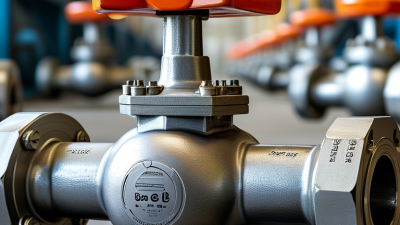
Understanding the nuances of each ball valve type is essential. Factors like material, size, and design influence performance and longevity. For instance, a stainless steel ball valve offers corrosion resistance, while a PVC valve is lightweight and cost-effective. Quality matters because substandard valves can lead to leaks, downtime, and safety issues.
However, despite abundant choices, buyers must exercise caution. Not all suppliers prioritize quality or reliability. Researching manufacturers' credentials and customer reviews can be illuminating. Buyers can often overlook these details, risking their operations. In this article, we explore the top ball valve types, focusing on their characteristics and suitability for various applications.
Understanding Ball Valve Basics and Their Importance in Industry
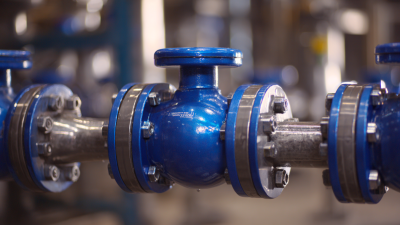
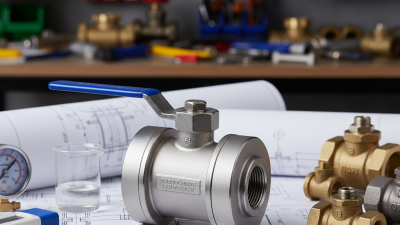
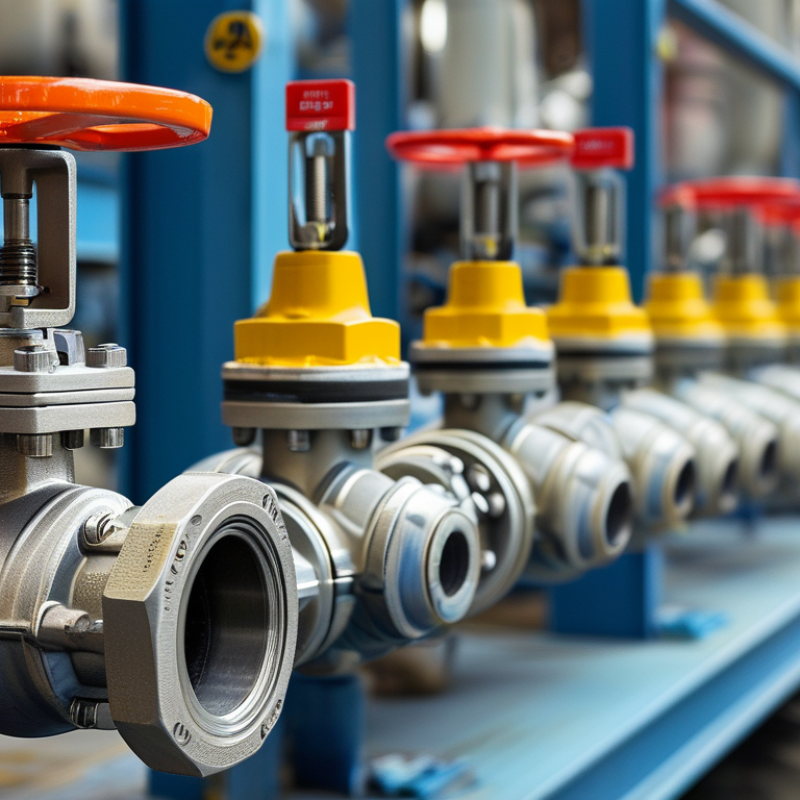
Ball valves play a crucial role in various industrial applications. They are designed to control the flow of liquids and gases with ease. Understanding the basic structure of a ball valve helps in appreciating its significance in operations. Typically, these valves have a spherical disc that can be rotated to stop or allow flow. This simple mechanism ensures quick and reliable operation.
In many industries, the choice of a ball valve can impact efficiency and safety. For example, in oil and gas, a reliable valve can prevent leaks. It’s essential to consider factors like material and size for specific applications. However, not all ball valves are created equal. Some might not perform well under extreme temperatures. This variances can lead to operational challenges, necessitating careful selection. Understanding these details can empower buyers to make informed decisions in sourcing quality ball valves.
Top Ball Valve Types in Global Market
This chart illustrates the popularity of different types of ball valves in the global market. The Floating Ball Valve is the most widely used, followed by Trunnion Ball Valves and others, highlighting the preferences in industrial applications.
Key Features to Consider When Choosing a Ball Valve
When choosing a ball valve, several key features require consideration. The material of the valve body is crucial. Stainless steel is often preferred for its durability and resistance to corrosion. In fact, according to a recent market research report, over 40% of global ball valves are made from stainless steel. This material provides strength in high-pressure applications and enhances the overall lifespan of the valve.
Another essential feature is the valve size and connection type. A proper fit is necessary to ensure optimal performance. Many buyers overlook the importance of pressure ratings. A valve must align with the system’s pressure capacity to prevent failures. Reports from industry experts indicate that up to 25% of valve malfunctions result from mismatched pressure ratings.
Additionally, consider the sealing mechanism. PTFE seals are popular for their reliability, especially in fluid handling. They can withstand a wide temperature range. However, the long-term performance of these seals might vary depending on environmental conditions. Choosing the right combination of features maximizes efficiency. Understanding these details is crucial for ensuring that you make a well-informed decision in the selection process.
Different Types of Ball Valves and Their Applications
When discussing ball valves, several types stand out for their unique applications. Floating ball valves are commonly used in low-pressure systems. They operate by allowing the ball to float within the seat, sealing tightly when pressure is applied. This design is favored for its simplicity and reliability in water and gas applications.
Trunnion ball valves offer a different mechanism. These valves have a fixed ball that is supported by trunnions. They excel in high-pressure environments, making them ideal for oil and gas projects. Their robust design minimizes wear and provides stability, ensuring they perform consistently over time.
Each type presents advantages and drawbacks.
Floating ball valves can wear out quicker in harsh conditions. On the other hand,
trunnion valves can be heavier and more expensive. Buyers must consider these factors when selecting the right type for their needs. Understanding the specific applications will lead to better choices and improved efficiency in operations.
Quality Standards and Certifications for Ball Valves
When selecting ball valves, quality standards and certifications play a crucial role. The ISO 9001 certification is one of the most recognized. This standard emphasizes consistent quality management systems. A report by the Engineering and Manufacturing Association states that over 60% of manufacturers seek ISO-certified suppliers.
Another key aspect is the API 6D certification, particularly for valves in the oil and gas sector. This certification ensures robust design and reliable performance. According to industry data, approximately 25% of global oil and gas projects require API-certified valves. This statistic highlights the demand and the crucial nature of these certifications.
Moreover, compliance with specific material standards such as ASTM and ASME ensures durability and safety. A significant percentage of failure rates in valve systems stem from non-compliance with these standards. While many manufacturers claim compliance, real-world performance often reveals gaps. Buyers must conduct due diligence to verify certifications. High-quality valves are essential for maintaining operational integrity and safety in various industries.
Top Manufacturers Recognized for Quality Ball Valves Worldwide
When considering ball valves, buyers must focus on quality and reliability. Many manufacturers are recognized for their outstanding products on a global scale. These companies invest in advanced technology and stringent testing procedures. They ensure their valves can withstand demanding environments.
Selecting a quality manufacturer can sometimes feel overwhelming. Look for certifications that highlight compliance with industry standards. Additionally, research the manufacturer's reputation within the industry. Customer reviews can provide valuable insights into the performance and durability of their products.
**Tip:** Don’t rush your decision. Take the time to compare different suppliers thoroughly.
The choice of materials is another critical factor influencing valve performance. High-quality materials enhance longevity and resistance to corrosion. Always ask for details regarding the materials used in the manufacturing process. It’s a point often overlooked but crucial for ensuring lasting performance.
**Tip:** Engage with technical support teams from potential suppliers to assess their expertise. Their responses can reveal much about their commitment to quality.
Top Ball Valve Types for Global Buyers Seeking Quality
| Valve Type |
Material |
Size (Inches) |
Pressure Rating (PSI) |
End Connection Type |
| Floating Ball Valve |
Stainless Steel |
1/2 - 24 |
150 - 3000 |
Flanged |
| Trunnion Ball Valve |
Carbon Steel |
2 - 48 |
150 - 6000 |
Welded |
| Full Port Ball Valve |
Brass |
1/4 - 4 |
150 - 800 |
Threaded |
| Floating Ball Valve |
PVC |
1/2 - 6 |
50 - 150 |
Socket Weld |
| V-Port Ball Valve |
Alloy |
3/4 - 10 |
150 - 3000 |
Flanged |