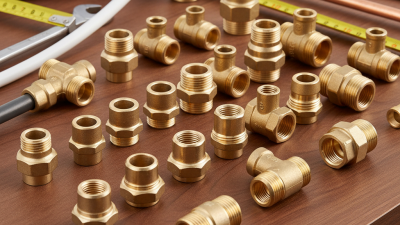
What Are the Top Brass Fittings for Buyers in 2026?

Choosing the top Brass Fittings in 2026 is less about finding one universal winner and more about matching a fitting to its job. Compression, threaded, flare, and push-to-connect designs each solve different installation needs. A fitting that works neatly on a compact water line may not suit a high-vibration assembly. Small details matter.

Buyers should compare material composition, dimensions, connection style, pressure and temperature ratings, and compatibility with the fluid and adjoining components. Check the manufacturer’s documentation, including applicable thread specifications and product certifications. For potable-water applications, verify that the product meets requirements in the intended market. These checks can prevent leaks, premature wear, and costly rework. A polished finish alone proves little.

In this guide, we’ll look at practical fitting categories and explain what distinguishes them, from easy-to-service compression connections to sturdy threaded options. We’ll also consider where brass offers useful strength and machinability, and where environmental conditions may call for another material. Prices and availability can shift, so a popular product is not automatically the best value. I’d be cautious about any ranking that ignores the application; even a clear comparison can miss an unusual operating condition. Use the criteria here as a starting point, then confirm fit and specifications with the supplier before ordering.
What Are the Top Brass Fittings for Buyers in 2026?

What Brass Fittings Are and How They Are Classified

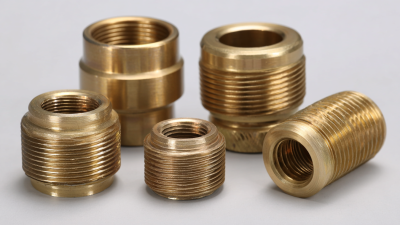
Brass fittings are connectors made mainly from copper and zinc, though small amounts of other elements may affect strength or machinability. Their warm, gold-colored surface is easy to recognize, but appearance alone cannot confirm the alloy or its suitability. Check the product specification and intended service conditions.

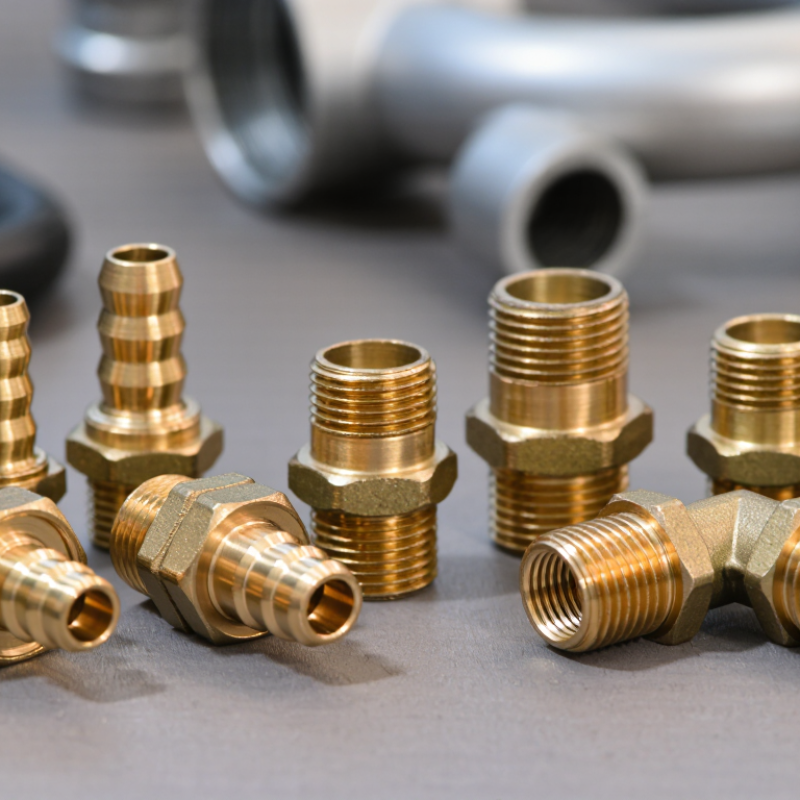
Brass fittings are commonly classified by function, connection type, and shape. Function may include joining, branching, reducing, or controlling flow. Connection styles include threaded, compression, and push-fit designs, each requiring compatible tubing and installation methods.

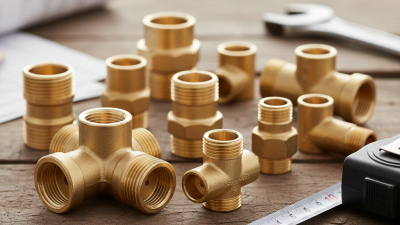
Shape helps narrow the choice. Elbows turn a line, tees create a branch, and couplings join two matching ends. Reducers connect different sizes.

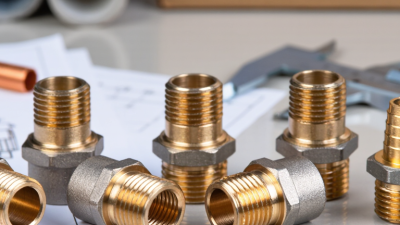
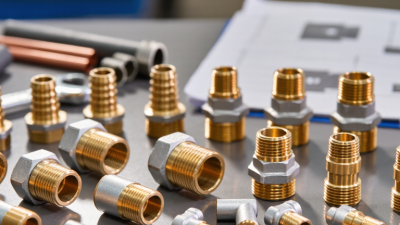
Small details matter: a thread that looks close may still leak if its standard differs. For water, air, or other systems, confirm pressure and temperature ratings, fluid compatibility, and any required sealing method.

A fitting that works well on a bench may behave differently after repeated vibration or temperature changes. Classification is useful, but it is not always tidy; some fittings serve more than one purpose. Measure the pipe, inspect the mating threads, and follow the manufacturer’s technical data before installation.

Key Factors Buyers Should Consider When Choosing Brass Fittings

When choosing brass fittings, match the alloy to the fluid, pressure, temperature, and installation environment. A fitting for a garden line may not suit potable water or a hot-water loop. Check the alloy, connection type, pressure rating, and temperature range on the technical sheet. Small details matter. Thread standards and seal materials can cause leaks even when the fitting body is sound.

For drinking-water applications, verify third-party certification and lead content rather than relying on “brass” alone. The U.S. EPA defines lead-free plumbing products as having a weighted average of no more than 0.25% lead across wetted surfaces. The Copper Development Association’s alloy data lists C36000 brass at 2.5–3.7% lead, a clear reason to check the exact alloy and intended use. For corrosive water, ask for test data on dezincification resistance; water chemistry can change performance. Also compare installation access and maintenance needs. A compact fitting may look tidy, but be awkward to tighten in a crowded cabinet. I would double-check the specification against the actual service conditions; a catalog rating alone can miss a detail that matters on site.

Top Brass Fitting Types for Plumbing, HVAC, and Industrial Use

Brass fittings serve plumbing, HVAC, and industrial systems, but the best choice depends on the tube, fluid, pressure, and installation method. In plumbing, compression fittings connect copper tubing without soldering, while threaded elbows, tees, and couplings help route pipe around cabinets and walls. For small repairs, a correctly sized adapter can prevent unnecessary pipe replacement. Fit matters.

HVAC systems may use brass flare fittings on compatible lines, but always follow the equipment specifications and required pressure ratings. Industrial setups often rely on unions for service access, hose-barb fittings for flexible tubing, and bulkhead fittings through tanks or panels. Brass resists corrosion in many settings, yet water chemistry, temperature, and contact with other metals can affect performance. I would not treat it as corrosion-proof. A fitting that looks right on the bench can still leak after vibration or thermal cycling.

Tips: Measure outside diameter and check thread type before ordering. Confirm pressure and temperature limits for the actual application. Use compatible sealing methods, and inspect joints after installation. If the system carries an unusual fluid, verify material compatibility rather than guessing.

What Are the Top Brass Fittings for Buyers in 2026? - Top Brass Fitting Types for Plumbing, HVAC, and Industrial Use
Fitting Type Typical Connection Common Applications Key Advantages Buyer Checks
Threaded fittings Female or male pipe threads; tapered or straight thread forms depend on the system and region Water distribution, HVAC equipment connections, compressed-air lines, and general industrial piping Widely available in elbows, tees, couplings, reducers, and adapters; can be assembled with common tools Match thread type, size, and sealing method. Do not assume that similarly sized thread standards are interchangeable.
Compression fittings A nut compresses a ferrule onto the outside of compatible tubing Small-bore water lines, instrumentation, refrigeration service connections, and some fuel or air systems Can connect tubing without soldering or welding; useful where flame-free assembly is preferred Confirm tubing material, outside diameter, wall thickness, and pressure rating. Follow installation instructions to avoid leaks or tube damage.
Flare fittings A flared tube end seals against a matching fitting seat Refrigeration and air-conditioning lines, hydraulic applications, and selected fuel or gas connections Creates a metal-to-metal connection and can be disassembled for service when correctly installed Verify flare angle and tube specification for the system. Use only where the equipment and applicable code permit brass components.
PEX barb fittings Barbed insert fitting secured inside PEX tubing with a compatible ring or clamp system Hot- and cold-water distribution and hydronic heating systems designed for PEX Suitable for concealed or manifold-based plumbing layouts when installed with the specified joining method Match the fitting to the PEX type, size, and joining system. Check potable-water approvals and local requirements.
Push-to-connect fittings Tubing is inserted into a fitting that seals and grips it with internal components Maintenance connections, water lines, pneumatic circuits, and selected HVAC service applications Quick installation and removal can simplify work in accessible locations Confirm that the fitting is rated for the fluid, temperature, pressure, and tubing material. Check whether the product is approved for concealed use.
Hose barb fittings Hose slides over a barbed shank and is commonly retained with a clamp Low-pressure water transfer, drains, pumps, equipment connections, and general-purpose hoses Simple connection for flexible hose; available in straight, elbow, and adapter forms Match barb size to the hose inside diameter and confirm hose compatibility, clamp requirements, and operating pressure.
Unions Two pipe ends join through a central nut and matching sealing faces Plumbing repairs, pumps, valves, boilers, and equipment that may need periodic removal Allows a section of piping to be disconnected without rotating the connected pipework Check end connections, sealing-face design, access for tightening, and pressure and temperature limits.
Reducing fittings and adapters Connect different pipe sizes or transition between connection types Equipment tie-ins, branch lines, plumbing alterations, and HVAC service assemblies Can simplify transitions between compatible pipe or tube systems Confirm both end sizes and connection standards. Avoid using an adapter to compensate for incompatible materials or unsuitable ratings.
Brass valves and valve fittings Threaded, compression, flare, or other specified end connections Shutoff and flow control in plumbing, heating, irrigation, and industrial utility lines Combines a flow-control function with familiar connection options Check valve type, flow direction if marked, media compatibility, pressure-temperature rating, and applicable approvals.

Selection note: Brass alloy composition, corrosion resistance, potable-water compliance, and allowable pressure and temperature vary by product and jurisdiction. Verify the fitting’s technical documentation, system compatibility, and local codes before purchase or installation.

How Materials, Standards, and Connections Affect Fitting Performance

A brass fitting’s performance starts with its alloy, not its appearance. Higher copper content can improve corrosion resistance, while zinc content and alloying additions affect strength and machinability. For potable-water use in the United States, the U.S. Environmental Protection Agency defines “lead free” as no more than 0.25% lead, weighted across wetted surfaces. Check certification against NSF/ANSI/CAN 61 as well: it evaluates contaminants that may leach into drinking water. A compliant label matters. So does the exact alloy and intended service.

Standards and connection details determine whether a fitting holds up in the field. ASTM B16 covers free-cutting brass rod, bar, and shapes; it does not, by itself, certify a finished fitting for every pressure or water condition. Match the fitting’s pressure and temperature ratings to the system, then verify thread form, sealing method, and pipe material. A tapered thread may seal with suitable sealant, while a compression joint depends on a correctly seated ferrule. Tiny misalignment can cause a slow drip. It happens. Also consider water chemistry: aggressive water can accelerate dezincification in susceptible alloys, so ask for alloy-specific evidence where risk is high. No single “top” fitting suits every installation. (Sources: U.S. EPA lead-free definition; NSF/ANSI/CAN 61; ASTM B16.)

What Are the Top Brass Fittings for Buyers in 2026?

How alloy composition, standards, and connections affect fitting selection

The bars show the upper end of each alloy’s specified lead-content range, or its maximum where a single limit is specified: C36000 (2.5–3.7%), C37700 (1.5–2.5%), and C69300 (0.09% max). These are alloy-composition figures, not a direct measure of fitting performance or drinking-water compliance. For potable-water use in the U.S., the “lead-free” definition applies a weighted average limit of 0.25% lead across wetted surfaces; check applicable product certifications, pressure and temperature ratings, and connection compatibility. Threaded, compression, and solder connections each require installation suited to the fitting and service conditions.

What Buyers Should Prioritize in the Brass Fittings Market in 2026

In 2026, buyers should compare brass fittings by alloy, application, and documented performance—not price alone. Confirm the alloy grade, pressure rating, temperature range, thread type, and dimensions before ordering. For potable-water use, request applicable health-effects certification and test documentation. Fit matters: a mismatched thread or seal can turn a small purchase into a leak and a costly call-back. A low quote can still be the wrong buy.

Supply conditions deserve attention, too. The International Copper Study Group’s October 2024 outlook forecast refined copper use of 26.7 million tonnes in 2024, a 2.2% year-over-year increase. That is a market signal, not a direct forecast for brass-fitting prices. Ask suppliers how they manage material changes, keep batch records, and verify critical dimensions. Check sample parts with calipers; paperwork alone may miss a machining issue.

Tips: Compare total delivered cost, including seals, freight, and rejected-part risk. Ask for a recent inspection report and traceability details. Keep one approved sample for later checks. Small steps help. Still, supplier documents do not replace your own fit and pressure checks.