Why Choose OEM Precision Parts for Your Business?
A small dimensional error can create a large problem on an assembly line. A shaft may bind, a bracket may sit unevenly, or a seal may fail to fit. That is why many businesses consider Oem Precision Parts when sourcing components for repeat production. The right supplier can manufacture parts to agreed drawings, material specifications, and tolerances. It can also help keep quality consistent across batches. Details matter.
Selecting a supplier takes more than comparing unit prices. Buyers should review inspection methods, sample results, material documentation, production capacity, and delivery schedules. Ask how measurements are recorded and what happens when a part falls outside specification. Clear answers make risks easier to assess. They do not guarantee a perfect outcome. Businesses should still verify samples and confirm critical dimensions before approving full production. A polished quotation is not proof of manufacturing capability.
OEM production can support product consistency and reduce the burden of coordinating multiple vendors. Yet it may involve tooling costs, minimum order quantities, or longer setup times. These trade-offs deserve attention, especially for new designs or changing demand. Share complete drawings and explain how each part is used. A supplier with relevant technical experience can flag practical concerns, such as difficult-to-machine features or inspection points that need clarification. The partnership works best when both sides communicate clearly, document revisions, and review performance over time. There is no universal best choice. The best fit depends on the component, required precision, order volume, and business priorities.
What OEM Precision Parts Are and How They Are Made
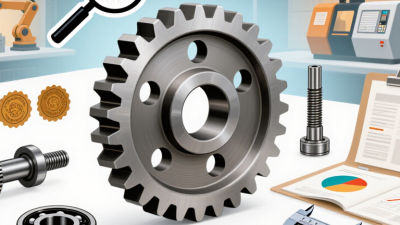
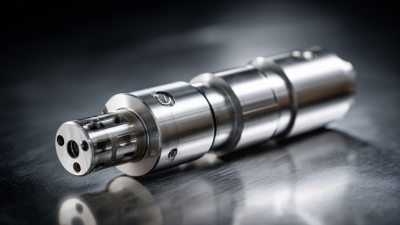
OEM precision parts are components made to an original equipment manufacturer’s drawings, materials, and performance requirements. They may include shafts, housings, brackets, or threaded inserts. Their defining feature is not appearance alone. It is repeatable control of dimensions, fit, and surface finish. A 2024 Grand View Research report valued the global CNC machine market at about $83.99 billion in 2023, reflecting the scale of equipment used to produce such components. Market size does not guarantee part quality, though.
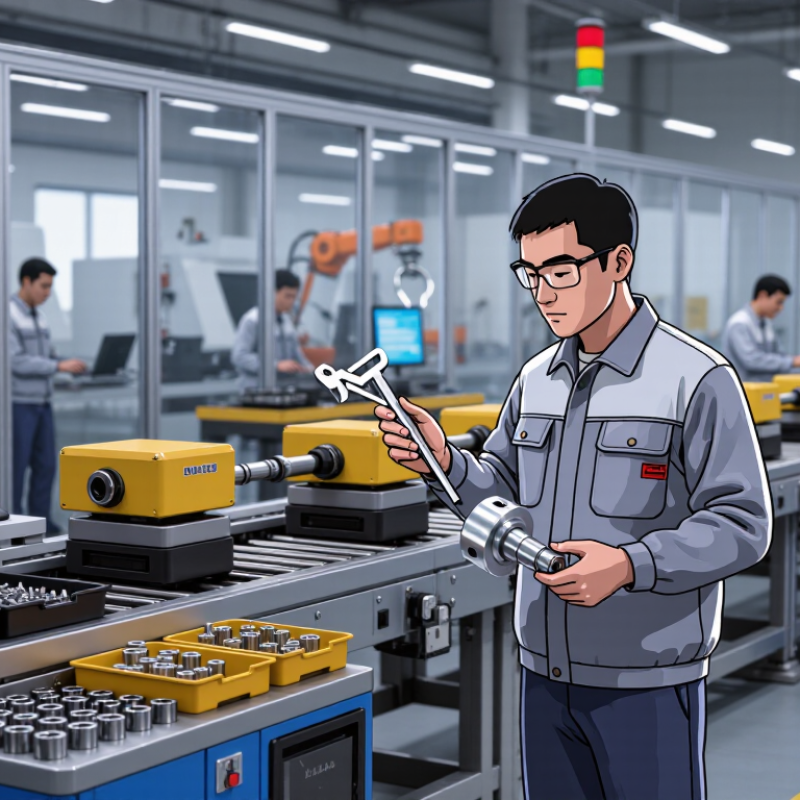
Production usually starts with a CAD model and a reviewed engineering drawing. A machinist selects stock such as aluminum, stainless steel, or engineering plastic, then turns, mills, or grinds it to shape. Some parts need heat treatment or coating before final inspection. Calipers can check basic dimensions; a coordinate measuring machine can map complex features against the drawing. Small differences matter. A bore that is slightly undersized may prevent an assembly from fitting. Reality is less tidy. Tool wear, material variation, and unclear tolerances can all affect results, so experienced teams review first-article measurements and adjust the process before repeat production. A drawing is never the whole story.
Why Choose OEM Precision Parts for Your Business?
General Dimensional Tolerances: ISO 2768-1, Class m
These tolerance values are symmetric limits (±) for linear dimensions without individually specified tolerances, as listed in ISO 2768-1:1989, class m. Tighter tolerances may require specific drawing requirements and suitable manufacturing and inspection processes. Actual capabilities vary by part, material, and process.
How OEM Precision Parts Support Product Performance
OEM precision parts support product performance by matching components to the conditions they actually face. A machined housing, for example, must maintain bearing alignment while absorbing vibration and heat. Controlled dimensions help reduce unwanted movement, uneven wear, and assembly rework. Good parts also make production more predictable. A technician should not need to force a shaft into place or add shims to correct a recurring gap. Small details matter.
Performance depends on more than tight tolerances. Material choice, surface finish, and inspection methods must fit the application. A seal seat may need a smooth finish, while a load-bearing pin may need hardness and fatigue resistance. Clear drawings and agreed inspection points help suppliers catch variation before parts reach assembly. Still, tighter is not always better. Extra precision can raise costs without improving function, and a design may overlook real operating conditions. Temperature changes, cleaning cycles, and routine handling can expose weaknesses that a bench test misses. Reviewing prototypes with assembly staff and tracking field wear gives teams useful evidence. The process is not perfect; measurements may miss how a component behaves after months of use. That is why performance should be checked in the finished product, not inferred from a specification alone.
Key Business Benefits of Choosing OEM Precision Parts
OEM precision parts can improve fit, repeatability, and production planning. When dimensions and materials match a validated drawing, components are more likely to align without hand-fitting. That matters. A shaft that seats correctly or a mounting hole placed within tolerance can prevent delays at the assembly bench.
Consistent production also makes quality checks more useful. Teams can compare inspection records across batches and spot drift before it affects a larger build. Small differences add up. Fewer adjustments may reduce scrap, rework, and time spent sorting parts, although results depend on the design and process controls. Clear specifications and agreed inspection points help both sides catch problems early.
There can be cost benefits beyond the unit price. Stable part dimensions may simplify assembly, while predictable lead times can make inventory easier to manage. However, OEM sourcing is not automatically the right choice for every part. A drawing can be incomplete, and a precise component built to unclear requirements may still perform poorly. This is easy to overlook. Reviewing critical tolerances, material requirements, and sample inspection results before full production helps expose gaps. A little extra review upfront can save a frustrating production stop later.
Industries and Applications That Use OEM Precision Parts
OEM precision parts serve industries where a small dimensional error can affect alignment, vibration, or product consistency. Automotive manufacturers use machined shafts, brackets, sensor housings, and tooling in assembly systems. The International Federation of Robotics reported 541,302 industrial robot installations worldwide in 2023, with automotive and electrical-electronics among the leading customer industries. That figure measures robot installations, not demand for machined parts, but it shows where precision components support automated production.
Semiconductor equipment is another major application. SEMI reported global semiconductor manufacturing equipment sales of $106.3 billion in 2023. Inside these systems, precisely made mounts, vacuum-compatible components, and wafer-handling parts help maintain repeatable positioning. Medical equipment makers also rely on custom housings, instrument components, and fluid-path fittings; their specifications may prioritize cleanability and material traceability as much as tight tolerances. Renewable-energy systems use precision parts in gearboxes, tracking mechanisms, and power-conversion equipment. The right specification depends on the job. A tighter tolerance is not automatically better if it adds cost without improving performance. Reported industry figures also rarely isolate OEM precision-part demand, so they should be read as context, not a direct market measure.
Factors to Consider When Selecting an OEM Parts Supplier
Selecting an OEM precision-parts supplier starts with the drawing, not the sales pitch.
Check whether its equipment can hold your tolerances across repeat production, not just one approved sample. Ask for material traceability, inspection records, first-article results, and a clear process for handling nonconforming parts. A machined component may look flawless yet drift after a tool change. Ask how that change is detected.
Quality systems and digital records matter, but neither guarantees good parts. ISO’s 2022 Survey reported 1,265,216 valid ISO 9001 certificates worldwide; certification is a useful screening point, not proof of a supplier’s performance. Deloitte’s 2024 manufacturing outlook found that 86% of surveyed executives expected smart-factory solutions to drive competitiveness over the next five years. For buyers, that makes practical questions worthwhile: Can the supplier share inspection data promptly? Can it link a batch to its material certificate? A polished dashboard is not enough.
Evaluate production capacity, lead-time history, engineering support, and contingency plans alongside unit price. Ask what happens when a key machine is down or demand rises sharply. Review a sample inspection report and discuss a real tolerance stack-up with the supplier’s engineer. A certificate can reassure too quickly. Even a strong audit may miss a weak handoff between machining and final inspection. Choose a partner willing to explain those gaps plainly, and to document how they will be corrected.