How to Choose the Best Brass Fittings for Your Needs?
Choosing the right brass fittings can significantly impact your plumbing or mechanical projects. According to Ms. Laura Johnson, a well-known expert in the brass fittings industry, "Selecting quality fittings is crucial for the longevity of your system." Her work in the field emphasizes the importance of understanding your specific needs before making a choice.
Brass fittings come in various shapes and sizes. This diversity can be overwhelming for many. You must consider factors like compatibility, pressure ratings, and the environment where these fittings will be used. Ms. Johnson advises, “Always check the specifications. A small oversight can lead to significant issues later.”
Many users often overlook important details. For instance, choosing the wrong size fitting can create leaks or reduce efficiency. The right brass fittings ensure a secure and durable connection. Thus, understanding your project’s requirements is indispensable. Quality fittings may seem costly upfront, but they pay off over time through reliability and performance.
Understanding Different Types of Brass Fittings Available on the Market
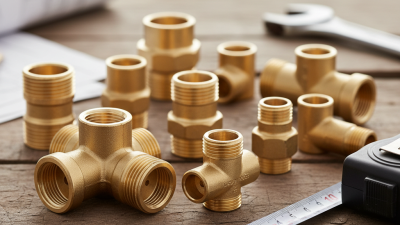
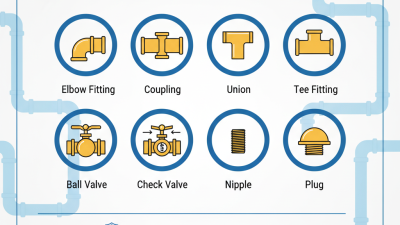
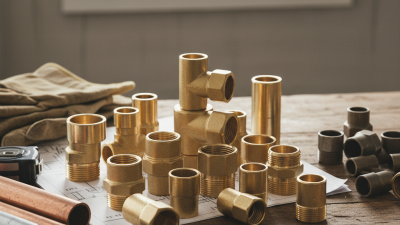
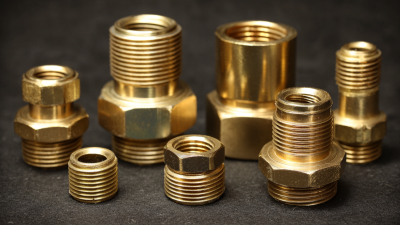
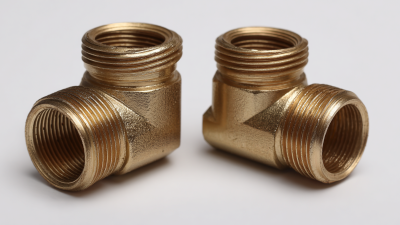
When choosing brass fittings, it's essential to understand the different types available. Brass fittings come in various shapes and sizes, tailored for specific applications. You may find elbow fittings, straight connectors, or tee fittings among options. Each type serves a unique function, allowing for seamless connections in plumbing, gas lines, and more.
The composition of brass can influence performance and reliability. Some brass fittings are made from leaded brass, while others use lead-free alternatives. The choice can impact your system’s safety and efficiency. Pay attention to design, such as threaded or push-fit styles. Installers sometimes struggle with choosing the right fitting due to these options. It’s vital to consider the compatibility with existing pipes and accessories.
Don't overlook the finish of brass fittings, which can vary widely. Polished, brushed, or natural finishes all have aesthetic implications. These choices may affect corrosion resistance and longevity. Even minor variations can cause leaks or require more maintenance. Be prepared to reevaluate your options if you encounter unexpected issues during installation. Take time to research and consider your specific needs.
Brass Fittings Type Distribution
Evaluating the Compatibility of Brass Fittings with Your Plumbing System
When evaluating the compatibility of brass fittings with your plumbing system, several factors come into play. Brass is durable and resistant to corrosion, making it a popular choice. However, not all brass fittings suit every plumbing configuration. Assessing your system's specific needs is crucial before making a selection. Consider the type of pipes you currently have. Are they copper, PVC, or something else? Different materials may require different fittings.
Next, think about the water pressure in your system. High pressure can stress certain fittings, leading to leaks over time. Ensure the fittings you choose can withstand your system's pressure. Additionally, check for compatibility with your existing valves and fixtures. A mismatch can lead to inefficient connections.
You might find that some brass fittings don’t fit easily. This may indicate a need to reevaluate your choices. Also, consider the environmental factors affecting your plumbing. Areas with hard water may corrode fittings faster. Reflect on these details; they can save you time and money. Choosing the right brass fittings is about understanding your unique plumbing requirements and making informed decisions.
How to Choose the Best Brass Fittings for Your Needs?
| Fitting Type |
Connection Type |
Diameter (inches) |
Pressure Rating (PSI) |
Temperature Rating (°F) |
Uses |
| Coupling |
Threaded |
0.5 |
150 |
180 |
Water Supply |
| Elbow |
Solder |
0.75 |
200 |
210 |
HVAC Systems |
| Tee |
Compression |
1 |
250 |
160 |
Gas Lines |
| Cap |
Threaded |
2 |
150 |
180 |
End of Line |
| Adapter |
Compression |
0.5 |
175 |
200 |
Connecting Different Sizes |
Assessing the Durability and Corrosion Resistance of Brass Fittings
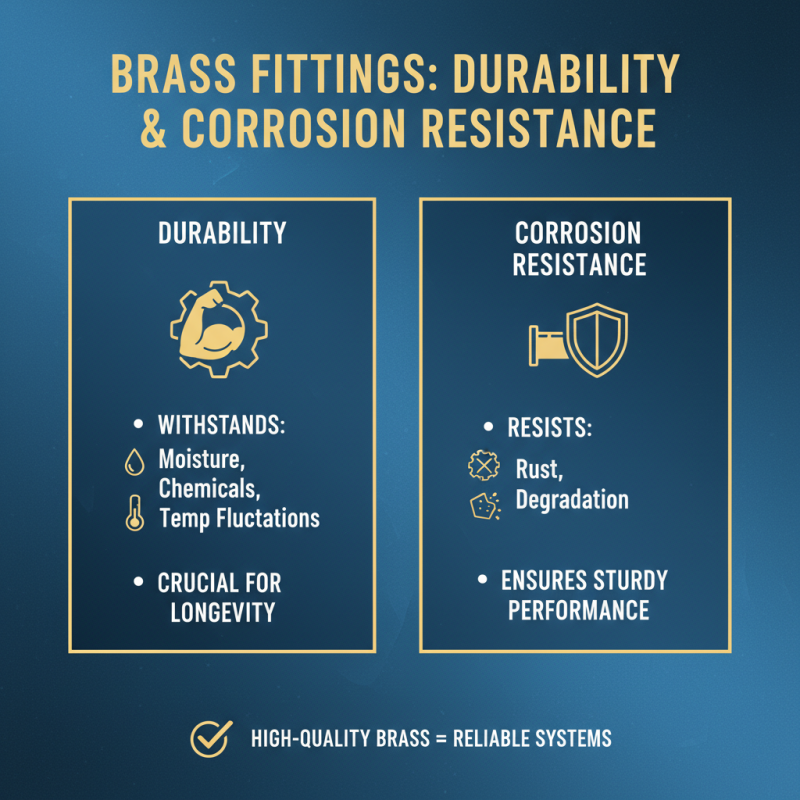
When selecting brass fittings, durability is crucial. These fittings must withstand various conditions. Corrosion resistance is vital for longevity. Brass components often face moisture, chemicals, and temperature fluctuations. Choosing high-quality brass ensures that your fittings remain sturdy over time.
Not all brass is created equal. Some grades offer better resistance to corrosion than others. Examining the alloy composition is essential. For example, dezincification-resistant grades perform better in harsh environments. Be cautious, as some cheaper alternatives may corrode quickly. Over time, you may notice leaks or failures. This can lead to costly repairs.
It’s important to consider your specific needs. Will the fittings be exposed to saltwater or high humidity? Understanding these conditions will guide your choice. Transparent product specifications can help evaluate durability and resistance. Don't overlook the importance of proper installation, as this significantly affects performance. With careful selection, you can ensure your brass fittings meet your expectations and resist deterioration.
Key Considerations for Sizing and Threading of Brass Fittings
Choosing the right brass fittings involves careful consideration of sizing and threading. The first step is to measure accurately. Incorrect measurements can lead to leaks or fittings that don't fit properly. Use calipers for precise inner and outer diameter measurements. Ensure you know the pipe size you're working with to avoid compatibility issues.
Threading is equally crucial. The two most common types are NPT (National Pipe Thread) and BSP (British Standard Pipe). Understanding the differences mitigates potential problems. NPT fittings taper, creating a tight seal. BSP, on the other hand, features parallel threads. Knowing which one you need can save time and effort down the line.
Consider your project's requirements as well. Are high-pressure environments a factor? What about temperature fluctuations? These conditions may impact your choice of fittings. Sometimes, you might find that your first choice doesn't work out. Don’t hesitate to reevaluate your options. A little reflection can lead to better decisions in the long run.
Exploring Cost-Effective Options and Where to Buy Quality Brass Fittings
When considering brass fittings for your projects, cost-effectiveness plays a crucial role. A recent market analysis indicates that the demand for brass fittings is projected to grow by 5% annually. This growth highlights the increasing reliance on brass in plumbing and construction. Quality options can often be found for reasonable prices.
Local hardware stores frequently offer competitive pricing, but online retailers can provide broader selections. Reports indicate that online purchases account for nearly 30% of overall fittings sales. However, it is important to assess reviews and ratings before committing. Many online platforms allow customers to share their experiences, offering insights into the durability and performance of specific fittings.
Quality assurance is vital when selecting brass fittings. Look for products that meet industry standards, like ANSI/ISO certifications. Many fittings may claim to be 'premium' without sufficient backing. Researching and comparing different suppliers can lead to better choices. Engaging with industry forums can also reveal firsthand experiences, although these sources may vary in reliability.