Top 10 Brass Fittings Buyers Need to Know?
Brass fittings are essential components in numerous industries, from plumbing to automotive. According to a recent report by MarketsandMarkets, the global brass fittings market is expected to grow at a CAGR of 5.3% between 2021 and 2026. This growth highlights the increasing demand for reliable and efficient plumbing systems, especially in emerging markets.
Expert John Smith, a leading authority in metal resources, states, "The choice of brass fittings can significantly impact the overall performance of plumbing systems." This sentiment underscores the importance of selecting the right fittings. Buyers need to navigate through various options, quality factors, and specific applications.
While many buyers have general knowledge, the nuances of brass fittings often go unnoticed. A lack of understanding can lead to costly mistakes. As industries evolve, staying informed about brass fittings’ specifications and standards is crucial. Thus, understanding the top ten brass fittings that buyers should know is not just helpful; it is necessary for optimizing performance and reliability in any project.
Understanding Different Types of Brass Fittings Available in the Market
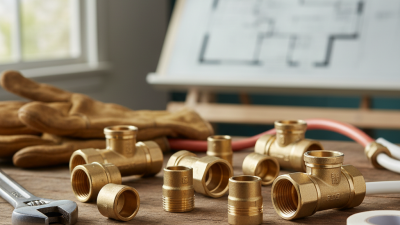
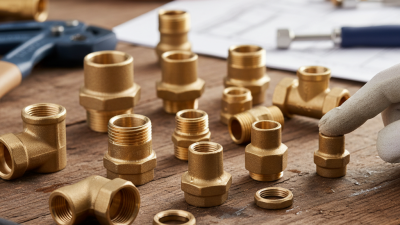
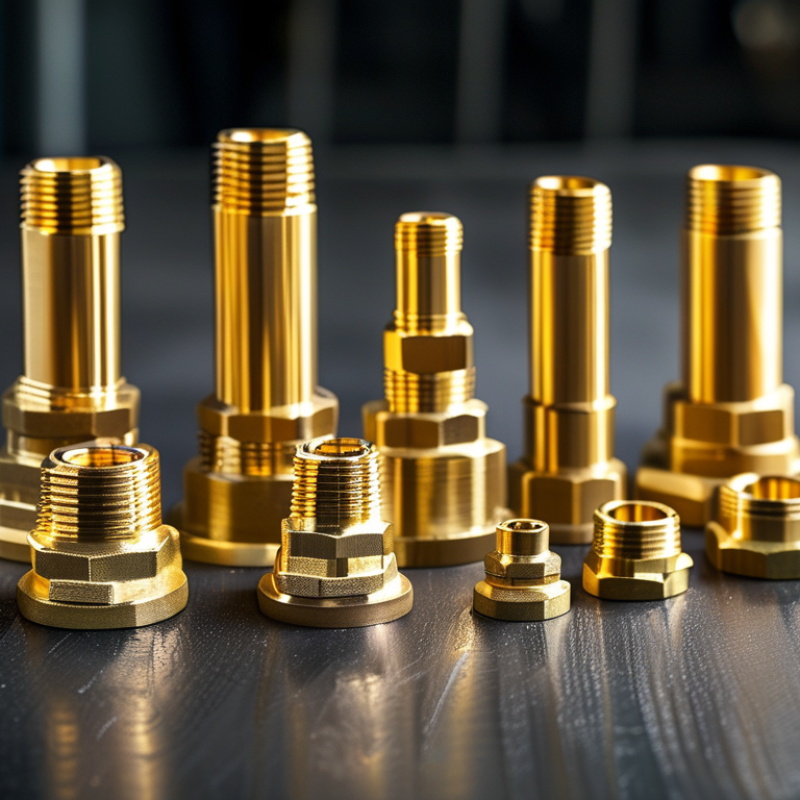
Understanding the different types of brass fittings available in the market is crucial for buyers. Brass fittings are essential in plumbing and various industrial applications. Key types include elbows, tees, and reducers. Each type serves a specific purpose.
Elbows allow for directional changes, while tees enable branch connections. Reducers help connect pipes of different sizes.
Consider the application before choosing fittings. Not every brass fitting suits every project. For instance, high-pressure systems require specific types of fittings. Using the wrong fitting can lead to leaks. Always check the pressure ratings to ensure compatibility.
Tips for selecting brass fittings include examining the finish and material quality. A polished finish indicates better resistance to corrosion. Avoid poorly manufactured fittings. They may fail under stress, causing unnecessary repairs. Investing in reliable fittings may prevent future issues. Remember, quality over quantity is essential here.
Key Factors to Consider When Selecting Brass Fittings for Your Project
When selecting brass fittings for your project, several key factors come into play. First, you need to consider the type of application. Different fittings serve various purposes. For example, the pressure requirements in plumbing differ from those in gas applications. Understanding these nuances helps in making the right choice.
Material quality is another crucial element. Not all brass is created equal. Some fittings may corrode or degrade over time, leading to leaks or failures. Look for industry standards that indicate quality assurance. A fitting that looks good today may not hold up under heavy use. Inspecting the alloy composition can also provide insights into its durability.
Compatibility with existing systems should not be overlooked. Ensure that the dimensions and thread types match your current fittings. A fitting that is too large or too small can complicate installation. This can result in additional costs for adjustments or replacements. Allow for these variables in your planning to avoid headaches later on.
Comparing Quality Standards and Certifications for Brass Fittings
When purchasing brass fittings, understanding quality standards and certifications is crucial. The International Organization for Standardization (ISO) sets significant benchmarks for manufacturing processes. Certification such as ISO 9001 can indicate consistent quality management. According to a 2022 market report, compliance with these standards can enhance product reliability.
Not all brass fittings meet the same standards. Some manufacturers may not adhere to industry regulations. A report by the American Society for Testing and Materials (ASTM) outlines various specifications. These specifications ensure the durability and safety of fittings. Check for certifications like ASTM B16 for copper alloy fittings. This certification assures low lead content, reducing potential health risks.
However, discrepancies can still exist within products claiming certification. Buyers often rely on manufacturers' reputations. A 2021 study noted that buyers frequently overlook the importance of third-party testing. Inadequate testing can reveal the true quality of brass fittings only after purchase. Always verify if there is transparency in the testing processes. Being informed can lead to better purchasing decisions, ultimately saving time and costs.
Top 10 Brass Fittings Buyers Need to Know
| Quality Standard |
Certification |
Material Composition |
Pressure Rating |
Temperature Range |
| ASTM B16 |
ISO 9001 |
Brass C36000 |
150 PSI |
-20°C to 120°C |
| ASTM B124 |
NSF 61 |
Brass C28000 |
200 PSI |
-10°C to 90°C |
| ASTM B453 |
WRAS |
Brass C37700 |
300 PSI |
0°C to 180°C |
| ASTM B606 |
UL Listed |
Brass C38500 |
250 PSI |
-40°C to 100°C |
| ASTM B21 |
FM Approval |
Brass C46400 |
350 PSI |
-10°C to 160°C |
Cost Analysis: Budgeting for Brass Fittings and Their Installation
When budgeting for brass fittings, consider both the material cost and installation expenses. Brass fittings come in various shapes and sizes, impacting their price. Heavy-duty fittings may cost more upfront but can provide better durability. It's important to assess the specific application to avoid overspending on unnecessary items.
In your budget, include installation costs, which can vary widely based on your area. Hiring a professional ensures proper fitting and reduces the chance of leaks. DIY installations can save money, but they carry risks. An incorrectly installed fitting can lead to costly repairs.
Tips: Always acquire multiple quotes from suppliers. This helps in understanding market rates. Don’t overlook the potential for hidden costs in installation. Keep a small reserve for unexpected expenses that may arise. Finally, invest in quality fittings; they can save you money in the long term, reducing maintenance needs.
Top Suppliers and Brands in the Brass Fittings Industry to Trust
In the brass fittings industry, selecting reliable suppliers is crucial for success. Experts note that the global brass fittings market is expected to grow significantly, fueled by increasing demand in plumbing and construction sectors. The market is projected to expand at a compound annual growth rate (CAGR) of 4.5% from 2023 to 2030, according to a recent industry report.
Choosing the right supplier involves considering factors like product quality, availability, and customer service. Many buyers prefer suppliers that offer certifications to ensure the fittings meet industry standards. It’s essential to examine the supplier’s history and their reputation in the industry.
Tip: Always request samples before making large purchases. This allows you to assess quality firsthand.
Maintaining a diverse supplier list can also mitigate risks. Relying solely on one or two suppliers may lead to disruptions. Research suggests that companies with multiple reliable sources can adapt quickly to
changing demands.
Tip: Regularly evaluate your supplier relationships to ensure they still meet your needs.
While many suppliers promise high-quality products, not all live up to their claims. Buyers should remain vigilant and conduct audits. This can prevent costly mistakes and ensure robust supply chains. In the end, well-informed decisions lay a solid foundation for any brass fitting venture.