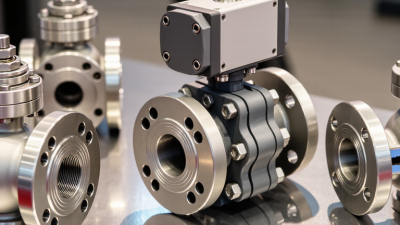
7 Best Ball Valve Manufacturers in 2026

Choosing a Ball Valve manufacturer is not just a matter of comparing prices or catalog sizes. The right choice depends on pressure, temperature, fluid characteristics, operating frequency, and maintenance access. A valve in a clean water line faces different demands from one handling abrasive slurry or corrosive chemicals. Small details matter.

Philip L. Skousen, author of The Valve Handbook, is a recognized valve-engineering reference. A paraphrase of his practical selection guidance is: “Match the valve to the service.” This is not presented as a verbatim quotation; the distinction matters when technical advice is attributed. For buyers, the principle means checking materials, pressure ratings, seat design, test documentation, and supplier support—not relying on a product photo or broad performance claim.

This 2026 guide compares seven Ball Valve manufacturers through practical criteria, including product range, manufacturing capability, quality documentation, and after-sales support. It is intended as a starting point, not a substitute for engineering review. No ranking fits every application. Even a reputable supplier may not offer the right configuration for a specific system. Verify current specifications with the manufacturer, and confirm that the selected valve suits the actual operating conditions before purchase.
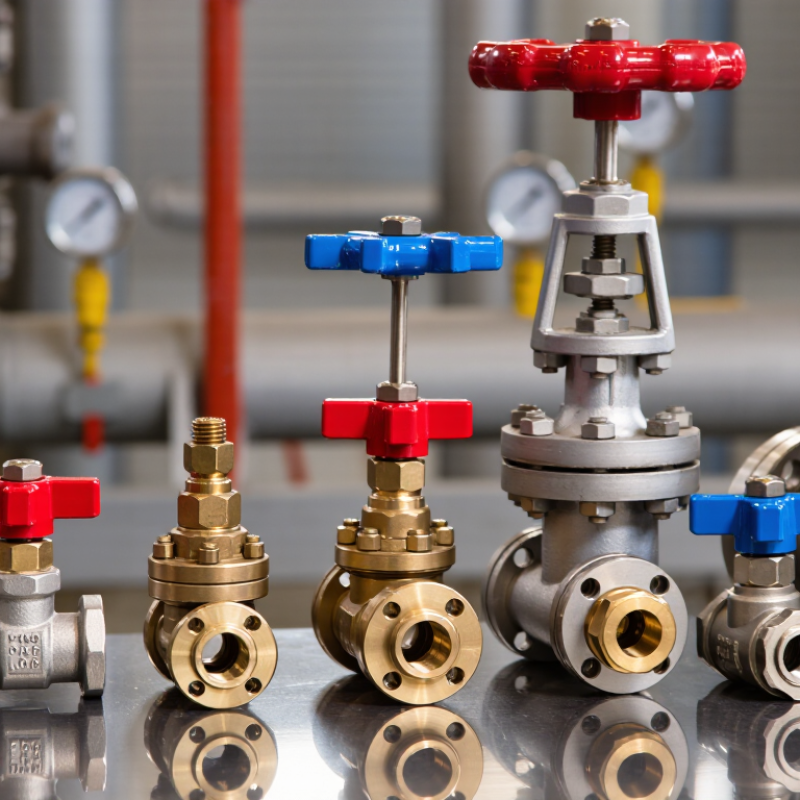
7 Best Ball Valve Manufacturers in 2026

How Ball Valves Work and Where They Are Used

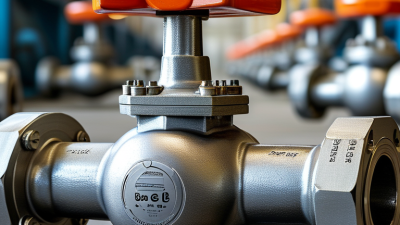
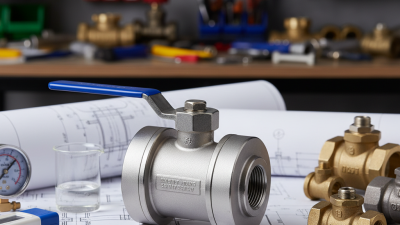
A ball valve uses a perforated sphere to start, stop, or redirect flow. When the handle turns a quarter-turn, the opening in the ball lines up with the pipe. Turn it again, and the solid side blocks the passage. The movement is quick. Inside, seats press against the ball to create a seal, while a stem transfers motion from the handle or actuator. That sounds simple. It isn’t always.

These valves are common in water lines, heating systems, compressed-air equipment, and many industrial process pipes. A plumber might use one beneath a sink because it closes quickly and is easy to identify. In a plant, a larger valve may isolate a section of pipe during maintenance. Full-port designs have an opening close to the pipe’s inside diameter, which can reduce flow restriction. Standard-port versions are often more compact. Actual performance depends on size, pressure, fluid, temperature, and seat material.

Ball valves are generally suited to on-off control, not precise throttling. Leaving one partly open can wear the seats or cause unstable flow, especially in demanding service. Check the valve’s pressure and temperature ratings against the system, and confirm that its materials suit the fluid. A stainless-steel body, for example, does not automatically make every internal component compatible. Selection can be less straightforward than a catalog chart suggests. Regular inspection also matters: a stiff handle or leakage around the stem may signal a problem, but not always the same one.

What Makes a Ball Valve Manufacturer Stand Out in 2026

In 2026, a strong ball valve manufacturer proves performance with useful data, not broad promises. Buyers should look for pressure and temperature ratings that match the intended service. Ask how the valve was tested, and whether test records can be linked to a specific production batch. A polished catalog proves little.

Material control matters just as much. Clear specifications for the body, seats, seals, and stem help prevent mismatches in demanding conditions. Reliable manufacturers can explain how they check dimensions, inspect sealing surfaces, and manage production changes. Requesting a sample inspection report can reveal more than a general quality statement. Small details count.

Support after delivery is another practical measure. Can the supplier answer installation questions, identify replacement parts, and provide realistic lead times? These answers matter when a valve must fit an existing line with limited downtime. Look for traceable documentation and direct, technically informed responses. No factory is flawless; honest discussion of limits and corrective actions is often more reassuring than claims of zero defects. Ask what happens when a test fails. A credible answer should be specific.

Seven Leading Ball Valve Manufacturers and Their Strengths

A comparison of seven leading ball valve manufacturers is most useful when it focuses on engineering strengths, not catalogue size alone. One may offer broad product coverage, while another specializes in high-pressure service. A third may stand out for compact valves that fit crowded equipment skids. These differences matter when pipe space, operating pressure, and maintenance access shape the specification.

Other suppliers may focus on corrosion-resistant materials, custom dimensions, automated valve assemblies, or consistent production for large orders. Ask for material records, pressure and temperature ratings, and test documentation relevant to the intended service. For automated assemblies, check actuator compatibility and available position feedback. Strong technical support can also help resolve sizing questions before installation. Not always. A familiar specification can still hide trade-offs, such as a heavier body or longer lead time. That distinction is easy to miss. Compare like-for-like configurations and confirm details directly with each manufacturer; product ranges and capabilities can change.

How to Compare Manufacturers by Quality, Standards, and Support

A useful comparison starts with the valve’s actual duty, not a polished product sheet. Check pressure and temperature limits, fluid compatibility, end connections, and cycle frequency. A valve handling abrasive slurry may need different seat and ball materials than one used on clean water. Small details matter. Ask how each manufacturer verifies dimensions, material grades, and assembly quality.

Standards should match the application. Request the specific certificates and test records behind claims of compliance, such as pressure-test procedures or quality-management certification. Where relevant, review testing for leakage, shell integrity, and emissions. A certificate alone is not proof of consistent production. Ask for traceability documents and sample inspection reports, then confirm that the supplied model matches the tested design. This takes time, and paperwork can still leave gaps.

Support matters after delivery. Compare technical response times, spare-part availability, warranty terms, and help with installation or troubleshooting. Ask what happens when a valve fails to seal during commissioning. A clear answer is more useful than a broad promise. If possible, speak with a reference customer using similar fluids and operating conditions. No scorecard captures every risk; weight the criteria according to the cost of downtime and the consequences of a poor fit.

How to Compare Ball Valve Manufacturers

Suggested weighting for a buyer’s evaluation framework

Use these proposed weights to structure a comparison, not as measured market data or manufacturer ratings. Verify applicable requirements for the valve’s service, such as API 6D or ISO 17292, and assess test records, material traceability, documentation, and support for your project.

How to Choose a Manufacturer for Your Application

A ball valve manufacturer should match your operating conditions, not just your requested size. Start with the fluid, pressure, temperature, flow direction, and expected cycling frequency. Include details such as abrasive particles or outdoor exposure; they can change material and seat requirements. A valve used for clean water may not suit a hot, corrosive process. Ask for pressure ratings, material specifications, and documented test procedures. Ask for proof. Details matter.

Check how the manufacturer controls production, inspection, and traceability. Request sample inspection records and pressure-test reports, then confirm they cover the valve configuration you plan to buy. For demanding service, discuss seat leakage limits, maintenance access, and replacement-part availability before comparing prices. A polished catalog cannot show how consistently a factory handles real orders. Speak with technical staff and notice whether they ask precise questions about your application. Even capable suppliers can misunderstand a specification, especially when requirements are vague. Put critical details in writing, and review the quotation against your operating conditions. No checklist is perfect.

7 Best Ball Valve Manufacturers in 2026 - How to Choose a Manufacturer for Your Application

An application-focused comparison of seven common manufacturer capability profiles. These are generic profiles, not named or ranked companies; actual materials, ratings, certifications, and available designs vary by product and must be confirmed with the manufacturer.

Capability profile Typical applications Common construction options Standards to check Key selection checks
Pipeline and transmission Oil, gas, and other pipeline services Commonly full-bore designs; forged or cast steel options; soft or metal seats depending on service API 6D; verify applicable design, testing, and end-connection requirements Line pressure, bore, pipeline pigging needs, leakage class, fire-safe requirements, and emissions requirements
General process and industrial Chemical processing, utilities, and plant piping Flanged, threaded, or welded metal ball valves; stainless steel and carbon steel are common material options API 608 or ISO 17292, as applicable; check the specified flange and pressure-rating standards Process fluid compatibility, temperature and pressure limits, seat material, and valve operating torque
High-pressure service Hydraulic systems, gas service, and high-pressure process lines Compact or heavy-duty metal designs; connection styles and body materials depend on pressure and service conditions Applicable valve design and pressure-rating standards; request pressure and shell-test documentation Maximum working pressure at operating temperature, pressure cycling, connection rating, and gas-service suitability
Cryogenic service Liquefied gases and low-temperature process systems Cryogenic designs may use extended bonnets to keep the stem packing away from the cold zone; materials are selected for low-temperature toughness Applicable low-temperature material and valve testing requirements; confirm the project specification Minimum design temperature, bonnet arrangement, thermal cycling, seat performance, and test procedure
Severe-service and metal-seated Abrasive, high-temperature, or demanding process duties Metal seats and hardened or coated trim may be offered for specific duties; performance depends on design and process conditions Applicable valve design and leakage-test standards; request service-specific test evidence Particle size, erosion and corrosion risk, allowable leakage, temperature, and required cycle life
Sanitary and hygienic Food, beverage, pharmaceutical, and other hygienic process lines Stainless-steel wetted parts and cleanable connection options; hygienic suitability depends on surface finish and internal geometry Applicable hygienic design, material, and cleaning requirements specified for the facility Clean-in-place needs, drainability, dead spaces, surface finish, elastomer compatibility, and documentation
Instrumentation and compact-bore Sampling, instrument isolation, and small-bore process connections Small-port or reduced-bore designs; threaded, tube, or other compact connection options may be available Applicable pressure, connection, and material standards for the installation Connection compatibility, working pressure, media compatibility, leak tightness, and required flow capacity

For every profile, confirm the valve’s pressure–temperature limits, materials of construction, testing requirements, end connections, documentation, and compatibility with the actual fluid and operating conditions. API 607 is a fire-test standard for quarter-turn valves; ISO 5211 covers actuator attachment interfaces. Neither standard alone establishes suitability for every application.