How to Choose PVC Pipe Fittings in 2026?
Choosing Pvc Pipe Fittings in 2026 starts with understanding the system, not just matching pipe diameter. A fitting may look right on a workbench yet fail to suit the fluid, pressure, or operating temperature. Check the pipe’s outside diameter, wall thickness, and schedule against the fitting manufacturer’s specifications. Confirm that both components use compatible material and connection types, such as socket, threaded, or specialty adapters. Small details matter.
Before buying, identify the application: irrigation, drainage, pool circulation, or another approved use. Pressure requirements differ, and ratings can change with temperature and product design. Read the current technical data sheet rather than relying on a general online chart. Also verify relevant standards and local project requirements with a qualified supplier or professional. That extra check can prevent leaks behind a wall or beneath a garden bed. I have seen how easy it is to focus on price and overlook access for future repairs. It is worth pausing.
Installation deserves equal care. Follow the specified primer and cement instructions where applicable, prepare clean, square pipe ends, and allow the stated cure time before testing. Do not force mismatched threads or assume every PVC fitting is suitable for every fluid or environment. When specifications are unclear, ask the manufacturer or a licensed installer to confirm compatibility. This guide will compare practical selection factors, common fitting types, and inspection points, while recognizing that no single choice fits every system. The best decision is the one supported by documented ratings and the conditions on site.
Understand PVC Pipe Fittings and Their Common Types
How to Choose PVC Pipe Fittings in 2026?
Understand PVC Pipe Fittings and Their Common Types
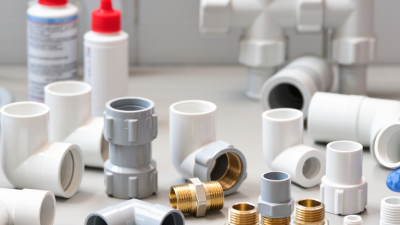
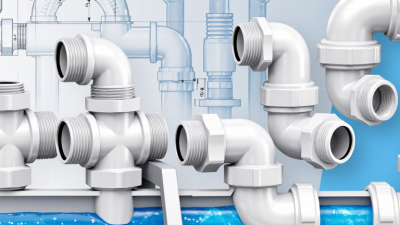
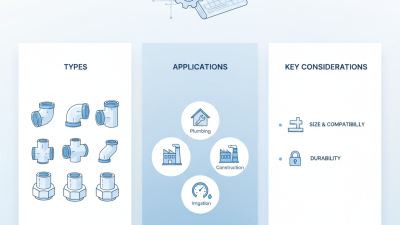
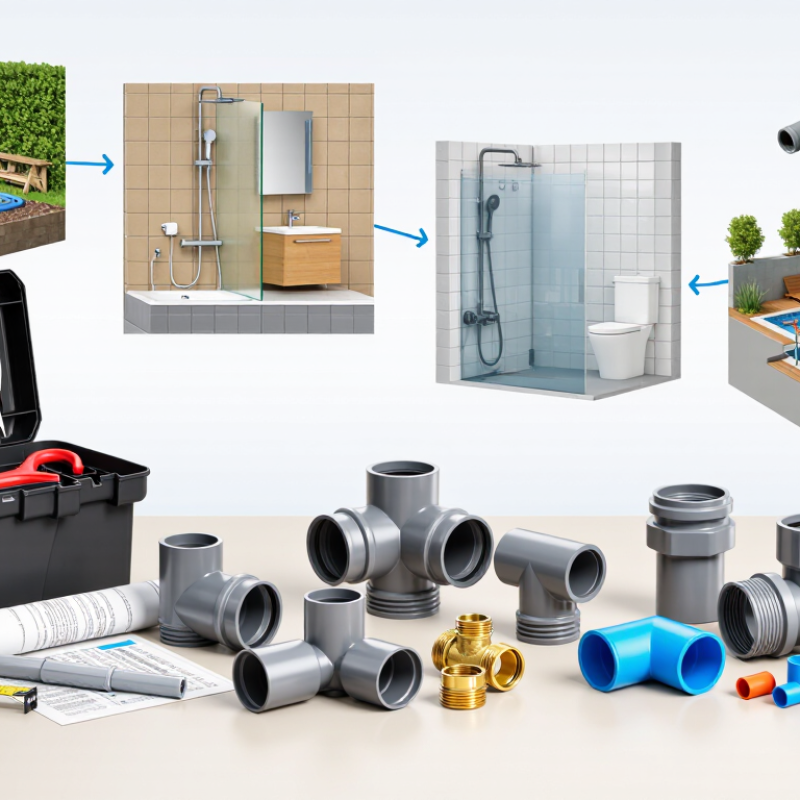
PVC fittings join, redirect, divide, or adapt pipe runs. Common options include couplings for straight connections, elbows for turns, and tees for branch lines. Reducers connect different pipe diameters, while adapters transition between connection styles. Unions allow a section to be disconnected for maintenance. Small details matter: a 90-degree elbow takes up space behind a cabinet, while a tee can create a useful branch near a valve.
Grand View Research’s PVC pipes market report estimated the global market at about $63 billion in 2023, with continued growth projected through 2030. That broad market figure covers pipes, not fittings alone, but it reflects steady demand across construction and infrastructure. For selection, check the fitting’s pressure rating, size, and compatibility with the pipe. ASTM D2466 covers PVC Schedule 40 fittings; Schedule 80 fittings are covered by ASTM D2467. A fitting can look right and still be wrong for the system.
Tips: Measure the pipe’s outside diameter and confirm whether the connection is socket, threaded, or another type. Match the fitting’s pressure rating to the system, not just the pipe size. Dry-fit parts before joining them. It’s easy to overlook clearance around valves.
Match Fitting Material, Shape, and Size to the Pipe System
PVC fitting selection starts with material compatibility.
For a pressure system, match PVC fittings to PVC pipe and check the fluid, temperature, and pressure limits in the manufacturer’s technical data. The Plastics Pipe Institute’s Handbook of PVC Pipe and ASTM standards are useful technical references. ASTM D1785 gives a clear sizing example: 1-inch Schedule 40 PVC pipe has a 1.315-inch outside diameter and a 0.133-inch wall. Nominal size is not the measured diameter.
That mismatch matters.
Choose the shape for the route and the job. Elbows change direction, tees create branches, and couplings join straight runs. A tight turn may save space, but it can add flow resistance. Check the fitting standard too: ASTM D2466 covers Schedule 40 PVC pressure fittings, while ASTM D2467 covers Schedule 80. Don’t mix parts based on appearance alone. Socket depth and pressure class matter.
Before ordering, compare nominal size, schedule, joining method, and system rating across pipe and fittings. A 1-inch label is only a starting point. For example, dry-fit a coupling and confirm the pipe seats fully without force. I would still verify the exact dimensions against the relevant tables; field labels can be easy to misread.
Small detail.
Check support spacing and room for maintenance, too. A fitting that fits today may make a valve awkward to reach later.
Check Compatibility, Standards, and Installation Requirements
How to Choose PVC Pipe Fittings in 2026?
Check Compatibility, Standards, and Installation Requirements
A fitting can look right and still leak. Match its nominal size, schedule, pressure class, and connection type to the pipe—not just the measured outside diameter. Schedule 40 and Schedule 80 sockets are not interchangeable, and plumbing, drainage, and irrigation systems may use different dimensional series. Check the applicable ASTM specification, such as ASTM D2466 for Schedule 40 fittings or D2467 for Schedule 80. For drinking-water use, verify the product’s current NSF/ANSI/CAN 61 and NSF/ANSI 14 certifications. Then confirm local project requirements; standards and approvals can vary.
Temperature matters, too. PVC pressure ratings decline as operating temperature rises, so use the fitting maker’s published derating data rather than the room-temperature rating. Uni-Bell’s 2015 PVC Pipe Longevity Report estimates at least 100 years of service for properly designed PVC pressure-pipe systems. That finding is not a guarantee for every fitting, joint, or installation. I would still check the weakest component in the assembly.
Tips: Dry-fit components first, mark insertion depth, and use cement approved for the pipe and fitting material. Follow its stated application and cure times, especially in cold or humid conditions. Don’t force a misaligned joint. A small fit problem can become a buried leak.
Compare Durability, Cost, and Maintenance Needs for 2026
Choosing PVC pipe fittings in 2026 starts with the system, not the shelf price. Confirm the pipe diameter, pressure rating, fluid, and operating temperature before buying. A fitting that looks right can still create leaks if it does not match the pipe or service conditions. Small details matter. For outdoor runs, sunlight and temperature swings can affect long-term performance; use suitable protection where needed. Solvent cement joints also depend on clean, dry surfaces and careful assembly. Rushing this step is an easy way to turn a low-cost fitting into a costly repair.
Compare total cost, not just purchase price. Basic fittings may suit accessible, low-stress lines, while demanding installations may justify more careful material selection and installation. Check product specifications rather than assuming every PVC fitting handles the same pressure or chemical exposure. Not always. Maintenance needs depend on access, water quality, support, and movement in the piping. Look for damp joints, discoloration, sagging, or repeated pressure changes during routine inspections. Keep spare fittings for critical repairs, but avoid replacing parts without identifying the cause of failure. It is tempting to blame the fitting; poor alignment or unsupported pipe may be the real issue. Regular checks take time, yet they can prevent a small drip from damaging nearby surfaces.