Top 10 Brass Fittings You Need for Your Next Project?
In the world of plumbing and construction, the right components can make a significant difference. Brass fittings are one such essential element. Renowned expert in plumbing technology, John Smith, once said, “Quality brass fittings ensure durability and functionality in any project.”
Understanding the variety of brass fittings available is crucial. These items come in different sizes, shapes, and functionalities. Choosing poorly can lead to leaks and costly repairs. The nuances of selecting fittings can often be overwhelming. Yet, it's vital to prioritize quality and dependability.
As you embark on your next project, consider how the right brass fittings can elevate your work. We will explore the top ten fittings that are indispensable for various applications. Each fitting has its purpose, and understanding this can help you avoid common pitfalls. Let’s delve into the specific details that matter in your selection process.
Essential Considerations When Choosing Brass Fittings for Projects
When selecting brass fittings for your project, consider durability and corrosion resistance. According to industry reports, brass fittings have a lifespan of 30 years or more when used properly. This longevity makes them ideal for plumbing and HVAC systems. The alloy composition plays a crucial role. High-quality brass typically contains around 60% copper, contributing to its strength and resistance to rust.
Size and compatibility are also essential. Ensure the fittings match the pipes you’re using. Incompatibility can lead to leaks or failures. A study by the Plumbing Manufacturers International found that nearly 15% of plumbing failures result from improper fittings. Always consult technical specifications before making a purchase.
Tips: Pay attention to the thread types. Male and female threads have different applications. Also, choose fittings that comply with industry standards. This ensures performance and safety. Lastly, consider environmental factors where the fittings will be installed. Exposure to moisture can accelerate wear. Investing in quality fittings now can prevent costly repairs later on.
Overview of Different Types of Brass Fittings Available on the Market
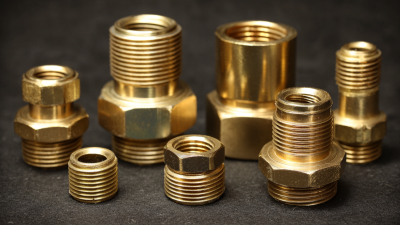
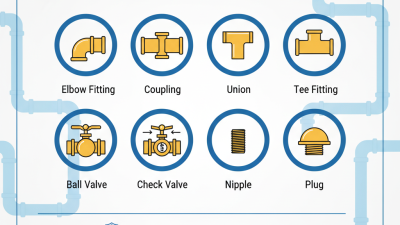
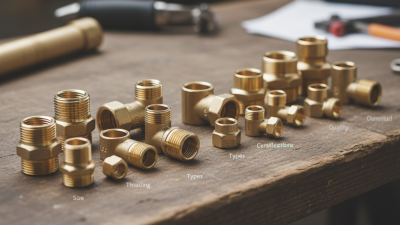
Brass fittings are essential components for various plumbing and construction projects. They come in different types, each serve unique functions. Common types include elbows, tees, couplings, and valves. These fittings are known for their durability and resistance to corrosion.
When selecting brass fittings, consider the fitting's specific use. For instance, elbows are perfect for changing pipe direction, while tees allow for branching out. Valves control the flow of liquids or gases, making them versatile and necessary for many setups. Always ensure the size matches your pipes to avoid leaks.
Tips: Always check the pressure ratings of your fittings. This ensures they can withstand the demands of your project. Consider using a combination of fittings for complex installations. Experimenting helps discover the best setup for your needs. Reflect on your experience and adjust future project plans accordingly. Doing so builds confidence and expertise.
Top 10 Must-Have Brass Fittings for Plumbing and HVAC Applications
When planning for plumbing and HVAC projects, selecting the right brass fittings is crucial. Brass fittings offer durability and resistance to corrosion, making them ideal for various applications. Among the must-have fittings, the male and female adapters take center stage. These fittings allow you to connect pipes of different diameters, ensuring a secure and tight connection.
Another essential fitting is the elbow fitting. It facilitates directional changes in piping systems, making it easier to navigate tight spaces. They come in different angles, allowing you flexibility in design. Tees and crosses are also important, as they help create branch connections in plumbing systems, enabling efficient flow. A good mix of these fittings can streamline your project.
Don’t overlook valves, either. Ball valves and gate valves play a vital role in controlling fluid flow. They must be chosen based on pressure and application type. Selecting the right fittings can improve not just efficiency but also reliability in your project. However, it’s essential to double-check compatibility and installation instructions. Even minor errors can lead to costly leaks or failures. Reflecting on these details can save time and resources down the line.
Durability and Corrosion Resistance of Brass Fittings Explained
Brass fittings are highly valued for their durability and corrosion resistance. They are commonly used in plumbing, HVAC systems, and industrial applications. Brass is primarily an alloy of copper and zinc, offering excellent strength and resistance to tarnishing. According to a 2022 industry report by the American Society of Plumbing Engineers, brass fittings can last over 50 years with proper maintenance.
Corrosion resistance is a crucial factor. Brass fittings can endure harsh environments, making them suitable for both indoor and outdoor applications. They resist rust and oxidation better than many other metals. Furthermore, they handle high pressures and extreme temperatures effectively. However, if directly exposed to chlorides or salts, the corrosion resistance may weaken. This highlights the importance of using the right type of brass for specific conditions.
Tip: Always check the environment in which the fittings will be used. Select fittings specifically rated for that setting. Ensure to inspect regularly for wear. Pay attention to any signs of corrosion, as early detection can prevent larger failures. Using thread sealants that complement brass can also enhance longevity. This proactive approach helps ensure durability and performance.
Installation Tips for Optimal Performance of Brass Fittings in Your Project
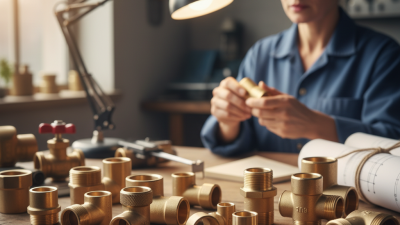
When working with brass fittings, installation is crucial for peak performance. Ensure that the surfaces are clean before starting. Any residue can result in leaks or poor sealing. A well-prepared surface will enhance the connection and longevity of the fittings.
Choosing the right tools is essential. Use a wrench that fits snugly around the nut or fitting. Applying excessive force can strip the threads or damage the brass. It's better to tighten gradually, checking for leaks as you go along.
Lubricating the threads can also assist in achieving a tight seal. A small amount of pipe joint compound can help. But, be cautious; using too much can obstruct the fitting's performance. Observing these details can elevate your project's success.